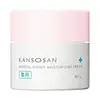
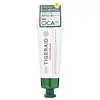
This moisturizer is formulated around Dipotassium Glycyrrhizate to calm irritation and reduce redness.
This calming moisturizer is formulated around Dipotassium Glycyrrhizate and Allantoin to calm redness and strengthen the skin barrier.

What's inside
What's inside
 Key Ingredients
Benefits
Concerns
Ingredients Side-by-side
Sodium Heparin
Skin ConditioningDipotassium Glycyrrhizate
Humectant

Water
Skin ConditioningGlycerin
Humectant


Methyl/Phenyl Polysilsesquioxane

Dimethicone/Vinyl Dimethicone Crosspolymer
Skin Conditioning
Cyclopentasiloxane
Emollient
Butylene Glycol
Humectant
Methicone
Emollient
PEG-8 Dimethicone
Emulsifying
Cetyl Ethylhexanoate
EmollientPentylene Glycol
Skin Conditioning
Hydrogenated Castor Oil Isostearate
Skin Conditioning


Magnesium Sulfate
Α-Olefin Oligomer
Sodium Citrate
BufferingEthylhexylglycerin
Skin ConditioningSodium Metabisulfite
Antioxidant

Glucosyl Hesperidin
HumectantCitric Acid
Buffering

Pyridoxine Dicaprylate
Skin ConditioningSodium Tocopheryl Phosphate
Antioxidant
Petrolatum
Emollient

Squalane
Emollient
Arginine
Masking
Hydrogenated Lecithin
Emulsifying
Phytosterols
Skin Conditioning
N-Stearoyl-Dihydrosphingosine
Skin ConditioningCentella Asiatica Extract
Cleansing
Octyldodeceth-16
EmulsifyingSodium Hyaluronate
Humectant
Sodium Heparin, Dipotassium Glycyrrhizate, Water, Glycerin, Methyl/Phenyl Polysilsesquioxane, Dimethicone/Vinyl Dimethicone Crosspolymer, Cyclopentasiloxane, Butylene Glycol, Methicone, PEG-8 Dimethicone, Cetyl Ethylhexanoate, Pentylene Glycol, Hydrogenated Castor Oil Isostearate, Magnesium Sulfate, Α-Olefin Oligomer, Sodium Citrate, Ethylhexylglycerin, Sodium Metabisulfite, Glucosyl Hesperidin, Citric Acid, Pyridoxine Dicaprylate, Sodium Tocopheryl Phosphate, Petrolatum, Squalane, Arginine, Hydrogenated Lecithin, Phytosterols, N-Stearoyl-Dihydrosphingosine, Centella Asiatica Extract, Octyldodeceth-16, Sodium Hyaluronate
Dipotassium Glycyrrhizate
Humectant
Allantoin
Skin Conditioning
Water
Skin ConditioningPropanediol
Solvent
Glycerin
Humectant
Triethylhexanoin
MaskingΑ-Olefin Oligomer
Squalane
Emollient
Hydrogenated Rapeseed Alcohol
Emollient
Butyrospermum Parkii Butter
Skin Conditioning

Behenyl Alcohol
Emollient
Pentylene Glycol
Skin Conditioning
Cetyl Palmitate
Emollient
Glyceryl Stearate Se
Emulsifying
Methicone
Emollient
Stearic Acid
Cleansing
Polyglyceryl-10 Stearate
Skin Conditioning
Phenoxyethanol
Preservative
Citric Acid
Buffering
Lavandula Angustifolia Oil
Masking


Hydrolyzed Rice Ferment Lees
Skin ConditioningCaramel
Cosmetic ColorantXanthan Gum
Emulsifying4-Hydroxybenzoic Acid
Preservative
Potassium Hydroxide
BufferingSodium Metabisulfite
Antioxidant
Sodium PCA
Humectant
Hydrolyzed Hyaluronic Acid
Humectant
Centella Asiatica Extract
Cleansing
Houttuynia Cordata Extract
Skin Conditioning
Petrolatum
Emollient
Cholesterol
Emollient
Artemisia Vulgaris Extract
Skin Conditioning
Proline
Skin Conditioning
Serine
Masking
Methionine
Skin ConditioningPoly(2-Methacryloyloxyethyl Phosphorylcholine-Co-N-Butyl Methacrylate)
Butylene Glycol
Humectant
Hydrolyzed Collagen
Emollient
Chlorophyllin-Copper Complex
Antioxidant
Panthenol
Skin Conditioning
Dipotassium Glycyrrhizate, Allantoin, Water, Propanediol, Glycerin, Triethylhexanoin, Α-Olefin Oligomer, Squalane, Hydrogenated Rapeseed Alcohol, Butyrospermum Parkii Butter, Behenyl Alcohol, Pentylene Glycol, Cetyl Palmitate, Glyceryl Stearate Se, Methicone, Stearic Acid, Polyglyceryl-10 Stearate, Phenoxyethanol, Citric Acid, Lavandula Angustifolia Oil, Hydrolyzed Rice Ferment Lees, Caramel, Xanthan Gum, 4-Hydroxybenzoic Acid, Potassium Hydroxide, Sodium Metabisulfite, Sodium PCA, Hydrolyzed Hyaluronic Acid, Centella Asiatica Extract, Houttuynia Cordata Extract, Petrolatum, Cholesterol, Artemisia Vulgaris Extract, Proline, Serine, Methionine, Poly(2-Methacryloyloxyethyl Phosphorylcholine-Co-N-Butyl Methacrylate), Butylene Glycol, Hydrolyzed Collagen, Chlorophyllin-Copper Complex, Panthenol
Reviews
Ingredients Explained
These ingredients are found in both products.
Ingredients higher up in an ingredient list are typically present in a larger amount.
Butylene Glycol (or BG) is used within cosmetic products for a few different reasons:
Overall, Butylene Glycol is a safe and well-rounded ingredient that works well with other ingredients.
Though this ingredient works well with most skin types, some people with sensitive skin may experience a reaction such as allergic rashes, closed comedones, or itchiness.
Learn more about Butylene GlycolCentella Asiatica Extract (Centella) is one of the most researched botanical extracts in skincare with decades of studies backing its effects on inflammation, collagen, and the skin barrier.
That research keeps pointing back to the same four triterpenoid saponins: Asiaticoside, Madecassoside, Asiatic Acid, and Madecassic Acid.
These compounds allow centella to dial back inflammation, encourage the skin to build and hold onto collagen, support the barrier and hydration, and bring solid antioxidant activity to protect against signs of aging.
Centella also carries a nice supporting cast of Vitamin A, vitamin C, several B vitamins, and amino acids. Put it all together and you get an ingredient that soothes, hydrates, and protects, all at once.
Most of centella's magic comes from the four big compounds (Asiaticoside, Madecassoside, Asiatic Acid, and Madecassic Acid). These are the actives doing the heavy lifting in almost every centella study.
Here is the short version of what they do in the skin:
So it is not just soothing for the sake of soothing. Centella calms the skin AND helps it rebuild.
Just FYI, not all centella on an ingredient list is the same. What you are getting actually depends on the extract:
Fun fact on the ratios: the leaves tend to be richest in Madecassoside and Asiaticoside, and lower in the two acids. The exact amounts shift with where the plant is grown and how it is processed. This means purity really does vary brand to brand.
Centella is one of the most easygoing actives out there.
It layers well with basically everything: niacinamide, hyaluronic acid, peptides, and vitamin C, and also pairs nicely with stronger actives like retinoids and exfoliating acids where it can help take the edge off irritation.
On the safety side, centella and its triterpenes are classified as weak sensitizers, meaning allergic reactions are possible but uncommon.
Patch tests at 1% and 5% came back negative in test panels, and creams at typical use levels did not cause allergic reactions across large groups of people.
But as with any new active, a patch test is still a smart move for very reactive skin.
Centella is widely used because it is effective at low percentages. For context, human safety testing found no meaningful irritation from creams containing centella extract at everyday use levels (the tested amounts were well under 1%).
The irritancy threshold in animal testing was also above 30% (so real-world formulas sit far below anything concerning).
In collagen lab studies, higher concentrations drove more collagen synthesis, so serums built around centella tend to feature it more prominently.
Bottom line: you will find centella working nicely anywhere from a fraction of a percent up to hero-ingredient levels depending on whether it is a supporting soother or the main event.
Fun fact: Centella has been used as a medicine and in food for many centuries. As a medicine, it is used to treat burns, scratches, and wounds.
Learn more about Centella Asiatica ExtractCitric Acid is an alpha hydroxy acid (AHA) naturally found in citrus fruits like oranges, lemons, and limes.
Like other AHAs, citric acid can exfoliate skin by breaking down the bonds that hold dead skin cells together. This helps reveal smoother and brighter skin underneath.
However, this exfoliating effect only happens at high concentrations (20%) which can be hard to find in cosmetic products.
Due to this, citric acid is usually included in small amounts as a pH adjuster. This helps keep products slightly more acidic and compatible with skin's natural pH.
In skincare formulas, citric acid can:
While it can provide some skin benefits, research shows lactic acid and glycolic acid are generally more effective and less irritating exfoliants.
Most citric acid used in skincare today is made by fermenting sugars (usually from molasses). This synthetic version is identical to the natural citrus form but easier to stabilize and use in formulations.
Rosacea skin has a lower threshold for acids generally, with 62.5% of rosacea subjects in one study reacting to lactic acid in a sting test. This is why we mark citric acid as a potential rosacea trigger.
However, this ingredient shows up as a pH adjuster or chelator at roughly 0.1-1% in many products. These low levels are unlikely to be an issue for rosacea skin and becomes a potential trigger at exfoliating concentrations (20%). Because everybody's skin is unique, we recommend a patch test if you are unsure.
Learn more about Citric AcidDipotassium Glycyrrhizate comes from licorice root.
Extracts of licorice have demonstrated to have antibacterial, anti‐inflammatory, antiviral, antioxidant properties.
One component, glabridin, has extra potent antioxidant and soothing properties. It has also been found to block pigmentation from UVB rays in guinea pigs.
Licorice Root also contains a flavonoid. Flavonoids are a natural substance from in plants. Flavonoids also have antioxidant properties.
Another component, glycyrrhizin, has been found to have anti-inflammatory and antimicrobial benefits. This may make licorice root extract effective at treating acne. However, more research is needed to support this.
Liquiritin is one of the flavone compounds found in licorice. It has been found to help lighten skin by preventing tyrosinase from reacting with tyrosine. When the two react, protein is converted to melanin. Melanin is the substance in your body that gives your features pigmentation.
Licorice root is native to Southern Europe and Asia. It has been used in traditional Chinese medicine to help with respiratory issues.
Learn more about Dipotassium GlycyrrhizateGlycerin (or glycerol) is a compound naturally found in your skin. It's a powerhouse humectant that pulls water into the stratum corneum.
Topically, glycerin does several things at once:
Your skin makes glycerin on its own (mostly from sebaceous oil breakdown) and shuttles it to your outermost layer of skin, or your epidermis, via aquaporin-3.
Aquaporin-3 is a transporter that is essential for normal skin hydration, elasticity, and repair. Interestingly, mice lacking in AQP3 have dry and less elastic skin that can be fully corrected with glycerin.
This ingredient is non-irritating, plays well with almost every ingredient, and works across all skin types. Typical use is anywhere between 3-10% but can go up to 79% in some leave-on products.
Just know very high concentrations (>40%) can feel tacky in low humidity.
Glycerin is the name for this ingredient in American English. British English uses Glycerol/Glycerine.
Learn more about GlycerinMethicone is a type of silicone and is a simpler form of dimethicone.
Silicones are used to enhance the texture of products and have emollient properties. Methicone is used to give products a silky texture and improves spreadability.
Pentylene Glycol (1,2-pentanediol) is a multitasking little diol with three main roles in a formula:
Research on alkanediols (the family pentylene glycol belongs to) show they work by disrupting microbial cell membranes. This disruption helps the primary preservative system in a product work more effectively at lower doses.
On the safety side, the Cosmetic Ingredient Review Expert Panel has concluded this ingredient to be safe as used in current cosmetic practices + concentrations.
Typical use levels in a formula run about 1-5%.
Learn more about Pentylene GlycolPetrolatum is more commonly known as petroleum jelly. It is created by mixing waxes and mineral oils.
This ingredient is effective at reducing water loss by 99%. This is because it is an occlusive. Occlusives create a hydrophobic barrier on the skin to prevent evaporation. This property makes it great for hydrating dry skin.
Pro tip: Use occlusives, such as this ingredient, on damp skin for the best results.
The quality or origin of petrolatum is only known when disclosed by the brand. Most cosmetic petrolatum has gone through several purification stages.
Another benefit of occlusives is it protects your skin against infection or allergies.
Petrolatum is fungal acne safe. It is a hydrocarbon with no fatty acid structure, so Malassezia cannot metabolize it. In-vitro studies support negligible growth stimulation as well.
It's also worth noting that petrolatum has a comedogenic rating of 0. In updated rabbit ear testing (and in human testing), petrolatum was found to be not comedogenic. This means it didn’t promote comedone formation in standard models.
Learn more about PetrolatumSodium metabisulfite is also known as Sodium Pyrosulfite. It is a preservative, antioxidant, and disinfectant.
As a preservative, it helps stabilize cosmetic formulas without affecting their color or scent.
Squalane is the hydrogenated and shelf-stable form of squalene (a lipid that naturally occurs in human sebum).
It is an emollient and skin conditioning agent that is able to integrate seamlessly into the skin's lipid barrier without clogging pores.
This is due to how structurally similar it is to what your skin already produces.
Though it is mostly an emollient that helps soften and hydrate skin, it also has some humectant and occlusive action. Humectants help the skin retain moisture while occlusives seal it in, making squalane a triple-threat moisturizer.
Research shows it has antioxidant capabilities that help protect against stressors like UV exposure, specifically UVA induced oxidative stress. This study also found that it supports collagen biosynthesis in human dermal fibroblasts.
No clinical study has reported significant adverse effects and irritation reactions are very rare from this ingredient (even at 100% concentration).
Overall, it's a fantastic ingredient for hydration and is suitable for all skin types.
This depends on the source. Squalane can be derived from both plants and animals. Most squalane used in skincare comes from plants.
Please note: the source of squalane is only known if disclosed by the brand. We recommend reaching out to the brand if you have any questions about their squalane.
Read more about squalene with an "e".
Though squalane is often called an oil, it’s technically not one. It is a hydrocarbon, meaning it is only made of carbon and hydrogen. True oils are triglycerides and made of fatty acids and glycerol.
The term “oil-free” isn’t regulated so companies can define it however they want. Some exclude all oils, while others just avoid mineral oil or comedogenic oils.
Squalane has a comedogenic rating of 1 from the original 1972 study that tested raw ingredients under occlusion on rabbit ears. This system is not standardized or peer-reviewed, and using the raw ingredients is very different from how diluted cosmetic formulations are used on human skin.
A comedogenic rating of 1 means it is "unlikely to clog pores" according to the original rating system.
The overall formula of a product matters more than the individual ingredients on whether or not it will cause clogged pores.
Learn more about SqualaneWater. It's the most common cosmetic ingredient of all. You'll usually see it at the top of ingredient lists, meaning that it makes up the largest part of the product.
So why is it so popular? Water most often acts as a solvent - this means that it helps dissolve other ingredients into the formulation.
You'll also recognize water as that liquid we all need to stay alive. If you see this, drink a glass of water. Remember to stay hydrated!
Learn more about WaterWe don't have a description for Α-Olefin Oligomer yet.


