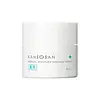
This calming moisturizer is formulated around Ceramide NP and Niacinamide to calm redness and hydrate skin.
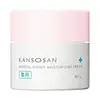
This moisturizer is formulated around Dipotassium Glycyrrhizate to calm irritation and reduce redness.

What's inside
What's inside
 Key Ingredients
Benefits
Concerns
Ingredients Side-by-side
Stearyl Glycyrrhetinate
Skin ConditioningPEG-90
HumectantPentylene Glycol
Skin Conditioning
Water
Skin ConditioningTocopherol
Antioxidant






Behenyl Alcohol
Emollient
Polyglyceryl-10 Pentastearate
Skin Conditioning

Sodium Stearoyl Lactylate
EmulsifyingCeramide NP
Skin Conditioning

N-Stearoyl-Dihydrosphingosine
Skin ConditioningPhytosphingosine
Skin Conditioning
Phytosteryl Isostearate
Skin ConditioningPetrolatum
Emollient


Hydrolyzed Hyaluronic Acid
Humectant

Tremella Fuciformis Polysaccharide
Emulsion Stabilising
Niacinamide
Smoothing




Taurine
BufferingLysine Hcl
Skin Conditioning
Glutamic Acid
Humectant
Leucine
Skin ConditioningGlycine
Buffering
Serine
Masking
Valine
MaskingSodium Aspartate
BufferingThreonine
Alanine
Masking
Isoleucine
Skin ConditioningAllantoin
Skin Conditioning
Phenylalanine
Masking
Arginine
Masking
Proline
Skin Conditioning
Tyrosine
MaskingDisodium Inosinate
EmollientDisodium Guanylate
EmollientPolyethylene
Abrasive

Ethylhexyl Palmitate
Emollient
Stearyl Glycyrrhetinate, PEG-90, Pentylene Glycol, Water, Tocopherol, Behenyl Alcohol, Polyglyceryl-10 Pentastearate, Sodium Stearoyl Lactylate, Ceramide NP, N-Stearoyl-Dihydrosphingosine, Phytosphingosine, Phytosteryl Isostearate, Petrolatum, Hydrolyzed Hyaluronic Acid, Tremella Fuciformis Polysaccharide, Niacinamide, Taurine, Lysine Hcl, Glutamic Acid, Leucine, Glycine, Serine, Valine, Sodium Aspartate, Threonine, Alanine, Isoleucine, Allantoin, Phenylalanine, Arginine, Proline, Tyrosine, Disodium Inosinate, Disodium Guanylate, Polyethylene, Ethylhexyl Palmitate
Sodium Heparin
Skin ConditioningDipotassium Glycyrrhizate
Humectant
Water
Skin ConditioningGlycerin
Humectant
Methyl/Phenyl Polysilsesquioxane

Dimethicone/Vinyl Dimethicone Crosspolymer
Skin Conditioning
Cyclopentasiloxane
Emollient
Butylene Glycol
Humectant
Methicone
Emollient
PEG-8 Dimethicone
Emulsifying
Cetyl Ethylhexanoate
EmollientPentylene Glycol
Skin Conditioning
Hydrogenated Castor Oil Isostearate
Skin Conditioning
Magnesium Sulfate
Α-Olefin Oligomer
Sodium Citrate
BufferingEthylhexylglycerin
Skin ConditioningSodium Metabisulfite
Antioxidant
Glucosyl Hesperidin
HumectantCitric Acid
Buffering
Pyridoxine Dicaprylate
Skin ConditioningSodium Tocopheryl Phosphate
Antioxidant
Petrolatum
Emollient
Squalane
Emollient
Arginine
Masking
Hydrogenated Lecithin
Emulsifying
Phytosterols
Skin Conditioning
N-Stearoyl-Dihydrosphingosine
Skin ConditioningCentella Asiatica Extract
Cleansing
Octyldodeceth-16
EmulsifyingSodium Hyaluronate
Humectant
Sodium Heparin, Dipotassium Glycyrrhizate, Water, Glycerin, Methyl/Phenyl Polysilsesquioxane, Dimethicone/Vinyl Dimethicone Crosspolymer, Cyclopentasiloxane, Butylene Glycol, Methicone, PEG-8 Dimethicone, Cetyl Ethylhexanoate, Pentylene Glycol, Hydrogenated Castor Oil Isostearate, Magnesium Sulfate, Α-Olefin Oligomer, Sodium Citrate, Ethylhexylglycerin, Sodium Metabisulfite, Glucosyl Hesperidin, Citric Acid, Pyridoxine Dicaprylate, Sodium Tocopheryl Phosphate, Petrolatum, Squalane, Arginine, Hydrogenated Lecithin, Phytosterols, N-Stearoyl-Dihydrosphingosine, Centella Asiatica Extract, Octyldodeceth-16, Sodium Hyaluronate
Ingredients Explained
These ingredients are found in both products.
Ingredients higher up in an ingredient list are typically present in a larger amount.
Arginine is a semi-essential amino acid. This just means our bodies can product a bit on its own, but sometimes needs a little boost from food sources.
It is a part of your skin's natural moisturizing factor (NMF), or the water-loving molecules in your outermost layer of skin (stratum corneum) that keeps everything hydrated and happy.
Here's an interesting thing about Arginine: your skin converts it into urea through the Krebs-Henseleit urea cycle. Urea is one of the most effective humectants your skin naturally produces.
A clinical study showed applying 2.5% arginine hydrochloride to atopic dermatitis skin showed significant urea levels in the stratum corneum and improved moisture in just four weeks.
Arginine is also a precursor to nitric oxide; nitric oxide improves microcirculation and supports wound healing and collagen synthesis.
One study found that an amino acid complex containing Arginine reduced skin irritation, improved hydration, and accelerated skin repair in clinical / in-vivo studies.
Arginine itself is an amino acid and not a fatty acid, oil, or ester. On its own, it's not a direct food source for Malassezia, or the yeast that causes fungal acne.
Learn more about ArginineWe don't have a description for N-Stearoyl-Dihydrosphingosine yet.
Pentylene Glycol (1,2-pentanediol) is a multitasking little diol with three main roles in a formula:
Research on alkanediols (the family pentylene glycol belongs to) show they work by disrupting microbial cell membranes. This disruption helps the primary preservative system in a product work more effectively at lower doses.
On the safety side, the Cosmetic Ingredient Review Expert Panel has concluded this ingredient to be safe as used in current cosmetic practices + concentrations.
Typical use levels in a formula run about 1-5%.
Learn more about Pentylene GlycolPetrolatum is more commonly known as petroleum jelly. It is created by mixing waxes and mineral oils.
This ingredient is effective at reducing water loss by 99%. This is because it is an occlusive. Occlusives create a hydrophobic barrier on the skin to prevent evaporation. This property makes it great for hydrating dry skin.
Pro tip: Use occlusives, such as this ingredient, on damp skin for the best results.
The quality or origin of petrolatum is only known when disclosed by the brand. Most cosmetic petrolatum has gone through several purification stages.
Another benefit of occlusives is it protects your skin against infection or allergies.
Petrolatum is fungal acne safe. It is a hydrocarbon with no fatty acid structure, so Malassezia cannot metabolize it. In-vitro studies support negligible growth stimulation as well.
It's also worth noting that petrolatum has a comedogenic rating of 0. In updated rabbit ear testing (and in human testing), petrolatum was found to be not comedogenic. This means it didn’t promote comedone formation in standard models.
Learn more about PetrolatumWater. It's the most common cosmetic ingredient of all. You'll usually see it at the top of ingredient lists, meaning that it makes up the largest part of the product.
So why is it so popular? Water most often acts as a solvent - this means that it helps dissolve other ingredients into the formulation.
You'll also recognize water as that liquid we all need to stay alive. If you see this, drink a glass of water. Remember to stay hydrated!
Learn more about Water


