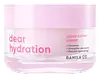
This barrier-repair moisturizer is formulated around Niacinamide to strengthen the skin barrier.

What's inside
What's inside
 Key Ingredients
Benefits
Concerns
Ingredients Side-by-side
Water
Skin ConditioningNelumbo Nucifera Flower Water
TonicGlycerin
Humectant


Butylene Glycol
Humectant
Dimethicone
Emollient
Cyclopentasiloxane
Emollient
Octyldodecyl Myristate
EmollientCyclohexasiloxane
Emollient
Cetyl PEG/PPG-10/1 Dimethicone
Emulsifying
Hydrogenated Poly(C6-14 Olefin)
Emollient1,2-Hexanediol
Skin Conditioning
Acetyl Glucosamine
Skin Conditioning


PEG-32
HumectantSodium Chloride
MaskingSynthetic Beeswax
Emulsion Stabilising

Niacinamide
Smoothing






Quaternium-18 Hectorite
Dimethicone/Vinyl Dimethicone Crosspolymer
Skin Conditioning
Glyceryl Behenate/Eicosadioate
Emollient
Vinyl Dimethicone/Methicone Silsesquioxane Crosspolymer
Phenoxyethanol
Preservative
Caprylyl Glycol
Emollient
Hydroxyethyl Urea
Humectant
Yeast Extract
Skin ConditioningParfum
Masking



Xanthan Gum
EmulsifyingEclipta Prostrata Extract
Skin Conditioning
Disodium EDTA
ChelatingMelia Azadirachta Leaf Extract
Skin ConditioningPropylene Glycol
Humectant
Moringa Oleifera Seed Oil
Emollient

Ocimum Sanctum Leaf Extract
Skin ConditioningAzadirachta Indica Leaf Extract
Skin ConditioningMentha Arvensis Extract
MaskingBambusa Arundinacea Juice
Abrasive
Pinus Sylvestris Bud Extract
Perfuming
Ethylhexylglycerin
Skin ConditioningWater, Nelumbo Nucifera Flower Water, Glycerin, Butylene Glycol, Dimethicone, Cyclopentasiloxane, Octyldodecyl Myristate, Cyclohexasiloxane, Cetyl PEG/PPG-10/1 Dimethicone, Hydrogenated Poly(C6-14 Olefin), 1,2-Hexanediol, Acetyl Glucosamine, PEG-32, Sodium Chloride, Synthetic Beeswax, Niacinamide, Quaternium-18 Hectorite, Dimethicone/Vinyl Dimethicone Crosspolymer, Glyceryl Behenate/Eicosadioate, Vinyl Dimethicone/Methicone Silsesquioxane Crosspolymer, Phenoxyethanol, Caprylyl Glycol, Hydroxyethyl Urea, Yeast Extract, Parfum, Xanthan Gum, Eclipta Prostrata Extract, Disodium EDTA, Melia Azadirachta Leaf Extract, Propylene Glycol, Moringa Oleifera Seed Oil, Ocimum Sanctum Leaf Extract, Azadirachta Indica Leaf Extract, Mentha Arvensis Extract, Bambusa Arundinacea Juice, Pinus Sylvestris Bud Extract, Ethylhexylglycerin
Water
Skin ConditioningPropanediol
Solvent
Glycerin
Humectant
Xylitol
Humectant
1,2-Hexanediol
Skin Conditioning
Pentylene Glycol
Skin Conditioning
Diisostearyl Malate
EmollientMethyl Hydrogenated Rosinate
Perfuming
Methylpropanediol
SolventDicaprylyl Ether
Emollient
Dicaprylyl Carbonate
EmollientOpuntia Ficus-Indica Fruit Extract
Skin ConditioningAmmonium Acryloyldimethyltaurate/Vp Copolymer
Acrylates/C10-30 Alkyl Acrylate Crosspolymer
Emulsion StabilisingTromethamine
BufferingButylene Glycol
Humectant
Chlorella Vulgaris Extract
Skin ConditioningGlucose
Humectant
Fructooligosaccharides
Humectant
Fructose
Humectant
Panthenol
Skin Conditioning
Camellia Sinensis Seed Oil
Humectant
Cetearyl Olivate
Glyceryl Acrylate/Acrylic Acid Copolymer
HumectantXanthan Gum
EmulsifyingEthylhexylglycerin
Skin ConditioningParfum
Masking
Methyl Diisopropyl Propionamide
MaskingSorbitan Olivate
Emulsifying
Eclipta Prostrata Extract
Skin Conditioning
Sodium Phytate
ChelatingCaprylic/Capric Triglyceride
Masking
Menthyl PCA
HumectantEthyl Menthane Carboxamide
TonicMelia Azadirachta Leaf Extract
Skin ConditioningYeast Ferment Extract
Skin ConditioningHydrogenated Lecithin
Emulsifying
Melia Azadirachta Flower Extract
Skin ConditioningOcimum Sanctum Leaf Extract
Skin ConditioningCynanchum Atratum Extract
Skin ConditioningCurcuma Longa Root Extract
Antioxidant
Corallina Officinalis Extract
Skin Conditioning
Moringa Oleifera Seed Oil
Emollient
Ceramide NP
Skin Conditioning
Candida Bombicola/Glucose/Methyl Rapeseedate Ferment
AntimicrobialTocopherol
Antioxidant
Althaea Rosea Flower Extract
Skin ConditioningSodium Stearoyl Glutamate
CleansingWater, Propanediol, Glycerin, Xylitol, 1,2-Hexanediol, Pentylene Glycol, Diisostearyl Malate, Methyl Hydrogenated Rosinate, Methylpropanediol, Dicaprylyl Ether, Dicaprylyl Carbonate, Opuntia Ficus-Indica Fruit Extract, Ammonium Acryloyldimethyltaurate/Vp Copolymer, Acrylates/C10-30 Alkyl Acrylate Crosspolymer, Tromethamine, Butylene Glycol, Chlorella Vulgaris Extract, Glucose, Fructooligosaccharides, Fructose, Panthenol, Camellia Sinensis Seed Oil, Cetearyl Olivate, Glyceryl Acrylate/Acrylic Acid Copolymer, Xanthan Gum, Ethylhexylglycerin, Parfum, Methyl Diisopropyl Propionamide, Sorbitan Olivate, Eclipta Prostrata Extract, Sodium Phytate, Caprylic/Capric Triglyceride, Menthyl PCA, Ethyl Menthane Carboxamide, Melia Azadirachta Leaf Extract, Yeast Ferment Extract, Hydrogenated Lecithin, Melia Azadirachta Flower Extract, Ocimum Sanctum Leaf Extract, Cynanchum Atratum Extract, Curcuma Longa Root Extract, Corallina Officinalis Extract, Moringa Oleifera Seed Oil, Ceramide NP, Candida Bombicola/Glucose/Methyl Rapeseedate Ferment, Tocopherol, Althaea Rosea Flower Extract, Sodium Stearoyl Glutamate
Reviews
Alternatives
Ingredients Explained
These ingredients are found in both products.
Ingredients higher up in an ingredient list are typically present in a larger amount.
1,2-Hexanediol is a synthetic liquid and another multi-functional powerhouse.
It is a:
- Humectant, drawing moisture into the skin
- Emollient, helping to soften skin
- Solvent, dispersing and stabilizing formulas
- Preservative booster, enhancing the antimicrobial activity of other preservatives
Butylene Glycol (or BG) is used within cosmetic products for a few different reasons:
Overall, Butylene Glycol is a safe and well-rounded ingredient that works well with other ingredients.
Though this ingredient works well with most skin types, some people with sensitive skin may experience a reaction such as allergic rashes, closed comedones, or itchiness.
Learn more about Butylene GlycolThis ingredient is also known as Bhringaraj extract or False Daisy. It is a skin conditioning ingredient that keeps skin soft and hydrated.
Research shows it has antioxidant properties; lab studies have found it can protect skin cells from UV-induced damage and help suppress inflammation.
There's also some interesting research on its potential to support hair growth by promoting the growth phase of the hair cycle.
Those with an allergy to plants in the daisy family may want to patch test this ingredient. This ingredient is generally well-tolerated otherwise.
Learn more about Eclipta Prostrata ExtractEthylhexylglycerin is created from glycerin. It is a multitasker ingredient that:
The CIR Expert Panel found minimal skin absorption or sensitization of any kind in a safety assessment. Though this ingredient is considered well-tolerated, a small number of cases of allergic dermatitis have been published since 2002. Just be sure to patch test if you are unsure.
Industry-reported use ranges from 8% in rinse-off products and 2% in leave-on formulations.
Learn more about EthylhexylglycerinGlycerin (or glycerol) is a compound naturally found in your skin. It's a powerhouse humectant that pulls water into the stratum corneum.
Topically, glycerin does several things at once:
Your skin makes glycerin on its own (mostly from sebaceous oil breakdown) and shuttles it to your outermost layer of skin, or your epidermis, via aquaporin-3.
Aquaporin-3 is a transporter that is essential for normal skin hydration, elasticity, and repair. Interestingly, mice lacking in AQP3 have dry and less elastic skin that can be fully corrected with glycerin.
This ingredient is non-irritating, plays well with almost every ingredient, and works across all skin types. Typical use is anywhere between 3-10% but can go up to 79% in some leave-on products.
Just know very high concentrations (>40%) can feel tacky in low humidity.
Glycerin is the name for this ingredient in American English. British English uses Glycerol/Glycerine.
Learn more about GlycerinThis ingredient is also known as neem leaf extract. It contains natural compounds like nimbidin, quercetin, and other polyphenols that give it antibacterial, antifungal, and anti-inflammatory activity.
Lab studies have shown neem leaf extract can inhibit acne-related bacteria and help calm skin. Animal studies on wound gels using 1-3% neem leaf extract found it sped up healing without causing irritation.
A wound-healing study testing gels with the extract at 1%, 2%, and 3% concentrations and found none of them irritated the skin.
Most commercial products also use it in a similar low range (typically under 5%).
Allergy-wise, there are some case reports on neem oil causing allergic contact dermatitis so people with plant/botanical sensitivities may want to patch test first.
Learn more about Melia Azadirachta Leaf ExtractMoringa Oleifera Seed Oil is a lightweight oil from the seeds of the Moringa oleifera tree. In cosmetics, it's an emollient that forms a light film to slow water loss and soften skin.
Its fatty acid composition is dominated by oleic acid (70-78%), with smaller amounts of behenic, palmitic, and stearic acids (this profile is actually pretty similar to olive oil).
Notably, this ingredient is oxidatively stable for an oil and resists going rancid as fast as other oils.
A small, in vivo study on 32 participants found a cream with this ingredient increased skin hydration with no reported skin irritation. It also found the tocopherol content gave it some antioxidant activity as well.
One thing to flag for fungal acne:
Because this oil is so high in oleic acid, Malassezia can use it as a food source and this ingredient may not be fungal acne safe.
For everyone else, this ingredient is well-tolerated and nourishing with a good safety track record.
Learn more about Moringa Oleifera Seed OilOcimum Sanctum Leaf Extract comes from the Holy Basil plant. Holy Basil is native to India.
Holy Basil is rich in antioxidants due to its high romarinic acid, ferulic acid, and rutin content. This gives it skin brightening and soothing properties.
While Holy Basil has many claims to help fight acne, more research is needed.
One thing to note is the presence of tannins; tannins are naturally found in nature. However, this compound may be skin-sensitizing.
Learn more about Ocimum Sanctum Leaf ExtractParfum is a catch-all term for an ingredient or more that is used to give a scent to products.
Also called "fragrance", this ingredient can be a blend of hundreds of chemicals or plant oils. This means every product with "fragrance" or "parfum" in the ingredients list is a different mixture.
For instance, Habanolide is a proprietary trade name for a specific aroma chemical. When used as a fragrance ingredient in cosmetics, most aroma chemicals fall under the broad labeling category of “FRAGRANCE” or “PARFUM” according to EU and US regulations.
The term 'parfum' or 'fragrance' is not regulated in many countries. In many cases, it is up to the brand to define this term.
For instance, many brands choose to label themselves as "fragrance-free" because they are not using synthetic fragrances. However, their products may still contain ingredients such as essential oils that are considered a fragrance by INCI standards.
One example is Calendula flower extract. Calendula is an essential oil that still imparts a scent or 'fragrance'.
Depending on the blend, the ingredients in the mixture can cause allergies and sensitivities on the skin. Some ingredients that are known EU allergens include linalool and citronellol.
Parfum can also be used to mask or cover an unpleasant scent.
The bottom line is: not all fragrances/parfum/ingredients are created equally. If you are worried about fragrances, we recommend taking a closer look at an ingredient. And of course, we always recommend speaking with a professional.
Learn more about ParfumWater. It's the most common cosmetic ingredient of all. You'll usually see it at the top of ingredient lists, meaning that it makes up the largest part of the product.
So why is it so popular? Water most often acts as a solvent - this means that it helps dissolve other ingredients into the formulation.
You'll also recognize water as that liquid we all need to stay alive. If you see this, drink a glass of water. Remember to stay hydrated!
Learn more about WaterXanthan gum is used as a stabilizer and thickener within cosmetic products. It helps give products a sticky, thick feeling - preventing them from being too runny.
On the technical side of things, xanthan gum is a polysaccharide - a combination consisting of multiple sugar molecules bonded together.
Xanthan gum is a pretty common and great ingredient. It is a natural, non-toxic, non-irritating ingredient that is also commonly used in food products.
Learn more about Xanthan Gum

