

What's inside
What's inside
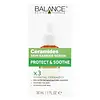 Key Ingredients
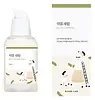
Benefits
Concerns
Ingredients Side-by-side
Water
Skin ConditioningPropylene Glycol
Humectant


Sodium Hyaluronate
Humectant



Phenoxyethanol
Preservative
Panthenol
Skin Conditioning

Sodium Lauroyl Lactylate
EmulsifyingTetrasodium Glutamate Diacetate
Ethylhexylglycerin
Skin ConditioningPentylene Glycol
Skin Conditioning
Ceramide NP
Skin Conditioning
Citric Acid
Buffering

Ceramide AP
Skin Conditioning
Phytosphingosine
Skin Conditioning
Cholesterol
Emollient
Xanthan Gum
EmulsifyingCarbomer
Emulsion StabilisingSodium Hydroxide
BufferingSodium Hyaluronate Crosspolymer
Humectant
Ceramide EOP
Skin Conditioning
Water, Propylene Glycol, Sodium Hyaluronate, Phenoxyethanol, Panthenol, Sodium Lauroyl Lactylate, Tetrasodium Glutamate Diacetate, Ethylhexylglycerin, Pentylene Glycol, Ceramide NP, Citric Acid, Ceramide AP, Phytosphingosine, Cholesterol, Xanthan Gum, Carbomer, Sodium Hydroxide, Sodium Hyaluronate Crosspolymer, Ceramide EOP
Water
Skin ConditioningPropanediol
Solvent
Glycerin
Humectant
Glycereth-26
Humectant
1,2-Hexanediol
Skin Conditioning
Coco-Caprylate/Caprate
Emollient

Panthenol
Skin Conditioning
Glycine Max Seed Extract
Skin ConditioningSqualane
Emollient
Ceramide NP
Skin Conditioning
Ceramide Ns
Skin Conditioning
Ceramide AP
Skin Conditioning
Ceramide As
Skin Conditioning
Ceramide EOP
Skin Conditioning
Hydrogenated Lecithin
Emulsifying
Stearic Acid
Cleansing
Phytosphingosine
Skin Conditioning
Cetearyl Alcohol
Emollient

Cholesterol
Emollient
Adenosine
Skin Conditioning
Lactobacillus/Soymilk Ferment Filtrate
Skin ConditioningLactobacillus/Rye Flour Ferment
Skin ConditioningBacillus/Soybean Ferment Extract
Skin ConditioningPantothenic Acid
Skin ConditioningFolic Acid
Skin ConditioningPyridoxine
Skin ConditioningThiamine Hcl
MaskingRiboflavin
Cosmetic ColorantCyanocobalamin
Skin ConditioningHydroxydecyl Ubiquinone
Antioxidant
Niacinamide
Smoothing





Tetradecyl Aminobutyroylvalylaminobutyric Urea Trifluoroacetate
Skin ConditioningDipeptide Diaminobutyroyl Benzylamide Diacetate
Skin Conditioning
Betaine
Humectant
Trehalose
Humectant
Ethylhexylglycerin
Skin ConditioningPolyacrylate Crosspolymer-6
Emulsion StabilisingAcrylates/C10-30 Alkyl Acrylate Crosspolymer
Emulsion StabilisingGlyceryl Stearate Citrate
Emollient
Butylene Glycol
Humectant
Tocopherol
Antioxidant
Theobroma Cacao Seed Extract
Antioxidant
Polyglyceryl-3 Distearate
Emulsifying
Tromethamine
BufferingZea Mays Starch
Absorbent
Microcrystalline Cellulose
AbsorbentAscorbyl Glucoside
Antioxidant
Kaolin
Abrasive
Dextrin
AbsorbentMagnesium Chloride
Mannitol
Humectant
Xanthan Gum
EmulsifyingWater, Propanediol, Glycerin, Glycereth-26, 1,2-Hexanediol, Coco-Caprylate/Caprate, Panthenol, Glycine Max Seed Extract, Squalane, Ceramide NP, Ceramide Ns, Ceramide AP, Ceramide As, Ceramide EOP, Hydrogenated Lecithin, Stearic Acid, Phytosphingosine, Cetearyl Alcohol, Cholesterol, Adenosine, Lactobacillus/Soymilk Ferment Filtrate, Lactobacillus/Rye Flour Ferment, Bacillus/Soybean Ferment Extract, Pantothenic Acid, Folic Acid, Pyridoxine, Thiamine Hcl, Riboflavin, Cyanocobalamin, Hydroxydecyl Ubiquinone, Niacinamide, Tetradecyl Aminobutyroylvalylaminobutyric Urea Trifluoroacetate, Dipeptide Diaminobutyroyl Benzylamide Diacetate, Betaine, Trehalose, Ethylhexylglycerin, Polyacrylate Crosspolymer-6, Acrylates/C10-30 Alkyl Acrylate Crosspolymer, Glyceryl Stearate Citrate, Butylene Glycol, Tocopherol, Theobroma Cacao Seed Extract, Polyglyceryl-3 Distearate, Tromethamine, Zea Mays Starch, Microcrystalline Cellulose, Ascorbyl Glucoside, Kaolin, Dextrin, Magnesium Chloride, Mannitol, Xanthan Gum
Reviews
Ingredients Explained
These ingredients are found in both products.
Ingredients higher up in an ingredient list are typically present in a larger amount.
Ceramide AP is is a skin-identical lipid that mimics what your skin already makes naturally. Ceramides help maintain epidermal integrity and barrier function.
You'll often see this ingredient paired with other ceramides (like ceramide NP), cholesterol, or fatty acids because this combination best mimics the natural lipid mix your skin already has.
The skin's ability to produce ceramides gets disrupted in skin conditions like eczema. This in turn weakens the skin barrier and applying ceramides topically has been shown to replenish what's been lost to restore barrier function.
Most of the studies with Ceramide AP test it as part of a multi-ceramide complex; studies reinforce ceramide AP's role in rebalancing ceramides in skin and improving skin hydration.
Learn more about Ceramide APCeramide EOP is formally known as Ceramide 1.
It is naturally found in skin and part of the intercellular "mortar" holding everything together in your outermost layer.
EOP stands for a linked Ester fatty acid, a linked Omega hydroxy fatty acid, and the Phytosphingosine base.
What makes Ceramide EOP special is its ultra-long fatty acid chain; this unique structure allows it to bridge the lipid layers in your skin barrier to prevent water loss (something no other ceramide can do).
Low levels of Ceramide EOP have been found in people with eczema and psoriasis.
Using it together with other ceramides, cholesterol, and linoleic acid have been shown to meaningfully improve hydration and reduce water loss.
In one clinical study, a regimen using Ceramide EOP, NP, and AP led to significant symptom improvements in patients with eczema, psoriasis, and dry skin in just 4 weeks.
You'll usually see concentrations between 0.1-0.5% in formulations. Overall, this is a well-tolerated and safe ingredient for cosmetic use.
Learn more about Ceramide EOPCeramide NP (formerly known as Ceramide 3) is one of the skin's naturally occurring lipids.
Since ceramides are the major lipid components of the skin, they are crucial for maintaining skin barrier and hydration. Ceramide NP most closely mirrors the dominant kind in human skin amongst ceramide subtypes.
This ceramide works by slotting into gaps within the stratum corneum's lipid matrix to limit trans-epidermal water loss (TEWL) and shield the skin against external irritants.
A study with 312 patients found that using a ceramide-containing routine for 4 weeks reduced the severity of atopic dermatitis by over 61%.
Another clinical study in subjects aged 60 and older found that a ceramide body wash and moisturizer improved skin dryness and itchy skin in 15 days.
Overall, ceramides are considered non-irritating and safety tests have found little to no observable adverse effects from using this ingredient.
Ceramide NP is usually sourced from plants (like soybean or rice bran), or produced synthetically.
Learn more about Ceramide NPCholesterol is a lipid that is naturally found in human skin and is one of the three key components of your skin barrier. In skincare, it is an emollient and barrier-repairing ingredient.
It works by fitting directly into the lipid layers of skin to help restore structure and reduce transepidermal water loss (TEWL).
This is a great ingredient for dry, compromised, or aging skin; our skin starts to produce less cholesterol with age.
Research shows cholesterol works best in combination with ceramides and fatty acids, the other two major components in your skin barrier.
Cholesterol is also a well-establish penetration enhancer and can help other actives absorb more effectively.
Cosmetic-grade cholesterol is usually derived from lanolin but plant and synthetic options also exist. We recommend reaching out to the brand if you have questions about their source of cholesterol.
Learn more about CholesterolEthylhexylglycerin is created from glycerin. It is a multitasker ingredient that:
The CIR Expert Panel found minimal skin absorption or sensitization of any kind in a safety assessment. Though this ingredient is considered well-tolerated, a small number of cases of allergic dermatitis have been published since 2002. Just be sure to patch test if you are unsure.
Industry-reported use ranges from 8% in rinse-off products and 2% in leave-on formulations.
Learn more about EthylhexylglycerinPanthenol is a common ingredient that helps hydrate and soothe the skin. It is found naturally in our skin and hair.
There are two forms of panthenol: D and L.
D-panthenol is also known as dexpanthenol. Most cosmetics use dexpanthenol or a mixture of D and L-panthenol.
Panthenol is famous due to its ability to go deeper into the skin's layers. Using this ingredient has numerous pros (and no cons):
Like hyaluronic acid, panthenol is a humectant. Humectants are able to bind and hold large amounts of water to keep skin hydrated.
This ingredient works well for wound healing. It works by increasing tissue in the wound and helps close open wounds.
Once oxidized, panthenol converts to pantothenic acid. Panthothenic acid is found in all living cells.
This ingredient is also referred to as pro-vitamin B5.
Learn more about PanthenolPhytosphingosine is a phospholipid naturally found in our skin as a building block for ceramides.. It helps moisturize, soothe, and protect skin.
Phytosphingosine contributes to your skin's natural moisturizing factor (NMF). The NMF is responsible for hydration, a strong barrier, and plasticity. Our NMF decreases with age. Increasing NMF leads to more healthy and hydrated skin.
Studies show products formulated with NMF ingredients help strengthen our skin's barrier. Having a healthy skin barrier reduces irritation and increases hydration. Our skin barrier is responsible for having plump and firm skin. It also helps protect our skin against infection, allergies, and inflammation.
Fun fact: Phytosphingosine is abundant in plants and fungi.
More ingredients that help boost collagen in skin:
Learn more about PhytosphingosineWater. It's the most common cosmetic ingredient of all. You'll usually see it at the top of ingredient lists, meaning that it makes up the largest part of the product.
So why is it so popular? Water most often acts as a solvent - this means that it helps dissolve other ingredients into the formulation.
You'll also recognize water as that liquid we all need to stay alive. If you see this, drink a glass of water. Remember to stay hydrated!
Learn more about WaterXanthan gum is used as a stabilizer and thickener within cosmetic products. It helps give products a sticky, thick feeling - preventing them from being too runny.
On the technical side of things, xanthan gum is a polysaccharide - a combination consisting of multiple sugar molecules bonded together.
Xanthan gum is a pretty common and great ingredient. It is a natural, non-toxic, non-irritating ingredient that is also commonly used in food products.
Learn more about Xanthan Gum
