
What's inside
What's inside
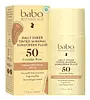 Key Ingredients
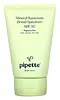
Benefits
Concerns
Ingredients Side-by-side
Zinc Oxide 20.6%
Cosmetic Colorant


Water
Skin ConditioningButyloctyl Salicylate
Skin Conditioning
Diheptyl Succinate
EmollientCalcium Sodium Borosilicate
Octyldodecyl Neopentanoate
EmollientErythritol
Humectant
Lauryl Laurate
Skin Conditioning
Passiflora Edulis Seed Oil
Emollient
Propanediol
Solvent
Carthamus Tinctorius Flower
MaskingBentonite
Absorbent

Aloe Barbadensis Leaf Juice
Skin Conditioning
Lupinus Albus Seed Oil
Skin Conditioning
Rubus Idaeus Seed Oil
Emollient
Bisabolol
Antioxidant

Tocopherol
Antioxidant



Glycerin
Humectant
Helianthus Annuus Seed Oil
Emollient
Calendula Officinalis Flower Extract
Masking
Chamomilla Recutita Flower Extract
Masking
Nasturtium Officinale Flower/Leaf Extract
AntiseborrhoeicSpiraea Ulmaria Flower Extract
Skin ConditioningTriticum Vulgare Germ Oil Unsaponifiables
Emollient
Hydrolyzed Wheat Protein/Pvp Crosspolymer
Cetearyl Alcohol
Emollient



Caprylyl Glycol
Emollient
Ethyl Ferulate
Antioxidant
Sucrose Polystearate
EmollientCapryloyl Glycerin
Sucrose Stearate
EmollientCoco-Glucoside
Cleansing
Octyldodecyl Oleate
Emollient
Polyhydroxystearic Acid
Emulsifying
Sodium Gluconate
Skin ConditioningCaprylhydroxamic Acid
Microcrystalline Cellulose
AbsorbentXanthan Gum
EmulsifyingCitric Acid
Buffering

Iron Oxides
Zinc Oxide 20.6%, Water, Butyloctyl Salicylate, Diheptyl Succinate, Calcium Sodium Borosilicate, Octyldodecyl Neopentanoate, Erythritol, Lauryl Laurate, Passiflora Edulis Seed Oil, Propanediol, Carthamus Tinctorius Flower, Bentonite, Aloe Barbadensis Leaf Juice, Lupinus Albus Seed Oil, Rubus Idaeus Seed Oil, Bisabolol, Tocopherol, Glycerin, Helianthus Annuus Seed Oil, Calendula Officinalis Flower Extract, Chamomilla Recutita Flower Extract, Nasturtium Officinale Flower/Leaf Extract, Spiraea Ulmaria Flower Extract, Triticum Vulgare Germ Oil Unsaponifiables, Hydrolyzed Wheat Protein/Pvp Crosspolymer, Cetearyl Alcohol, Caprylyl Glycol, Ethyl Ferulate, Sucrose Polystearate, Capryloyl Glycerin, Sucrose Stearate, Coco-Glucoside, Octyldodecyl Oleate, Polyhydroxystearic Acid, Sodium Gluconate, Caprylhydroxamic Acid, Microcrystalline Cellulose, Xanthan Gum, Citric Acid, Iron Oxides
Zinc Oxide 20%
Cosmetic Colorant
Water
Skin ConditioningCaprylic/Capric Triglyceride
Masking
Squalane
Emollient
Glycerin
Humectant
Cetearyl Alcohol
Emollient
Methyl Dihydroabietate
Sorbitan Olivate
Emulsifying
Cetyl Palmitate
Emollient
Coco-Glucoside
Cleansing
Ethyl Ferulate
Antioxidant
Caprylyl/Capryl Glucoside
CleansingLecithin
Emollient
Bisabolol
Antioxidant
Physalis Angulata Extract
Skin ProtectingXanthan Gum
EmulsifyingAcacia Senegal Gum
MaskingSodium Gluconate
Skin ConditioningIsostearic Acid
Cleansing
Polyhydroxystearic Acid
Emulsifying
1,2-Hexanediol
Skin Conditioning
Polyglyceryl-3 Polyricinoleate
Emulsifying
Hydroxyacetophenone
Antioxidant
Caprylyl Glycol
Emollient
Zinc Oxide 20%, Water, Caprylic/Capric Triglyceride, Squalane, Glycerin, Cetearyl Alcohol, Methyl Dihydroabietate, Sorbitan Olivate, Cetyl Palmitate, Coco-Glucoside, Ethyl Ferulate, Caprylyl/Capryl Glucoside, Lecithin, Bisabolol, Physalis Angulata Extract, Xanthan Gum, Acacia Senegal Gum, Sodium Gluconate, Isostearic Acid, Polyhydroxystearic Acid, 1,2-Hexanediol, Polyglyceryl-3 Polyricinoleate, Hydroxyacetophenone, Caprylyl Glycol
Reviews
Ingredients Explained
These ingredients are found in both products.
Ingredients higher up in an ingredient list are typically present in a larger amount.
Bisabolol is a gentle skin conditioner, antioxidant, and soothing ingredient.
It's primary claim to fame is soothing and research shows topically applied bisabolol can quiet the chemical messengers that cause your skin to become inflamed, helping to sooth any irritation.
A clinical study found that applying 0.5% bisabolol daily for 8 weeks produced an average 9% decrease in skin pigmentation. Researchers found it can also suppress the process that leads to excess melanin production in skin.
In vitro studies found that bisabolol combined with propylene glycol significantly increased skin permeability by increasing lipid fluidity in the stratum corneum.
You'll likely see use concentrations quite low, usually 0.1-0.2%.
Overall, this is a well-tolerated ingredient that works well in formulas designed for sensitive, reactive, or post-procedure skin.
Learn more about BisabololCaprylyl Glycol is a humectant, skin conditioner, emollient, and preservative booster derived from either caprylic acid or synthetically created.
Typical use levels vary from 0.3-1% as a preservative booster and go up to 2% to condition skin.
Because it is not a free-fatty acid, this ingredient is fungal acne safe (there's nothing for Malassezia to feed on).
Learn more about Caprylyl GlycolCetearyl alcohol is a waxy mixture of two fatty alcohols: cetyl alcohol and stearyl alcohol. It is an emollient and emulsifier.
Despite having "alcohol" in its name, it has nothing to do with drying solvent alcohols; the FDA also allows "alcohol-free" products to contain fatty alcohols like this ingredient.
It plays several roles in a formula:
Typical use levels for this ingredient sit around 1-10% and the Cosmetic Ingredient Review Expert Panel has affirmed safety at concentrations up to 25% in leave-on products.
Multiple assessments have found it to be non-irritating and non-sensitizing to most people.
However, there have been some cases of allergic contact dermatitis in patients with chronically compromised skin barriers.
Cetearyl alcohol has a comedogenic rating of 2 and irritancy rating of 1. Both of these numbers come from the 1989 study that used rabbit ears; a "2" means mildly comedogenic and a "1" means low irritancy.
Here's the catch: rabbit skin is more sensitive than human skin and throws a lot of false positives. A 1996 reappraisal found that ingredients rated 1-2 in the rabbit ear tests are generally safe for humans.
Remember comedogenic ratings are unable to assess the entire formula of a product or how it will react on your skin. Just be sure to patch test if you are unsure about certain ingredients.
This ingredient is not fungal acne safe. Cetearyl alcohol is a fatty alcohol with chain lengths that fall within the range that Malassezia can metabolize.
A 2019 study has also observed Malassezia growth in the presence of this ingredient, confirming it to be not-fungal acne safe.
Learn more about Cetearyl AlcoholCoco-Glucoside is a surfactant, or a cleansing ingredient. It is made from glucose and coconut oil.
Surfactants help gather dirt, oil, and other pollutants from your skin to be rinsed away.
This ingredient is considered gentle and non-comedogenic. However, it may still be irritating for some.
Learn more about Coco-GlucosideEthyl ferulate is an antioxidant derived from ferulic acid and ethyl alcohol. You'll most likely see this ingredient in sunscreens.
One study from 2014 found a concentration of 10% showed a similar SPF to Benzimidazole. Though this is considered a chemical UV filter, this ingredient is not listed as so. This is due to regulatory loopholes. You'll likely find this ingredient in "100% mineral" sunscreens.
This ingredient is typically found in concentrations between 0.5-1%. It is usually created synthetically or from rice bran oil.
Learn more about Ethyl FerulateGlycerin (or glycerol) is a compound naturally found in your skin. It's a powerhouse humectant that pulls water into the stratum corneum.
Topically, glycerin does several things at once:
Your skin makes glycerin on its own (mostly from sebaceous oil breakdown) and shuttles it to your outermost layer of skin, or your epidermis, via aquaporin-3.
Aquaporin-3 is a transporter that is essential for normal skin hydration, elasticity, and repair. Interestingly, mice lacking in AQP3 have dry and less elastic skin that can be fully corrected with glycerin.
This ingredient is non-irritating, plays well with almost every ingredient, and works across all skin types. Typical use is anywhere between 3-10% but can go up to 79% in some leave-on products.
Just know very high concentrations (>40%) can feel tacky in low humidity.
Glycerin is the name for this ingredient in American English. British English uses Glycerol/Glycerine.
Learn more about GlycerinPolyhydroxystearic Acid is a vegetable-derived soft wax made from castor oil. It's an emulsion stabilizer, thickener, and film former.
You'll likely see it in sunscreens because it helps disperse pigments and UV-reflecting minerals like titanium dioxide and zinc oxide evenly.
Depending on the concentration, it can drastically change the texture of a product from pasty solid (like lipstick) to sprayable liquid.
The CIR Expert Panel for Cosmetic Ingredient Safety has concluded this ingredient to be safe in cosmetics. The highest reported use concentration is 14.2% in lipsticks.
Learn more about Polyhydroxystearic AcidThis is the synthetic salt of gluconic acid, a form of PHA and mild exfoliant.
It is mainly used to stabilize oil and butter formulations from going bad. Sodium gluconate is a humectant, pH regulator, and chelating agent.
Chelating agents help neutralize unwanted metals from affecting the formulation.
Sodium gluconate is water-soluble.
Learn more about Sodium GluconateWater. It's the most common cosmetic ingredient of all. You'll usually see it at the top of ingredient lists, meaning that it makes up the largest part of the product.
So why is it so popular? Water most often acts as a solvent - this means that it helps dissolve other ingredients into the formulation.
You'll also recognize water as that liquid we all need to stay alive. If you see this, drink a glass of water. Remember to stay hydrated!
Learn more about WaterXanthan gum is used as a stabilizer and thickener within cosmetic products. It helps give products a sticky, thick feeling - preventing them from being too runny.
On the technical side of things, xanthan gum is a polysaccharide - a combination consisting of multiple sugar molecules bonded together.
Xanthan gum is a pretty common and great ingredient. It is a natural, non-toxic, non-irritating ingredient that is also commonly used in food products.
Learn more about Xanthan GumZinc Oxide is a mineral broad-spectrum UV filter; it is the broadest UVA and UVB reflector approved by the FDA. It also has skin protectant and skin soothing properties.
Zinc oxide is one of the most effective broad-spectrum UV filters. It protects against UVB, UVAII, and UVAI. In comparison to its counterpart titanium dioxide, zinc oxide provides uniform and extended UVA protection.
Another great benefit? This ingredient is highly photostable so it won't degrade easily under sunlight.
A common myth is that mineral UV filters are widely believed to primarily reflect UV light.
However, modern research shows titanium dioxide absorbs UV radiation like chemical filters (~95% absorption & 5% reflection).
Zinc oxide has great skin soothing properties so you'll likely find this in sunscreens formulated for sensitive skin or babies/children. It is unlikely to cause "eye sting" like other sunscreen ingredients.
Regulatory agencies consider zinc oxide to be non-toxic and safe. It has also been shown to not penetrate the skin.
Unfortunately, this ingredient does leave a visible white cast. This is why mineral sunscreens are often less cosmetically elegant than chemical or hybrid ones.
In cosmetics, zinc oxide can be found in both non-nano and nano-sized forms. The nano version is used to reduce white cast and improve the texture of sunscreen formulas.
There are ongoing concerns surrounding nano-zinc oxide's impact on marine ecosystems and whether it can be absorbed into skin.
Regarding marine ecosystems and coral reefs, there is no conclusive evidence that any form of zinc oxide (or any other sunscreen ingredients) will cause harm. The science is still developing but many consumers are keeping a close eye on this issue.
Please note, many destinations have reef-safety sunscreen rules. For instance, the U.S. Virgin Islands advises all visitors to use non-nano mineral sunscreens.
There has also been some stir about whether micronized or nano zinc oxide has potential photoxicity and absorption through the skin/lungs.
An in-vitro (done in a test tube or petri dish) study demonstrated micronized zinc oxide to have potential phototoxicity. There's no need to fret; the EU Commission's Scientific Committee on Consumer Safety has stated, "The relevance of these findings needs to be clarified by appropriate investigations in vivo." Or in other words, further studies done on living organisms are needed to prove this.
Current research shows zinc oxide nanoparticles do not penetrate intact or sunburned skin. They either remain on the surface or in the outermost layer of dead skin (stratum corneum).
Zinc oxide is one of only two classified mineral UV filters with titanium dioxide being the other one.
Fun fact: Zinc has been used throughout history as an ingredient in paint and medicine. An Indian text from 500BC is believed to list zinc oxide as a salve for open wound. The Ancient Greek physician Dioscorides has also mentioned the use of zinc as an ointment in 1AD.
Learn more about Zinc Oxide
