
What's inside
What's inside
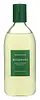 Key Ingredients
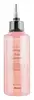
No key ingredients
Benefits
Concerns
Ingredients Side-by-side
Rosmarinus Officinalis Leaf Extract
AntimicrobialWater
Skin ConditioningPinus Densiflora Leaf Extract
Antimicrobial
Sodium Methyl Cocoyl Taurate
Cleansing
Sodium Cocoyl Isethionate
Cleansing
Sodium Methyl Oleoyl Taurate
CleansingLauryl Betaine
CleansingPropanediol
Solvent

Sodium Chloride
MaskingErythritol
Humectant
Lauryl Glucoside
CleansingSalicylic Acid
Masking










Rosmarinus Officinalis Leaf Oil
Masking
Ocimum Basilicum Leaf Extract
Skin ConditioningOcimum Sanctum Leaf Extract
Skin ConditioningOriganum Vulgare Leaf Extract
Skin ConditioningZingiber Officinale Root Extract
Masking

Bifida Ferment Lysate
Skin Conditioning
Lactobacillus Ferment Lysate
Skin Conditioning
Arginine
Masking
Biotin
AntiseborrhoeicPanthenol
Skin Conditioning
Caffeine
Skin Conditioning
Polyquaternium-10
Caprylyl Glycol
Emollient
Cedrus Atlantica Bark Oil
Masking


Butylene Glycol
Humectant
Illicium Verum Fruit Extract
Perfuming
Cupressus Sempervirens Oil
Masking
Abies Sibirica Oil
Masking
Niacinamide
Smoothing

Styrax Benzoin Resin Extract
Masking
Dipropylene Glycol
HumectantLimonene
Perfuming
Glycerin
Humectant
Melia Azadirachta Leaf Extract
Skin ConditioningMelia Azadirachta Flower Extract
Skin ConditioningMalt Extract
Skin ProtectingCoccinia Indica Fruit Extract
Skin Conditioning
Amber Powder
Solanum Melongena Fruit Extract
Skin ConditioningCurcuma Longa Root Extract
Antioxidant
Corallina Officinalis Extract
Skin Conditioning
Moringa Oleifera Seed Oil
Emollient
Disodium EDTA
ChelatingIsopropyl Alcohol
Solvent
Sodium Acetate
Buffering1,2-Hexanediol
Skin Conditioning
Rosmarinus Officinalis Leaf Extract, Water, Pinus Densiflora Leaf Extract, Sodium Methyl Cocoyl Taurate, Sodium Cocoyl Isethionate, Sodium Methyl Oleoyl Taurate, Lauryl Betaine, Propanediol, Sodium Chloride, Erythritol, Lauryl Glucoside, Salicylic Acid, Rosmarinus Officinalis Leaf Oil, Ocimum Basilicum Leaf Extract, Ocimum Sanctum Leaf Extract, Origanum Vulgare Leaf Extract, Zingiber Officinale Root Extract, Bifida Ferment Lysate, Lactobacillus Ferment Lysate, Arginine, Biotin, Panthenol, Caffeine, Polyquaternium-10, Caprylyl Glycol, Cedrus Atlantica Bark Oil, Butylene Glycol, Illicium Verum Fruit Extract, Cupressus Sempervirens Oil, Abies Sibirica Oil, Niacinamide, Styrax Benzoin Resin Extract, Dipropylene Glycol, Limonene, Glycerin, Melia Azadirachta Leaf Extract, Melia Azadirachta Flower Extract, Malt Extract, Coccinia Indica Fruit Extract, Amber Powder, Solanum Melongena Fruit Extract, Curcuma Longa Root Extract, Corallina Officinalis Extract, Moringa Oleifera Seed Oil, Disodium EDTA, Isopropyl Alcohol, Sodium Acetate, 1,2-Hexanediol
Water
Skin ConditioningVinegar
Rubus Idaeus Fruit Extract
AstringentRaspberry Seed Oil/Tocopheryl Succinate Aminopropanediol Esters
Skin Conditioning
Lavandula Angustifolia Extract
Skin Conditioning
Melaleuca Alternifolia Leaf Extract
Perfuming
Rosmarinus Officinalis Leaf Extract
AntimicrobialSaccharomyces Ferment Filtrate
Humectant
Hydrolyzed Corn Protein
Skin ConditioningHydrolyzed Soy Protein
Humectant
Hydrolyzed Wheat Protein
Skin ConditioningOctyldodeceth-16
EmulsifyingPEG-60 Hydrogenated Castor Oil
Emulsifying
Glycerin
Humectant
Butylene Glycol
Humectant
Cetrimonium Chloride
Antimicrobial
Caprylyl Glycol
Emollient
Polyquaternium-7
1,2-Hexanediol
Skin Conditioning
Sodium Citrate
BufferingPentylene Glycol
Skin Conditioning
Ethylhexylglycerin
Skin ConditioningOctanediol
Alcohol
Antimicrobial
Disodium EDTA
ChelatingSodium Benzoate
Masking
Phenoxyethanol
Preservative
Parfum
Masking
Limonene
Perfuming
Linalool
Perfuming
Hexyl Cinnamal
Perfuming
Benzyl Salicylate
Perfuming
Water, Vinegar, Rubus Idaeus Fruit Extract, Raspberry Seed Oil/Tocopheryl Succinate Aminopropanediol Esters, Lavandula Angustifolia Extract, Melaleuca Alternifolia Leaf Extract, Rosmarinus Officinalis Leaf Extract, Saccharomyces Ferment Filtrate, Hydrolyzed Corn Protein, Hydrolyzed Soy Protein, Hydrolyzed Wheat Protein, Octyldodeceth-16, PEG-60 Hydrogenated Castor Oil, Glycerin, Butylene Glycol, Cetrimonium Chloride, Caprylyl Glycol, Polyquaternium-7, 1,2-Hexanediol, Sodium Citrate, Pentylene Glycol, Ethylhexylglycerin, Octanediol, Alcohol, Disodium EDTA, Sodium Benzoate, Phenoxyethanol, Parfum, Limonene, Linalool, Hexyl Cinnamal, Benzyl Salicylate
Reviews
Ingredients Explained
These ingredients are found in both products.
Ingredients higher up in an ingredient list are typically present in a larger amount.
1,2-Hexanediol is a synthetic liquid and another multi-functional powerhouse.
It is a:
- Humectant, drawing moisture into the skin
- Emollient, helping to soften skin
- Solvent, dispersing and stabilizing formulas
- Preservative booster, enhancing the antimicrobial activity of other preservatives
Butylene Glycol (or BG) is used within cosmetic products for a few different reasons:
Overall, Butylene Glycol is a safe and well-rounded ingredient that works well with other ingredients.
Though this ingredient works well with most skin types, some people with sensitive skin may experience a reaction such as allergic rashes, closed comedones, or itchiness.
Learn more about Butylene GlycolCaprylyl Glycol is a humectant, skin conditioner, emollient, and preservative booster derived from either caprylic acid or synthetically created.
Typical use levels vary from 0.3-1% as a preservative booster and go up to 2% to condition skin.
Because it is not a free-fatty acid, this ingredient is fungal acne safe (there's nothing for Malassezia to feed on).
Learn more about Caprylyl GlycolDisodium EDTA is a chelating agent. It grabs onto and deactivates metal ions that sneak into your products from water, packaging, or air.
This ingredient mainly works behind the scenes and helps with:
On top of that, this ingredient can counteract the effects of hard water by binding to the minerals in it.
One thing worth knowing is that Disodium EDTA has been shown to be a mild penetration enhancer. It can help other ingredients absorb into skin more effectively which can be a double-edged sword (great for actives, but can also make the active too strong if you have sensitive skin).
Clinical patch testing showed no significant skin irritation at typical use concentrations and minimal dermal absorption.
You'll most likely see this ingredient near the end of an ingredient list. It's typically found in concentrations less than 1%.
Learn more about Disodium EDTAGlycerin (or glycerol) is a compound naturally found in your skin. It's a powerhouse humectant that pulls water into the stratum corneum.
Topically, glycerin does several things at once:
Your skin makes glycerin on its own (mostly from sebaceous oil breakdown) and shuttles it to your outermost layer of skin, or your epidermis, via aquaporin-3.
Aquaporin-3 is a transporter that is essential for normal skin hydration, elasticity, and repair. Interestingly, mice lacking in AQP3 have dry and less elastic skin that can be fully corrected with glycerin.
This ingredient is non-irritating, plays well with almost every ingredient, and works across all skin types. Typical use is anywhere between 3-10% but can go up to 79% in some leave-on products.
Just know very high concentrations (>40%) can feel tacky in low humidity.
Glycerin is the name for this ingredient in American English. British English uses Glycerol/Glycerine.
Learn more about GlycerinLimonene is the compound that gives citrus peel its smell.
In skincare, it shows up as a standalone fragrance ingredient or as a natural compound of citrus and other essential oils.
You'll typically see this ingredient used in very small amounts; anything above 0.001% in a leave-on product or 0.01% in a rinse-off has to be named on the label in the EU. The citrus oils that carry it sit around 0.5-1% in a finished formula.
Fresh limonene is a weak allergen; the real issue is that it slowly reacts with air and then breaks down from oxidation to create hydroperoxides (which are strong sensitizers). This is why suppliers are required to keep the peroxide value below 20 mmol.
Positive reactions in people being investigated for eczema vary:
It's worth skipping if you have a known fragrance allergy or a compromised barrier, but the risk is low for most people.
Older or long-opened products are also more likely to bother you than fresh ones due to oxidation.
Learn more about LimoneneThis is a botanical extract from the rosemary plant (the same one you cook with). In skincare, it mostly works as a skin conditioning agent.
Its activity comes from a handful of polyphenols, carnosic acid, carnosol, and rosmarinic acid. Almost 90% of the antioxidant activity of this ingredient can be attributed to canosol and carnosic acid.
These compounds protect your skin two ways:
1) They fight off free radicals, or the unstable molecules from things like sun and pollution that age and damage skin.
2) They help calm inflammation by switching off the chemical signals that tell skin to get red and irritated.
Lab studies also suggest that rosmarinic acid may help protect collagen and slow sugar-related damage to it.
The Cosmetic Ingredient Review has concluded rosemary-derived ingredients to be safe when formulated to be non-sensitizing.
Rosemary can occasionally cause allergic contact dermatitis (due to carnosol), so be sure to patch test if you have reactive or fragrance-sensitive skin.
Learn more about Rosmarinus Officinalis Leaf ExtractWater. It's the most common cosmetic ingredient of all. You'll usually see it at the top of ingredient lists, meaning that it makes up the largest part of the product.
So why is it so popular? Water most often acts as a solvent - this means that it helps dissolve other ingredients into the formulation.
You'll also recognize water as that liquid we all need to stay alive. If you see this, drink a glass of water. Remember to stay hydrated!
Learn more about Water

