

What's inside
What's inside
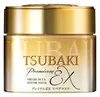 Key Ingredients
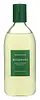
Benefits
Concerns
Ingredients Side-by-side
Water
Skin ConditioningGlycerin
Humectant


Dimethicone
Emollient
Isopentyldiol
Humectant
Hydrogenated Rapeseed Alcohol
Emollient

Behentrimonium Chloride
Preservative
Stearyl Alcohol
Emollient
Sorbitol
Humectant
Aminopropyl Dimethicone
Hydroxyethyl Urea
Humectant
Dihydroxypropyl Arginine Hcl
HumectantSteartrimonium Chloride
Preservative
Lactic Acid
Buffering








Camellia Japonica Seed Oil
Emollient
Sodium Chloride
MaskingLauroyl Glutamic Acid
Skin ConditioningSodium Lauroyl Glutamate
SurfactantRoyal Jelly Extract
Skin Conditioning
Glycine Max Seed Extract
Skin ConditioningSodium Acetylated Hyaluronate
Humectant
Hydrolyzed Conchiolin Protein
Skin ConditioningIsopropyl Alcohol
Solvent

Cetearyl Alcohol
Emollient


Octyldodecanol
Emollient
Alcohol
Antimicrobial
Citric Acid
Buffering
Ammonium Lactate
Buffering
Laurtrimonium Chloride
Emulsifying
Butylene Glycol
Humectant
Dipropylene Glycol
HumectantAdenosine Phosphate
Skin ConditioningAmodimethicone
PPG-2-Deceth-12
EmulsifyingTocopherol
Antioxidant


Phenoxyethanol
Preservative
Sodium Benzoate
Masking
Parfum
Masking

CI 17200
Cosmetic ColorantCI 19140
Cosmetic ColorantWater, Glycerin, Dimethicone, Isopentyldiol, Hydrogenated Rapeseed Alcohol, Behentrimonium Chloride, Stearyl Alcohol, Sorbitol, Aminopropyl Dimethicone, Hydroxyethyl Urea, Dihydroxypropyl Arginine Hcl, Steartrimonium Chloride, Lactic Acid, Camellia Japonica Seed Oil, Sodium Chloride, Lauroyl Glutamic Acid, Sodium Lauroyl Glutamate, Royal Jelly Extract, Glycine Max Seed Extract, Sodium Acetylated Hyaluronate, Hydrolyzed Conchiolin Protein, Isopropyl Alcohol, Cetearyl Alcohol, Octyldodecanol, Alcohol, Citric Acid, Ammonium Lactate, Laurtrimonium Chloride, Butylene Glycol, Dipropylene Glycol, Adenosine Phosphate, Amodimethicone, PPG-2-Deceth-12, Tocopherol, Phenoxyethanol, Sodium Benzoate, Parfum, CI 17200, CI 19140
Rosmarinus Officinalis Leaf Extract
AntimicrobialWater
Skin ConditioningPinus Densiflora Leaf Extract
Antimicrobial
Sodium Methyl Cocoyl Taurate
Cleansing
Sodium Cocoyl Isethionate
Cleansing
Sodium Methyl Oleoyl Taurate
CleansingLauryl Betaine
CleansingPropanediol
Solvent
Sodium Chloride
MaskingErythritol
Humectant
Lauryl Glucoside
CleansingSalicylic Acid
Masking

Rosmarinus Officinalis Leaf Oil
Masking
Ocimum Basilicum Leaf Extract
Skin ConditioningOcimum Sanctum Leaf Extract
Skin ConditioningOriganum Vulgare Leaf Extract
Skin ConditioningZingiber Officinale Root Extract
Masking
Bifida Ferment Lysate
Skin Conditioning
Lactobacillus Ferment Lysate
Skin Conditioning
Arginine
Masking
Biotin
AntiseborrhoeicPanthenol
Skin Conditioning
Caffeine
Skin Conditioning
Polyquaternium-10
Caprylyl Glycol
Emollient
Cedrus Atlantica Bark Oil
Masking

Butylene Glycol
Humectant
Illicium Verum Fruit Extract
Perfuming
Cupressus Sempervirens Oil
Masking
Abies Sibirica Oil
Masking
Niacinamide
Smoothing
Styrax Benzoin Resin Extract
Masking
Dipropylene Glycol
HumectantLimonene
Perfuming
Glycerin
Humectant
Melia Azadirachta Leaf Extract
Skin ConditioningMelia Azadirachta Flower Extract
Skin ConditioningMalt Extract
Skin ProtectingCoccinia Indica Fruit Extract
Skin Conditioning
Amber Powder
Solanum Melongena Fruit Extract
Skin ConditioningCurcuma Longa Root Extract
Antioxidant
Corallina Officinalis Extract
Skin Conditioning
Moringa Oleifera Seed Oil
Emollient
Disodium EDTA
ChelatingIsopropyl Alcohol
Solvent
Sodium Acetate
Buffering1,2-Hexanediol
Skin Conditioning
Rosmarinus Officinalis Leaf Extract, Water, Pinus Densiflora Leaf Extract, Sodium Methyl Cocoyl Taurate, Sodium Cocoyl Isethionate, Sodium Methyl Oleoyl Taurate, Lauryl Betaine, Propanediol, Sodium Chloride, Erythritol, Lauryl Glucoside, Salicylic Acid, Rosmarinus Officinalis Leaf Oil, Ocimum Basilicum Leaf Extract, Ocimum Sanctum Leaf Extract, Origanum Vulgare Leaf Extract, Zingiber Officinale Root Extract, Bifida Ferment Lysate, Lactobacillus Ferment Lysate, Arginine, Biotin, Panthenol, Caffeine, Polyquaternium-10, Caprylyl Glycol, Cedrus Atlantica Bark Oil, Butylene Glycol, Illicium Verum Fruit Extract, Cupressus Sempervirens Oil, Abies Sibirica Oil, Niacinamide, Styrax Benzoin Resin Extract, Dipropylene Glycol, Limonene, Glycerin, Melia Azadirachta Leaf Extract, Melia Azadirachta Flower Extract, Malt Extract, Coccinia Indica Fruit Extract, Amber Powder, Solanum Melongena Fruit Extract, Curcuma Longa Root Extract, Corallina Officinalis Extract, Moringa Oleifera Seed Oil, Disodium EDTA, Isopropyl Alcohol, Sodium Acetate, 1,2-Hexanediol
Reviews
Ingredients Explained
These ingredients are found in both products.
Ingredients higher up in an ingredient list are typically present in a larger amount.
Butylene Glycol (or BG) is used within cosmetic products for a few different reasons:
Overall, Butylene Glycol is a safe and well-rounded ingredient that works well with other ingredients.
Though this ingredient works well with most skin types, some people with sensitive skin may experience a reaction such as allergic rashes, closed comedones, or itchiness.
Learn more about Butylene GlycolDipropylene Glycol is a synthetically created humectant, stabilizer, and solvent.
This ingredient helps:
Dipropylene glycol is technically an alcohol, but it belongs to the glycol family (often considered part of the ‘good’ alcohols). This means it is hydrating and gentle on skin unlike drying solvent alcohols like denatured alcohol.
As a masking agent, Dipropylene Glycol can be used to cover the smell of other ingredients. However, it does not have a scent.
Studies show Dipropylene Glycol is considered safe to use in skincare.
Learn more about Dipropylene GlycolGlycerin (or glycerol) is a compound naturally found in your skin. It's a powerhouse humectant that pulls water into the stratum corneum.
Topically, glycerin does several things at once:
Your skin makes glycerin on its own (mostly from sebaceous oil breakdown) and shuttles it to your outermost layer of skin, or your epidermis, via aquaporin-3.
Aquaporin-3 is a transporter that is essential for normal skin hydration, elasticity, and repair. Interestingly, mice lacking in AQP3 have dry and less elastic skin that can be fully corrected with glycerin.
This ingredient is non-irritating, plays well with almost every ingredient, and works across all skin types. Typical use is anywhere between 3-10% but can go up to 79% in some leave-on products.
Just know very high concentrations (>40%) can feel tacky in low humidity.
Glycerin is the name for this ingredient in American English. British English uses Glycerol/Glycerine.
Learn more about GlycerinIsopropyl Alcohol is a small, fast-evaporating alcohol.
Formulators use it as a solvent, a way to think out thick liquids, an antifoaming agent, and occasionally a fragrance ingredient.
Reported use concentrations run from 0.002%-100% and any number over 50% usually comes from a nail product.
Actual skincare numbers run much lower: cleansers (0.3-26%), toners (0.07-7%), face moisturizers (0.04-0.2%).
The Cosmetic Ingredient Review Expert Panel reviewed it and concluded it is safe in the present practices of use and the International Agency for Research on Cancer classifies it as a non-carcinogenic to humans.
True allergy to this ingredient is uncommon but real: 44 out of 1,450 patients patch tested between 1992-2011 reacted with most cases clustering in people with leg ulcers, occupational hand eczema, or repeated use of Isopropyl Alcohol on already-broken skin.
Irritation and dryness are far more likely than allergy; before you throw away your skincare, just know this is dose-dependent and the risk is modest.
The irritant potential of the alcohols used in hand antiseptics is very low and skin irritation is significantly lower after alcohol application than after detergents (though isopropanol is somewhat more irritating than ethanol).
A 70% solution was a severe eye irritant in rabbit eye tests so the industry keeps this ingredient at low percentages in eye-area products.
One genuine caution: a 70% solution was a severe eye irritant in rabbit eye tests, so it belongs at low percentages in eye-area products, which is where the industry already keeps it.
According to the National Rosacea Society based in the US, you should be mindful of products with these alcohols in the top half of ingredients.
Learn more about Isopropyl AlcoholChances are, you eat sodium chloride every day. Sodium Chloride is also known as table salt. This ingredient has many purposes in skincare: thickener, emulsifier, and exfoliator.
You'll most likely find this ingredient in cleansers where it is used to create a gel-like texture. As an emulsifier, it also prevents ingredients from separating.
You might see people debate whether Sodium Chloride is comedogenic, but there actually haven't been any comedogenic tests done on it. Either way, the overall formulation of a product matters a lot more than any single ingredient.
You might see this ingredient used in scrubs as a primary exfoliating ingredient.
Learn more about Sodium ChlorideWater. It's the most common cosmetic ingredient of all. You'll usually see it at the top of ingredient lists, meaning that it makes up the largest part of the product.
So why is it so popular? Water most often acts as a solvent - this means that it helps dissolve other ingredients into the formulation.
You'll also recognize water as that liquid we all need to stay alive. If you see this, drink a glass of water. Remember to stay hydrated!
Learn more about Water

