
What's inside
What's inside
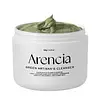 Key Ingredients
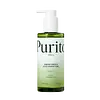
Benefits
Concerns
Ingredients Side-by-side
Glycerin
Humectant



Sodium Cocoyl Isethionate
CleansingHamamelis Virginiana Extract
Antiseborrhoeic


Sodium Cocoyl Glycinate
CleansingCentella Asiatica Extract
Cleansing


Water
Skin ConditioningPrunus Amygdalus Dulcis Seed Powder
Exfoliating
1,2-Hexanediol
Skin Conditioning
Coconut Acid
Cleansing
Sodium Methyl Cocoyl Taurate
Cleansing
Oryza Sativa Powder
Cellulose
AbsorbentSodium Isethionate
CleansingHydroxypropyl Starch Phosphate
Glyceryl Stearate
Emollient
Propanediol
Solvent
Sodium Chloride
Masking
Xanthan Gum
EmulsifyingCamellia Sinensis Leaf Powder
Exfoliating
Parfum
Masking
Gardenia Florida Fruit Extract
Skin ConditioningCaprylyl Glycol
Emollient
Ethylhexylglycerin
Skin ConditioningDisodium EDTA
Helianthus Annuus Seed Oil
Emollient
Butylene Glycol
Humectant
Olea Europaea Fruit Oil
Masking
Simmondsia Chinensis Seed Oil
Emollient
Portulaca Oleracea Extract
Skin Conditioning
Camellia Sinensis Leaf Extract
Antimicrobial

Melaleuca Alternifolia Leaf Extract
Perfuming
Oryza Sativa Extract
Absorbent
Vigna Radiata Seed Extract
Skin ConditioningFicus Carica Fruit Extract
Humectant
Saururus Chinensis Extract
Skin ConditioningNelumbo Nucifera Leaf Extract
Skin ConditioningDipropylene Glycol
HumectantLupinus Albus Seed Extract
Skin ConditioningSodium Hyaluronate
Humectant
Anthemis Nobilis Flower Extract
Masking
Adansonia Digitata Fruit Extract
EmollientSalix Alba Bark Extract
Astringent
Origanum Vulgare Leaf Extract
Skin ConditioningChamaecyparis Obtusa Leaf Extract
Skin ConditioningCaulerpa Lentillifera Extract
Rosa Canina Fruit Extract
Astringent
Lactobacillus/Soybean Ferment Extract
Skin ConditioningCinnamomum Cassia Bark Extract
Masking
Scutellaria Baicalensis Root Extract
AstringentLycium Chinense Fruit Extract
Antioxidant
Tocopherol
Antioxidant
Hexyl Cinnamal
Perfuming

Glycerin, Sodium Cocoyl Isethionate, Hamamelis Virginiana Extract, Sodium Cocoyl Glycinate, Centella Asiatica Extract, Water, Prunus Amygdalus Dulcis Seed Powder, 1,2-Hexanediol, Coconut Acid, Sodium Methyl Cocoyl Taurate, Oryza Sativa Powder, Cellulose, Sodium Isethionate, Hydroxypropyl Starch Phosphate, Glyceryl Stearate, Propanediol, Sodium Chloride, Xanthan Gum, Camellia Sinensis Leaf Powder, Parfum, Gardenia Florida Fruit Extract, Caprylyl Glycol, Ethylhexylglycerin, Disodium EDTA, Helianthus Annuus Seed Oil, Butylene Glycol, Olea Europaea Fruit Oil, Simmondsia Chinensis Seed Oil, Portulaca Oleracea Extract, Camellia Sinensis Leaf Extract, Melaleuca Alternifolia Leaf Extract, Oryza Sativa Extract, Vigna Radiata Seed Extract, Ficus Carica Fruit Extract, Saururus Chinensis Extract, Nelumbo Nucifera Leaf Extract, Dipropylene Glycol, Lupinus Albus Seed Extract, Sodium Hyaluronate, Anthemis Nobilis Flower Extract, Adansonia Digitata Fruit Extract, Salix Alba Bark Extract, Origanum Vulgare Leaf Extract, Chamaecyparis Obtusa Leaf Extract, Caulerpa Lentillifera Extract, Rosa Canina Fruit Extract, Lactobacillus/Soybean Ferment Extract, Cinnamomum Cassia Bark Extract, Scutellaria Baicalensis Root Extract, Lycium Chinense Fruit Extract, Tocopherol, Hexyl Cinnamal
Reviews
Ingredients Explained
These ingredients are found in both products.
Ingredients higher up in an ingredient list are typically present in a larger amount.
Ethylhexylglycerin (we can't pronounce this either) is commonly used as a preservative and skin softener. It is derived from glyceryl.
You might see Ethylhexylglycerin often paired with other preservatives such as phenoxyethanol. Ethylhexylglycerin has been found to increase the effectiveness of these other preservatives.
Helianthus Annuus Seed Oil is the oil derived from the seeds of a Sunflower. Sunflower seed oil is non-fragrant. It is an emollient, meaning it helps to soften the skin.
Sunflower seed oil contains many fatty acids. The fatty acids found in sunflower seeds include (from highest amount to least): linoleic acid, myristic acid, palmitic acid, stearic acid, arachidic acid, oleic acid, and linolenic acid.
These fatty acids help the skin create ceramides. Ceramides play a role in repairing the skin barrier.
Helianthus Annuus Seed Oil helps moisturize the skin. This in turn helps the skin look more rejuvenated and smoother.
Sunflowers are rich in vitamin E.
Historians believe Indigenous cultures of North America domesticated sunflowers before corn. Thus they relied on sunflower oil for a variety of uses. One such use is moisturizing skin and hair.
Sunflower seed oil may not be fungal acne safe. We recommend speaking with a professional if you have any concerns.
Learn more about Helianthus Annuus Seed OilOlea Europaea Fruit Oil is the fixed oil obtained from the ripe fruit of the Olive. In other words - olive oil.
The primary contents of olive oil are glycerides of the fatty acids linoleic, oleic and palmitic.
Olive oil also contains antioxidants such as Vitamin E. Antioxidants may help reduce signs of aging by fighting unstable free-radical molecules. It also contains Vitamins A (retinol), D, and K.
The squalene in olive oil makes it a great emollient. Emollients help soothe and soften your skin by trapping moisture in. This makes olive oil a great skin moisturizer.
Studies show olive oil to have antibacterial and antifungal properties in low concentrations. Another study found olive oil irritated sensitive oily skin. We always recommend speaking with a professional about using this ingredient in your routine.
Due to the fatty acid content, this ingredient may not be fungal-acne safe.
Learn more about Olea Europaea Fruit OilThis oil comes from the seeds of the desert shrub called Jojoba. It is more commonly known as jojoba oil, a non-comedogenic oil.
Jojoba oil does not contain fragrance and has many fatty-acids, making it a great soothing ingredient.
It also contains Vitamin E, a great moisturizing ingredient. Vitamin E is also an antioxidant and protects your skin against oxidative damage.
This ingredient humectant properties, meaning it helps draw moisture from the air. This helps keep your skin hydrated.
While jojoba has antibacterial properties, it is only able to kill some strains of bacteria.
Studies also show it helps in wound healing. In fact, Indigenous cultures have used jojoba as a moisturizer and to help treat burns for centuries.
Fun fact: Jojoba oil similar to natural human skin sebum, so it has a great effect on dry skin. It is also promising with helping to regulate sebum production.
Due to its fatty acid content, Jojoba oil may not be fungal acne safe. We recommend speaking with a professional if you have any concerns.
Learn more about Simmondsia Chinensis Seed OilTocopherol (also known as Vitamin E) is a common antioxidant used to help protect the skin from free-radicals and strengthen the skin barrier. It's also fat soluble - this means our skin is great at absorbing it.
Vitamin E also helps keep your natural skin lipids healthy. Your lipid skin barrier naturally consists of lipids, ceramides, and fatty acids. Vitamin E offers extra protection for your skin’s lipid barrier, keeping your skin healthy and nourished.
Another benefit is a bit of UV protection. Vitamin E helps reduce the damage caused by UVB rays. (It should not replace your sunscreen). Combining it with Vitamin C can decrease sunburned cells and hyperpigmentation after UV exposure.
You might have noticed Vitamin E + C often paired together. This is because it is great at stabilizing Vitamin C. Using the two together helps increase the effectiveness of both ingredients.
There are often claims that Vitamin E can reduce/prevent scarring, but these claims haven't been confirmed by scientific research.
Learn more about Tocopherol
