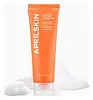
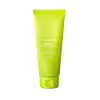
APRILSKIN Carrotene Clarifying Foam Cleanser(5% BHA with Beta-Carotene) Versus Moonbow Reset Soothing Cleanser
This salicylic acid foaming cleanser is formulated around Salicylic Acid to clear breakouts and unclog pores.
This mild gel cleanser is made to cleanse while calming and soothing your skin.


What's inside
What's inside
 Key Ingredients
Benefits
Concerns
Ingredients Side-by-side
Water
Skin ConditioningGlycerin
Humectant


Palmitic Acid
Emollient




Stearic Acid
Cleansing
Lauric Acid
Cleansing
Myristic Acid
Cleansing
Potassium Hydroxide
BufferingLauryl Hydroxysultaine
CleansingPEG-100 Stearate
Surfactant
Glyceryl Stearate
Emollient
Daucus Carota Sativa Root Water
MaskingBeeswax
Emulsion Stabilising
Sodium Methyl Cocoyl Taurate
Cleansing
Potassium Cocoyl Glycinate
Surfactant
Dipropylene Glycol
HumectantSalicylic Acid
Masking








Sodium Chloride
MaskingHydroxyacetophenone
Antioxidant
Caprylyl Glycol
Emollient
Glycine Soja Oil
Emollient


Butylene Glycol
Humectant
Citrus Aurantium Bergamia Fruit Oil
Masking

Disodium EDTA
ChelatingMelia Azadirachta Flower Extract
Skin ConditioningOcimum Sanctum Leaf Extract
Skin Conditioning1,2-Hexanediol
Skin Conditioning
Hydroxyethylcellulose
Emulsion StabilisingCupressus Sempervirens Leaf/Nut/Stem Oil
Emollient
Curcuma Longa Root Extract
Antioxidant
Eucalyptus Globulus Leaf Oil
Perfuming
Corallina Officinalis Extract
Skin Conditioning
Daucus Carota Sativa Root Extract
Skin Conditioning
Melaleuca Alternifolia Leaf Oil
Antioxidant
Daucus Carota Sativa Seed Oil
Emollient
Pogostemon Cablin Leaf Oil
Masking
Dipotassium Glycyrrhizate
Humectant
Ethylhexylglycerin
Skin ConditioningBeta-Carotene
Skin ConditioningTocopherol
Antioxidant

Water, Glycerin, Palmitic Acid, Stearic Acid, Lauric Acid, Myristic Acid, Potassium Hydroxide, Lauryl Hydroxysultaine, PEG-100 Stearate, Glyceryl Stearate, Daucus Carota Sativa Root Water, Beeswax, Sodium Methyl Cocoyl Taurate, Potassium Cocoyl Glycinate, Dipropylene Glycol, Salicylic Acid, Sodium Chloride, Hydroxyacetophenone, Caprylyl Glycol, Glycine Soja Oil, Butylene Glycol, Citrus Aurantium Bergamia Fruit Oil, Disodium EDTA, Melia Azadirachta Flower Extract, Ocimum Sanctum Leaf Extract, 1,2-Hexanediol, Hydroxyethylcellulose, Cupressus Sempervirens Leaf/Nut/Stem Oil, Curcuma Longa Root Extract, Eucalyptus Globulus Leaf Oil, Corallina Officinalis Extract, Daucus Carota Sativa Root Extract, Melaleuca Alternifolia Leaf Oil, Daucus Carota Sativa Seed Oil, Pogostemon Cablin Leaf Oil, Dipotassium Glycyrrhizate, Ethylhexylglycerin, Beta-Carotene, Tocopherol
Water
Skin ConditioningDisodium Cocoamphodiacetate
CleansingCoco-Betaine
Cleansing
Sodium Cocoyl Alaninate
Surfactant
Glycerin
Humectant
Acrylates Copolymer
1,2-Hexanediol
Skin Conditioning
Polyglyceryl-10 Laurate
Skin Conditioning
Propanediol
Solvent
Hydroxyacetophenone
Antioxidant
Ethylhexylglycerin
Skin ConditioningChrysanthemum Indicum Flower Extract
Skin Conditioning
Tromethamine
BufferingMelaleuca Alternifolia Leaf Oil
Antioxidant
Dipropylene Glycol
HumectantEclipta Prostrata Leaf Extract
Skin ConditioningLaminaria Japonica Extract
Skin Protecting
Camellia Sinensis Leaf Extract
Antimicrobial
Schisandra Chinensis Fruit Extract
Skin Conditioning
Centella Asiatica Extract
Cleansing
Ziziphus Jujuba Fruit Extract
Skin ConditioningFructooligosaccharides
Humectant
Beta-Glucan
Skin Conditioning
Hydrogenated Lecithin
Emulsifying
Hydrolyzed Hyaluronic Acid
Humectant
Tocopherol
Antioxidant
Water, Disodium Cocoamphodiacetate, Coco-Betaine, Sodium Cocoyl Alaninate, Glycerin, Acrylates Copolymer, 1,2-Hexanediol, Polyglyceryl-10 Laurate, Propanediol, Hydroxyacetophenone, Ethylhexylglycerin, Chrysanthemum Indicum Flower Extract, Tromethamine, Melaleuca Alternifolia Leaf Oil, Dipropylene Glycol, Eclipta Prostrata Leaf Extract, Laminaria Japonica Extract, Camellia Sinensis Leaf Extract, Schisandra Chinensis Fruit Extract, Centella Asiatica Extract, Ziziphus Jujuba Fruit Extract, Fructooligosaccharides, Beta-Glucan, Hydrogenated Lecithin, Hydrolyzed Hyaluronic Acid, Tocopherol
Reviews
Ingredients Explained
These ingredients are found in both products.
Ingredients higher up in an ingredient list are typically present in a larger amount.
1,2-Hexanediol is a synthetic liquid and another multi-functional powerhouse.
It is a:
- Humectant, drawing moisture into the skin
- Emollient, helping to soften skin
- Solvent, dispersing and stabilizing formulas
- Preservative booster, enhancing the antimicrobial activity of other preservatives
Dipropylene Glycol is a synthetically created humectant, stabilizer, and solvent.
This ingredient helps:
Dipropylene glycol is technically an alcohol, but it belongs to the glycol family (often considered part of the ‘good’ alcohols). This means it is hydrating and gentle on skin unlike drying solvent alcohols like denatured alcohol.
As a masking agent, Dipropylene Glycol can be used to cover the smell of other ingredients. However, it does not have a scent.
Studies show Dipropylene Glycol is considered safe to use in skincare.
Learn more about Dipropylene GlycolEthylhexylglycerin is created from glycerin. It is a multitasker ingredient that:
The CIR Expert Panel found minimal skin absorption or sensitization of any kind in a safety assessment. Though this ingredient is considered well-tolerated, a small number of cases of allergic dermatitis have been published since 2002. Just be sure to patch test if you are unsure.
Industry-reported use ranges from 8% in rinse-off products and 2% in leave-on formulations.
Learn more about EthylhexylglycerinGlycerin (or glycerol) is a compound naturally found in your skin. It's a powerhouse humectant that pulls water into the stratum corneum.
Topically, glycerin does several things at once:
Your skin makes glycerin on its own (mostly from sebaceous oil breakdown) and shuttles it to your outermost layer of skin, or your epidermis, via aquaporin-3.
Aquaporin-3 is a transporter that is essential for normal skin hydration, elasticity, and repair. Interestingly, mice lacking in AQP3 have dry and less elastic skin that can be fully corrected with glycerin.
This ingredient is non-irritating, plays well with almost every ingredient, and works across all skin types. Typical use is anywhere between 3-10% but can go up to 79% in some leave-on products.
Just know very high concentrations (>40%) can feel tacky in low humidity.
Glycerin is the name for this ingredient in American English. British English uses Glycerol/Glycerine.
Learn more about GlycerinHydroxyacetophenone is a small phenolic molecule that earns its place in a formulas as an antioxidant and preservative booster.
As a phenol, it is able to neutralize free radicals to protect both the product and the skin from oxidative stress.
Though it can't kill microbes on its own, it works as a good supporting agent when combined with other preservatives like Phenoxyethanol or 1,2-Hexanediol.
This ingredient naturally occurs as piceol in Norwegian spruce needles (~0.4-1.1% dry weight and in cloudberries). Though the cosmetic-grade material is synthesized for purity and consistency.
You'll usually see it used at low levels and suppliers recommend up to 1% added to a water phase.
Safety testing was done at concentrations like 0.05% in SPF products and 0.5% in a Human Repeated Insult Patch Test. The safety evidence is assuring; this ingredient is safe for cosmetics in current use and also holds safety status as a food flavoring as well.
An honest caveat: the "soothing" and "anti-inflammatory" claims come mostly from supplier marketing rather than published clinical trials. The Cosmetic Ingredient Review's own literature search found no useful efficacy studies on this ingredient.
So the antioxidant and preservative-boosting roles are the well supported ones while the calming benefit is plausible but thinly evidenced.
Overall, this is a well-tolerated, low-irritation multitasker that quietly helps a formula stay fresh and stable.
Learn more about HydroxyacetophenoneThis ingredient is also known as tea tree oil. It has antioxidant, anti-inflammatory, and antimicrobial properties.
Tea tree oil is a complex lipophilic (fat-loving) oil that contains around 100 compounds with terpinen-4-ol being the most abundant (~40%).
Terpinen-4-ol is responsible for tea tree oil's broad-spectrum antimicrobial activity and makes it a well-researched option for acne.
Clinical studies support 5% tea tree oil as an effective topical treatment for mild to moderate acne. A study with 124 patients compared 5% tea tree oil gel to 5% benzoyl peroxide and both reduced acne (though tea tree oil worked more slowly).
Besides acne, it is also seen in anti-dandruff shampoos and scalp treatments for it's antimicrobial and anti-seborrheic properties.
Safety-wise, the allergic potential of low concentrations on healthy skin is considered low. However, oxidized (old or improperly stored) tea tree oil is a stronger sensitizer.
Irritation can also occur if using the undiluted oil on skin; it's best to use this ingredient as part of a carefully crafted cosmetic formula. This is because regulations require tea tree oil in cosmetics to be stabilized to prevent degradation.
This ingredient has been deemed safe up to 2% in shampoo, 1% in cleansers, and 0.1% in face cream by the EU's Scientific Committee on Consumer Safety (SCCS).
There is some lab evidence that tea tree oil is antifungal against Malassezia, but it is a supportive option at best and not a replacement for proven antifungal treatments.
Learn more about Melaleuca Alternifolia Leaf OilTocopherol is a fat-soluble antioxidant known as Vitamin E.
You'll find this ingredient in the vast majority of skincare (for good reason). It works to neutralize free radicals, or unstable molecules generated by UV exposure, pollution, and other environmental stressors, before they can cause oxidative damage to your skin cells.
Topically applied tocopherol has been shown to protect against UV damage by ramping up the skin's own natural defense enzymes.
It also acts as a skin conditioning agent; some studies show that regular topical use can improve the skin's water-binding capacity over 2-4 weeks.
This ingredient is especially loved for being a team player. When combined with Vitamin C, the photoprotective effect of both ingredients roughly doubles and the combo also helps reduce UV-induced DNA damage.
This ingredient has some brightening potential but it's more of a prevention ingredient than spot-fader. Cell studies show it can slow down melanin production but it's worth noting that it's not the most powerful brightener out there.
In formulations, it also serves as a stabilizer that helps protect other oxidation-prone ingredients from degrading.
Concentrations usually range from 0.1-1% in most leave-on products.
Learn more about TocopherolWater. It's the most common cosmetic ingredient of all. You'll usually see it at the top of ingredient lists, meaning that it makes up the largest part of the product.
So why is it so popular? Water most often acts as a solvent - this means that it helps dissolve other ingredients into the formulation.
You'll also recognize water as that liquid we all need to stay alive. If you see this, drink a glass of water. Remember to stay hydrated!
Learn more about Water

