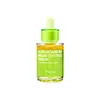
This brightening serum is formulated around Centella Asiatica Leaf Water and Kojic Acid to fade the look of dark spots and brighten dull-looking skin.
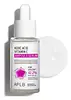
This acne serum is formulated around Azelaic Acid and Melaleuca Alternifolia Leaf Water to clear breakouts and fade the look of dark spots.

What's inside
What's inside
 Key Ingredients
Benefits
Concerns
Ingredients Side-by-side
Water
Skin ConditioningCentella Asiatica Leaf Water
Skin Conditioning


Butylene Glycol
Humectant
Propanediol
Solvent
Glycerin
Humectant
Diethoxyethyl Succinate
SolventKojic Acid
Antioxidant



Ascorbic Acid
Antioxidant


Madecassic Acid
Skin Conditioning
Asiaticoside
Antioxidant
Asiatic Acid
Skin Conditioning
Squalane
Emollient
Solanum Melongena Fruit Extract
Skin ConditioningMelaleuca Alternifolia Leaf Extract
Perfuming
Beta-Glucan
Skin Conditioning
Hippophae Rhamnoides Fruit Extract
Skin Conditioning
Nelumbo Nucifera Extract
Skin ConditioningArtemisia Annua Extract
Masking
Oryza Sativa Extract
Absorbent
Saccharomyces Ferment
Skin Conditioning

Dipropylene Glycol
HumectantSodium Citrate
BufferingSodium Hyaluronate
Humectant
Allantoin
Skin Conditioning
Cellulose Gum
Emulsion StabilisingDisodium EDTA
ChelatingGlyceryl Acrylate/Acrylic Acid Copolymer
HumectantCitric Acid
Buffering
Xanthan Gum
EmulsifyingInulin
Skin Conditioning
Cellulose
Absorbent
Glucose
Humectant
Fructose
Humectant
Panthenol
Skin Conditioning
Ethylhexylglycerin
Skin ConditioningHydroxyacetophenone
Antioxidant
Sodium Polyacryloyldimethyl Taurate
Emulsion StabilisingDipotassium Glycyrrhizate
Humectant
1,2-Hexanediol
Skin Conditioning
Water, Centella Asiatica Leaf Water, Butylene Glycol, Propanediol, Glycerin, Diethoxyethyl Succinate, Kojic Acid, Ascorbic Acid, Madecassic Acid, Asiaticoside, Asiatic Acid, Squalane, Solanum Melongena Fruit Extract, Melaleuca Alternifolia Leaf Extract, Beta-Glucan, Hippophae Rhamnoides Fruit Extract, Nelumbo Nucifera Extract, Artemisia Annua Extract, Oryza Sativa Extract, Saccharomyces Ferment, Dipropylene Glycol, Sodium Citrate, Sodium Hyaluronate, Allantoin, Cellulose Gum, Disodium EDTA, Glyceryl Acrylate/Acrylic Acid Copolymer, Citric Acid, Xanthan Gum, Inulin, Cellulose, Glucose, Fructose, Panthenol, Ethylhexylglycerin, Hydroxyacetophenone, Sodium Polyacryloyldimethyl Taurate, Dipotassium Glycyrrhizate, 1,2-Hexanediol
Water
Skin ConditioningAzelaic Acid
Buffering


Melaleuca Alternifolia Leaf Water
Antimicrobial
Butylene Glycol
Humectant
Caprylic/Capric Triglyceride
Masking
Hydroxypropyl Cyclodextrin
MaskingDisodium Phosphate
Buffering1,2-Hexanediol
Skin Conditioning
Glycerin
Humectant
Niacinamide
Smoothing
Maltodextrin
Absorbent
Hydroxyethylcellulose
Emulsion StabilisingCoptis Japonica Root Extract
Skin ConditioningAgar
MaskingGellan Gum
Kojic Acid
Antioxidant
Ethylhexylglycerin
Skin ConditioningHydroxydecyl Ubiquinone
Antioxidant
Adenosine
Skin Conditioning
Trisodium Ethylenediamine Disuccinate
ChelatingMalachite Extract
Antioxidant
Melaleuca Alternifolia Leaf Oil
Antioxidant



Arginine
Masking
Xanthan Gum
EmulsifyingTocopherol
Antioxidant
Glutathione
Bisabolol
Antioxidant
Helianthus Annuus Seed Oil
Emollient
Xanthophylls
Skin ConditioningWater, Azelaic Acid, Melaleuca Alternifolia Leaf Water, Butylene Glycol, Caprylic/Capric Triglyceride, Hydroxypropyl Cyclodextrin, Disodium Phosphate, 1,2-Hexanediol, Glycerin, Niacinamide, Maltodextrin, Hydroxyethylcellulose, Coptis Japonica Root Extract, Agar, Gellan Gum, Kojic Acid, Ethylhexylglycerin, Hydroxydecyl Ubiquinone, Adenosine, Trisodium Ethylenediamine Disuccinate, Malachite Extract, Melaleuca Alternifolia Leaf Oil, Arginine, Xanthan Gum, Tocopherol, Glutathione, Bisabolol, Helianthus Annuus Seed Oil, Xanthophylls
Reviews
Ingredients Explained
These ingredients are found in both products.
Ingredients higher up in an ingredient list are typically present in a larger amount.
1,2-Hexanediol is a synthetic liquid and another multi-functional powerhouse.
It is a:
- Humectant, drawing moisture into the skin
- Emollient, helping to soften skin
- Solvent, dispersing and stabilizing formulas
- Preservative booster, enhancing the antimicrobial activity of other preservatives
Butylene Glycol (or BG) is used within cosmetic products for a few different reasons:
Overall, Butylene Glycol is a safe and well-rounded ingredient that works well with other ingredients.
Though this ingredient works well with most skin types, some people with sensitive skin may experience a reaction such as allergic rashes, closed comedones, or itchiness.
Learn more about Butylene GlycolEthylhexylglycerin is created from glycerin. It is a multitasker ingredient that:
The CIR Expert Panel found minimal skin absorption or sensitization of any kind in a safety assessment. Though this ingredient is considered well-tolerated, a small number of cases of allergic dermatitis have been published since 2002. Just be sure to patch test if you are unsure.
Industry-reported use ranges from 8% in rinse-off products and 2% in leave-on formulations.
Learn more about EthylhexylglycerinGlycerin (or glycerol) is a compound naturally found in your skin. It's a powerhouse humectant that pulls water into the stratum corneum.
Topically, glycerin does several things at once:
Your skin makes glycerin on its own (mostly from sebaceous oil breakdown) and shuttles it to your outermost layer of skin, or your epidermis, via aquaporin-3.
Aquaporin-3 is a transporter that is essential for normal skin hydration, elasticity, and repair. Interestingly, mice lacking in AQP3 have dry and less elastic skin that can be fully corrected with glycerin.
This ingredient is non-irritating, plays well with almost every ingredient, and works across all skin types. Typical use is anywhere between 3-10% but can go up to 79% in some leave-on products.
Just know very high concentrations (>40%) can feel tacky in low humidity.
Glycerin is the name for this ingredient in American English. British English uses Glycerol/Glycerine.
Learn more about GlycerinKojic Acid is a naturally occurring organic acid that is produced during the fermentation of certain fungi. It is one of the most well-studied brightening ingredients (tyrosinase inhibitors) out there.
That's why you'll see Kojic Acid in products that target dark spots, hyperpigmentation, and general uneven skin tone. It also pairs well with other brightening actives like Alpha Arbutin, Glycolic Acid, and Vitamin C derivatives.
By latching onto the copper that the enzyme tyrosinase needs to function, Kojic Acid prevents less pigment from being made. It's so well-established that researchers regularly use it as the go-to benchmark when testing new brightening ingredients.
Some other perks include documented antioxidant and antimicrobial properties. The The CIR (Cosmetic Ingredient Review) Expert Panel concluded Kojic Acid is safe for use in cosmetic products at concentrations up to 1% and the EU's SCCS (Scientific Committee on Consumer Safety) considers it safe as a skin lightening agent at concentrations up to 0.7%.
One thing to know about Kojic Acid is that stability is its weak spot; it is sensitive to light, heat, and air exposure and will oxidize/turn brown in formulations. Its derivative, Kojic Dipalmitate, was developed as a stable alternative.
Some individuals have reported contact sensitization so be sure to patch test if you have reactive or sensitive skin.
Fun fact: It was first discovered in 1907 and naturally occurs in the production of sake, soy sauce, and miso.
Learn more about Kojic AcidWater. It's the most common cosmetic ingredient of all. You'll usually see it at the top of ingredient lists, meaning that it makes up the largest part of the product.
So why is it so popular? Water most often acts as a solvent - this means that it helps dissolve other ingredients into the formulation.
You'll also recognize water as that liquid we all need to stay alive. If you see this, drink a glass of water. Remember to stay hydrated!
Learn more about WaterXanthan gum is used as a stabilizer and thickener within cosmetic products. It helps give products a sticky, thick feeling - preventing them from being too runny.
On the technical side of things, xanthan gum is a polysaccharide - a combination consisting of multiple sugar molecules bonded together.
Xanthan gum is a pretty common and great ingredient. It is a natural, non-toxic, non-irritating ingredient that is also commonly used in food products.
Learn more about Xanthan Gum

