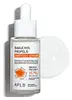
This anti-aging serum is formulated around Bakuchiol and Propolis Extract to soften the look of wrinkles and calm redness.
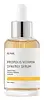
This calming serum is formulated around Hippophae Rhamnoides Fruit Extract and Niacinamide to calm redness and brighten dull-looking skin.

What's inside
What's inside
 Key Ingredients
Benefits
Concerns
Ingredients Side-by-side
Water
Skin ConditioningCentella Asiatica Leaf Water
Skin Conditioning


Butylene Glycol
Humectant
Propanediol
Solvent
1,2-Hexanediol
Skin Conditioning
Glycerin
Humectant
Diethoxyethyl Succinate
SolventPanthenol
Skin Conditioning
Hydroxyacetophenone
Antioxidant
Sodium Polyacryloyldimethyl Taurate
Emulsion StabilisingAllantoin
Skin Conditioning
Cellulose Gum
Emulsion StabilisingDisodium EDTA
ChelatingCitric Acid
Buffering


Dipotassium Glycyrrhizate
Humectant
Xanthan Gum
EmulsifyingInulin
Skin Conditioning
Bakuchiol
Antimicrobial




Glyceryl Acrylate/Acrylic Acid Copolymer
HumectantCellulose
Absorbent
Fructose
Humectant
Glucose
Humectant
Dipropylene Glycol
HumectantSqualane
Emollient
C12-14 Alketh-12
EmulsifyingAsiaticoside
Antioxidant
Madecassic Acid
Skin Conditioning
Asiatic Acid
Skin Conditioning
Propolis Extract
Skin Conditioning

Sodium Hyaluronate
Humectant
Melaleuca Alternifolia Leaf Extract
Perfuming
Hippophae Rhamnoides Fruit Extract
Skin Conditioning
Hydrolyzed Collagen
Emollient
Beta-Glucan
Skin Conditioning
Caprylyl Glycol
Emollient
Nelumbium Speciosum Flower Extract
Skin ConditioningArtemisia Annua Extract
Masking
Oryza Sativa Extract
Absorbent
Saccharomyces Ferment
Skin Conditioning
Solanum Melongena Fruit Extract
Skin ConditioningWater, Centella Asiatica Leaf Water, Butylene Glycol, Propanediol, 1,2-Hexanediol, Glycerin, Diethoxyethyl Succinate, Panthenol, Hydroxyacetophenone, Sodium Polyacryloyldimethyl Taurate, Allantoin, Cellulose Gum, Disodium EDTA, Citric Acid, Dipotassium Glycyrrhizate, Xanthan Gum, Inulin, Bakuchiol, Glyceryl Acrylate/Acrylic Acid Copolymer, Cellulose, Fructose, Glucose, Dipropylene Glycol, Squalane, C12-14 Alketh-12, Asiaticoside, Madecassic Acid, Asiatic Acid, Propolis Extract, Sodium Hyaluronate, Melaleuca Alternifolia Leaf Extract, Hippophae Rhamnoides Fruit Extract, Hydrolyzed Collagen, Beta-Glucan, Caprylyl Glycol, Nelumbium Speciosum Flower Extract, Artemisia Annua Extract, Oryza Sativa Extract, Saccharomyces Ferment, Solanum Melongena Fruit Extract
Water
Skin ConditioningGlycerin
Humectant
Hippophae Rhamnoides Fruit Extract
Skin Conditioning
1,2-Hexanediol
Skin Conditioning
Niacinamide
Smoothing

Butylene Glycol
Humectant
Propolis Extract
Skin Conditioning
Sodium Hyaluronate
Humectant
Glycosyl Trehalose
Emulsion StabilisingHydrogenated Starch Hydrolysate
HumectantDipropylene Glycol
HumectantCentella Asiatica Extract
Cleansing
Polygonum Cuspidatum Root Extract
Antioxidant
Scutellaria Baicalensis Root Extract
Astringent
Camellia Sinensis Leaf Extract
Antimicrobial
Chamomilla Recutita Flower Extract
Masking
Rosmarinus Officinalis Leaf Extract
AntimicrobialSaccharomyces/Viscum Album Ferment Extract
Skin Conditioning
Lactobacillus/Soybean Ferment Extract
Skin ConditioningSaccharomyces/Imperata Cylindrica Root Ferment Extract
Emollient
Punica Granatum Fruit Extract
Antioxidant
Ficus Carica Fruit Extract
Humectant
Morus Alba Fruit Extract
Antioxidant
Ginkgo Biloba Nut Extract
Skin ConditioningHydroxyethylcellulose
Emulsion StabilisingCarbomer
Emulsion StabilisingArginine
Masking
Dipotassium Glycyrrhizate
Humectant
Allantoin
Skin Conditioning
Adenosine
Skin Conditioning
Citrus Aurantium Bergamia Fruit Oil
Masking


Water, Glycerin, Hippophae Rhamnoides Fruit Extract, 1,2-Hexanediol, Niacinamide, Butylene Glycol, Propolis Extract, Sodium Hyaluronate, Glycosyl Trehalose, Hydrogenated Starch Hydrolysate, Dipropylene Glycol, Centella Asiatica Extract, Polygonum Cuspidatum Root Extract, Scutellaria Baicalensis Root Extract, Camellia Sinensis Leaf Extract, Chamomilla Recutita Flower Extract, Rosmarinus Officinalis Leaf Extract, Saccharomyces/Viscum Album Ferment Extract, Lactobacillus/Soybean Ferment Extract, Saccharomyces/Imperata Cylindrica Root Ferment Extract, Punica Granatum Fruit Extract, Ficus Carica Fruit Extract, Morus Alba Fruit Extract, Ginkgo Biloba Nut Extract, Hydroxyethylcellulose, Carbomer, Arginine, Dipotassium Glycyrrhizate, Allantoin, Adenosine, Citrus Aurantium Bergamia Fruit Oil
Reviews
Ingredients Explained
These ingredients are found in both products.
Ingredients higher up in an ingredient list are typically present in a larger amount.
1,2-Hexanediol is a synthetic liquid and another multi-functional powerhouse.
It is a:
- Humectant, drawing moisture into the skin
- Emollient, helping to soften skin
- Solvent, dispersing and stabilizing formulas
- Preservative booster, enhancing the antimicrobial activity of other preservatives
Allantoin is a soothing ingredient known for its protective and moisturizing properties; it's basically a quiet workhorse ingredient you can find in a huge range of cosmetics.
Though it can be derived from the comfrey plant, allantoin is produced synthetically for cosmetic products to ensure purity.
Research shows it can encourage your skin cells to turn over and renew by stimulating keratinocyte and fibroblast proliferation.
It also has mild keratolytic properties to help loosen and shed dead skin cells without being harsh.
Studies also suggest allantoin can help calm inflammation by dialing down some of the chemical signals your skin sends out when it is irritated.
This ingredient is typically used in the 0.1-0.5% range, and the FDA recognizes it as a skin protectant in OTC products up to 2%.
Overall, allantoin is a wonderful addition to most routines; it is stable across a wide pH range (~4-8), works well with other ingredients, and is considered non-sensitizing/non-irritating.
Fun fact: Allantoin is naturally occurring in comfrey root, beets, chamomile, and wheat sprouts. Our bodies even produce it as a byproduct of uric acid metabolism.
Learn more about AllantoinButylene Glycol (or BG) is used within cosmetic products for a few different reasons:
Overall, Butylene Glycol is a safe and well-rounded ingredient that works well with other ingredients.
Though this ingredient works well with most skin types, some people with sensitive skin may experience a reaction such as allergic rashes, closed comedones, or itchiness.
Learn more about Butylene GlycolDipotassium Glycyrrhizate comes from licorice root.
Extracts of licorice have demonstrated to have antibacterial, anti‐inflammatory, antiviral, antioxidant properties.
One component, glabridin, has extra potent antioxidant and soothing properties. It has also been found to block pigmentation from UVB rays in guinea pigs.
Licorice Root also contains a flavonoid. Flavonoids are a natural substance from in plants. Flavonoids also have antioxidant properties.
Another component, glycyrrhizin, has been found to have anti-inflammatory and antimicrobial benefits. This may make licorice root extract effective at treating acne. However, more research is needed to support this.
Liquiritin is one of the flavone compounds found in licorice. It has been found to help lighten skin by preventing tyrosinase from reacting with tyrosine. When the two react, protein is converted to melanin. Melanin is the substance in your body that gives your features pigmentation.
Licorice root is native to Southern Europe and Asia. It has been used in traditional Chinese medicine to help with respiratory issues.
Learn more about Dipotassium GlycyrrhizateDipropylene Glycol is a synthetically created humectant, stabilizer, and solvent.
This ingredient helps:
Dipropylene glycol is technically an alcohol, but it belongs to the glycol family (often considered part of the ‘good’ alcohols). This means it is hydrating and gentle on skin unlike drying solvent alcohols like denatured alcohol.
As a masking agent, Dipropylene Glycol can be used to cover the smell of other ingredients. However, it does not have a scent.
Studies show Dipropylene Glycol is considered safe to use in skincare.
Learn more about Dipropylene GlycolGlycerin (or glycerol) is a compound naturally found in your skin. It's a powerhouse humectant that pulls water into the stratum corneum.
Topically, glycerin does several things at once:
Your skin makes glycerin on its own (mostly from sebaceous oil breakdown) and shuttles it to your outermost layer of skin, or your epidermis, via aquaporin-3.
Aquaporin-3 is a transporter that is essential for normal skin hydration, elasticity, and repair. Interestingly, mice lacking in AQP3 have dry and less elastic skin that can be fully corrected with glycerin.
This ingredient is non-irritating, plays well with almost every ingredient, and works across all skin types. Typical use is anywhere between 3-10% but can go up to 79% in some leave-on products.
Just know very high concentrations (>40%) can feel tacky in low humidity.
Glycerin is the name for this ingredient in American English. British English uses Glycerol/Glycerine.
Learn more about GlycerinHippophae Rhamnoides Fruit Extract comes from the seabuckthorn berry. This berry is native to Asia and has been used in traditional medicine for centuries.
The seabuckthorn fruit contains carotenoids, palmitic acid, palmitoleic acid, Vitamin C, linoleic acid, and vitamin E.
The nutritious content of seabuckthorn fruit helps hydrate and nourish the skin. A study from 2018 found seabuckthorn may help with alleviating UV damage due to its anti-inflammatory property. However, it should not replace your sunscreen.
Due to its antioxidant properties, seabuckthorn fruit may help reduce the signs of aging. Antioxidants help fight unstable free-radical molecules, or molecules that may damage your skin cells.
Learn more about Hippophae Rhamnoides Fruit ExtractPropolis Extract is a natural ingredient derived from propolis (also known as bee glue). Bees make propolis by mixing their saliva and beeswax with resins collected from tree buds and plants.
This ingredient is packed with bioactive compounds like flavonoids, phenolic acids, and amino acids that give it antioxidant and anti-inflammatory properties.
Research shows it can help:
It also pairs nicely with hydrating ingredients like niacinamide and ceramides.
Just so you know, Propolis Extract is recognized as a contact allergen. In patch tests done in the EU, roughly 1-6% of patients react to it. Be sure to steer clear of this ingredient if you have a known allergy to bee products.
Since it is an animal-derived product, this ingredient is not considered vegan. For vegan alternatives, check out Galactomyces Ferment Filtrate or Centella Asiatica Extract.
Learn more about Propolis ExtractSodium Hyaluronate is the salt form of hyaluronic acid. It is a long sugar chain that is naturally found in your skin, joints, and connective tissue that maintains hydration and elasticity.
In skincare, it works as a humectant. It pulls water from the environment and deeper layers of skin and binds it to the surface.
Interestingly, the size of the molecule affects its behavior:
Some clinical evidence links low molecular weight versions to improved wrinkle depth, elasticity, anti-inflammatory effects, and barrier repair.
Many serums use a blend of both weights so you can get surface hydration plus longer-lasting and deeper effects.
You'll typically see concentrations between 0.1-2% for this ingredient.
Learn more about Sodium HyaluronateWater. It's the most common cosmetic ingredient of all. You'll usually see it at the top of ingredient lists, meaning that it makes up the largest part of the product.
So why is it so popular? Water most often acts as a solvent - this means that it helps dissolve other ingredients into the formulation.
You'll also recognize water as that liquid we all need to stay alive. If you see this, drink a glass of water. Remember to stay hydrated!
Learn more about Water

