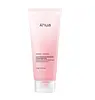
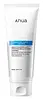
Anua Peach Niacin Spread Cleansing Foam Versus Anua 8 Hyaluronic Acid Hydrating Gentle Foaming Cleanser
This mild foaming cleanser is made to cleanse without leaving your skin tight or dry.

What's inside
What's inside
 Key Ingredients
Benefits
Concerns
No concerns
Ingredients Side-by-side
Water
Skin ConditioningPrunus Persica Fruit Water
Masking
Glycerin
Humectant


Potassium Laurate
EmulsifyingCellulose
Absorbent
Potassium Myristate
EmulsifyingAcrylates Copolymer
1,2-Hexanediol
Skin Conditioning
Betaine
Humectant
Prunus Persica Seed Powder
Abrasive
Hydroxyacetophenone
Antioxidant
Potassium Hydroxide
BufferingPolyquaternium-22
Lactobacillus Ferment
Skin Conditioning
Ethylhexylglycerin
Skin ConditioningParfum
Masking



Gardenia Florida Fruit Extract
Skin ConditioningSodium Phytate
ChelatingDextrin
AbsorbentNiacinamide
Smoothing






Cyanocobalamin
Skin ConditioningButylene Glycol
Humectant
Hydrogenated Lecithin
Emulsifying
Centella Asiatica Extract
Cleansing
Ficus Carica Fruit Extract
Humectant
Sodium Hyaluronate
Humectant
Glyceryl Glucoside
Humectant
Beta-Glucan
Skin Conditioning
Ceramide NP
Skin Conditioning
Pueraria Lobata Root Extract
HumectantPinus Palustris Leaf Extract
TonicUlmus Davidiana Root Extract
Skin Conditioning
Oenothera Biennis Flower Extract
AstringentLinolenic Acid
Cleansing
Acrylates/C10-30 Alkyl Acrylate Crosspolymer
Emulsion StabilisingAmmonium Acryloyldimethyltaurate/Vp Copolymer
Hydroxypropyl Starch Phosphate
Capryloyl Salicylic Acid
Exfoliating
Prunus Armeniaca Fruit Extract
Skin ConditioningWater, Prunus Persica Fruit Water, Glycerin, Potassium Laurate, Cellulose, Potassium Myristate, Acrylates Copolymer, 1,2-Hexanediol, Betaine, Prunus Persica Seed Powder, Hydroxyacetophenone, Potassium Hydroxide, Polyquaternium-22, Lactobacillus Ferment, Ethylhexylglycerin, Parfum, Gardenia Florida Fruit Extract, Sodium Phytate, Dextrin, Niacinamide, Cyanocobalamin, Butylene Glycol, Hydrogenated Lecithin, Centella Asiatica Extract, Ficus Carica Fruit Extract, Sodium Hyaluronate, Glyceryl Glucoside, Beta-Glucan, Ceramide NP, Pueraria Lobata Root Extract, Pinus Palustris Leaf Extract, Ulmus Davidiana Root Extract, Oenothera Biennis Flower Extract, Linolenic Acid, Acrylates/C10-30 Alkyl Acrylate Crosspolymer, Ammonium Acryloyldimethyltaurate/Vp Copolymer, Hydroxypropyl Starch Phosphate, Capryloyl Salicylic Acid, Prunus Armeniaca Fruit Extract
Water
Skin ConditioningGlycerin
Humectant
Sodium Cocoyl Glycinate
Cleansing
Lauryl Hydroxysultaine
CleansingCoco-Glucoside
Cleansing
Sodium Lauroyl Glutamate
SurfactantQuillaja Saponaria Bark Extract
CleansingHydrolyzed Vegetable Protein
Skin ConditioningHydroxypropyltrimonium Hyaluronate
Sodium Hyaluronate
Humectant
Hydrolyzed Hyaluronic Acid
Humectant
Sodium Acetylated Hyaluronate
Humectant
Hyaluronic Acid
Humectant
Hydrolyzed Sodium Hyaluronate
Skin Conditioning
Sodium Hyaluronate Crosspolymer
Humectant
Potassium Hyaluronate
Skin ConditioningPanthenol
Skin Conditioning
Zinc PCA
Humectant
Decyl Glucoside
Cleansing
Hectorite
AbsorbentPentylene Glycol
Skin Conditioning
Caprylyl Glycol
Emollient
Hydroxypropyl Starch Phosphate
1,2-Hexanediol
Skin Conditioning
Betaine
Humectant
Polyquaternium-67
Acrylates/C10-30 Alkyl Acrylate Crosspolymer
Emulsion StabilisingCitric Acid
Buffering
Sodium Chloride
MaskingSodium Phytate
ChelatingSodium Cocoyl Isethionate
Cleansing
Maltodextrin
Absorbent
Water, Glycerin, Sodium Cocoyl Glycinate, Lauryl Hydroxysultaine, Coco-Glucoside, Sodium Lauroyl Glutamate, Quillaja Saponaria Bark Extract, Hydrolyzed Vegetable Protein, Hydroxypropyltrimonium Hyaluronate, Sodium Hyaluronate, Hydrolyzed Hyaluronic Acid, Sodium Acetylated Hyaluronate, Hyaluronic Acid, Hydrolyzed Sodium Hyaluronate, Sodium Hyaluronate Crosspolymer, Potassium Hyaluronate, Panthenol, Zinc PCA, Decyl Glucoside, Hectorite, Pentylene Glycol, Caprylyl Glycol, Hydroxypropyl Starch Phosphate, 1,2-Hexanediol, Betaine, Polyquaternium-67, Acrylates/C10-30 Alkyl Acrylate Crosspolymer, Citric Acid, Sodium Chloride, Sodium Phytate, Sodium Cocoyl Isethionate, Maltodextrin
Reviews
Ingredients Explained
These ingredients are found in both products.
Ingredients higher up in an ingredient list are typically present in a larger amount.
1,2-Hexanediol is a synthetic liquid and another multi-functional powerhouse.
It is a:
- Humectant, drawing moisture into the skin
- Emollient, helping to soften skin
- Solvent, dispersing and stabilizing formulas
- Preservative booster, enhancing the antimicrobial activity of other preservatives
Acrylates/C10-30 Alkyl Acrylate Crosspolymer is a synthetic polymer. It is used to thicken, emulsify, and improve the texture of products.
As an emulsifier, it helps stabilize oil-in-water emulsions to give products an elegant feel when applied.
It can also form a thin protective film on skin. One study found that a formula using this polymer helped slow down how quickly other ingredients (like DEET) were absorbed through skin.
A 2024 study of over 1,300 patients confirmed that sensitization to this ingredient is rare. It is also non-mutagenic and has a clean track record.
Learn more about Acrylates/C10-30 Alkyl Acrylate CrosspolymerBetaine is a humectant. Like hyaluronic acid, it helps attract and retain moisture in the skin. It’s known for being gentle and for helping the skin maintain balanced hydration.
Betaine is mainly used to improve hydration and support calmer skin. It helps skin cells regulate water balance because it functions as an osmolyte.
Some studies suggest betaine may support making skin tone more even.
Fun fact: Betaine naturally exists in the skin and the body. In cosmetic products, it can be either plant-derived (most commonly from sugar beets) or synthetically produced for consistency and stability.
Betaine is also known as trimethylglycine.
Learn more about BetaineGlycerin (or glycerol) is a compound naturally found in your skin. It's a powerhouse humectant that pulls water into the stratum corneum.
Topically, glycerin does several things at once:
Your skin makes glycerin on its own (mostly from sebaceous oil breakdown) and shuttles it to your outermost layer of skin, or your epidermis, via aquaporin-3.
Aquaporin-3 is a transporter that is essential for normal skin hydration, elasticity, and repair. Interestingly, mice lacking in AQP3 have dry and less elastic skin that can be fully corrected with glycerin.
This ingredient is non-irritating, plays well with almost every ingredient, and works across all skin types. Typical use is anywhere between 3-10% but can go up to 79% in some leave-on products.
Just know very high concentrations (>40%) can feel tacky in low humidity.
Glycerin is the name for this ingredient in American English. British English uses Glycerol/Glycerine.
Learn more about GlycerinHydroxypropyl Starch Phosphate is a modified starch used to help thicken a product.
It is also used in foods.
Sodium Hyaluronate is the salt form of hyaluronic acid. It is a long sugar chain that is naturally found in your skin, joints, and connective tissue that maintains hydration and elasticity.
In skincare, it works as a humectant. It pulls water from the environment and deeper layers of skin and binds it to the surface.
Interestingly, the size of the molecule affects its behavior:
Some clinical evidence links low molecular weight versions to improved wrinkle depth, elasticity, anti-inflammatory effects, and barrier repair.
Many serums use a blend of both weights so you can get surface hydration plus longer-lasting and deeper effects.
You'll typically see concentrations between 0.1-2% for this ingredient.
Learn more about Sodium HyaluronateSodium Phytate is the sodium salt of Phytic acid, a compound that plants store phosphorus in. It's the plant-derived alternative to ingredients like Disodium EDTA.
In skincare, this ingredient is a chelator that grabs onto trace metal ions like iron and copper that sneak into formulas through water/raw materials.
Those metals speed up oxidation so binding them keeps oils, fragrance, and actives from going off, stops color changes, and helps the preservative system work harder.
Survey data shows usage levels range from 0.0099%-0.5% in leave-on products, 0.025%-0.3% in rinse-off, and up to 0.05% in eye-area products. Suppliers typically recommend a range between 0.05-0.5%.
Learn more about Sodium PhytateWater. It's the most common cosmetic ingredient of all. You'll usually see it at the top of ingredient lists, meaning that it makes up the largest part of the product.
So why is it so popular? Water most often acts as a solvent - this means that it helps dissolve other ingredients into the formulation.
You'll also recognize water as that liquid we all need to stay alive. If you see this, drink a glass of water. Remember to stay hydrated!
Learn more about Water

