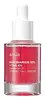
This brightening serum is formulated around Niacinamide and Tranexamic Acid to fade the look of dark spots and brighten dull-looking skin.
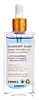
This hydrating oil is formulated around Simmondsia Chinensis Seed Oil to hydrate skin and strengthen the skin barrier.


What's inside
What's inside
 Key Ingredients
Benefits
Concerns
Ingredients Side-by-side
Water
Skin ConditioningGlycerin
Humectant


Niacinamide
Smoothing









Tranexamic Acid
Astringent
Butylene Glycol
Humectant
Diethoxyethyl Succinate
Solvent1,2-Hexanediol
Skin Conditioning
Arbutin
Antioxidant

Sodium Hyaluronate
Humectant
Alpha-Arbutin
Antioxidant
Coccinia Indica Fruit Extract
Skin Conditioning
Eclipta Prostrata Extract
Skin Conditioning
Macadamia Integrifolia Seed Oil
Skin Conditioning


Olea Europaea Fruit Oil
Masking


Simmondsia Chinensis Seed Oil
Emollient
Vitis Vinifera Seed Oil
Emollient
Theobroma Cacao Extract
Skin ConditioningHydrolyzed Hyaluronic Acid
Humectant
Chamaecyparis Obtusa Leaf Extract
Skin ConditioningPrunus Persica Flower Extract
MoisturisingCamellia Sinensis Seed Oil
Humectant
Yeast Ferment Extract
Skin ConditioningCentella Asiatica Extract
Cleansing
Artemisia Princeps Leaf Extract
Skin ConditioningGlucose
Humectant
Hyaluronic Acid
Humectant
Pentylene Glycol
Skin Conditioning
Betaine Salicylate
Antimicrobial

Sucrose Palmitate
EmollientHydrogenated Lecithin
Emulsifying
Gellan Gum
Sodium Phytate
ChelatingCellulose
Absorbent
Caprylic/Capric Triglyceride
Masking
Panthenol
Skin Conditioning
Cyanocobalamin
Skin ConditioningPolyglutamic Acid
Skin Conditioning
3-O-Ethyl Ascorbic Acid
Skin Conditioning
Ceramide NP
Skin Conditioning
Dextrin
AbsorbentAsiaticoside
Antioxidant
Madecassic Acid
Skin Conditioning
Asiatic Acid
Skin Conditioning
Dimethylsilanol Hyaluronate
Humectant
Hydrolyzed Sodium Hyaluronate
Skin Conditioning
Potassium Hyaluronate
Skin ConditioningHydroxypropyltrimonium Hyaluronate
Sodium Hyaluronate Crosspolymer
Humectant
Sodium Hyaluronate Dimethylsilanol
HumectantSodium Acetylated Hyaluronate
Humectant
Xanthan Gum
EmulsifyingWater, Glycerin, Niacinamide, Tranexamic Acid, Butylene Glycol, Diethoxyethyl Succinate, 1,2-Hexanediol, Arbutin, Sodium Hyaluronate, Alpha-Arbutin, Coccinia Indica Fruit Extract, Eclipta Prostrata Extract, Macadamia Integrifolia Seed Oil, Olea Europaea Fruit Oil, Simmondsia Chinensis Seed Oil, Vitis Vinifera Seed Oil, Theobroma Cacao Extract, Hydrolyzed Hyaluronic Acid, Chamaecyparis Obtusa Leaf Extract, Prunus Persica Flower Extract, Camellia Sinensis Seed Oil, Yeast Ferment Extract, Centella Asiatica Extract, Artemisia Princeps Leaf Extract, Glucose, Hyaluronic Acid, Pentylene Glycol, Betaine Salicylate, Sucrose Palmitate, Hydrogenated Lecithin, Gellan Gum, Sodium Phytate, Cellulose, Caprylic/Capric Triglyceride, Panthenol, Cyanocobalamin, Polyglutamic Acid, 3-O-Ethyl Ascorbic Acid, Ceramide NP, Dextrin, Asiaticoside, Madecassic Acid, Asiatic Acid, Dimethylsilanol Hyaluronate, Hydrolyzed Sodium Hyaluronate, Potassium Hyaluronate, Hydroxypropyltrimonium Hyaluronate, Sodium Hyaluronate Crosspolymer, Sodium Hyaluronate Dimethylsilanol, Sodium Acetylated Hyaluronate, Xanthan Gum
Caprylic/Capric Triglyceride
Masking
Cannabis Sativa Seed Oil
Emollient
Simmondsia Chinensis Seed Oil
Emollient
Melia Azadirachta Leaf Extract
Skin ConditioningMelia Azadirachta Flower Extract
Skin ConditioningCorallina Officinalis Extract
Skin Conditioning
Coccinia Indica Fruit Extract
Skin Conditioning
Solanum Melongena Fruit Extract
Skin ConditioningOcimum Sanctum Leaf Extract
Skin ConditioningOcimum Basilicum Flower/Leaf Extract
TonicCurcuma Longa Root Extract
Antioxidant
Vaccinium Myrtillus Seed Oil 100%
Skin Conditioning
Tocopherol
Antioxidant
Ascorbic Acid
Antioxidant
Citric Acid
Buffering
Collagen
Moisturising
Lactic Acid
Buffering
Salicylic Acid
Masking

Caprylic/Capric Triglyceride, Cannabis Sativa Seed Oil, Simmondsia Chinensis Seed Oil, Melia Azadirachta Leaf Extract, Melia Azadirachta Flower Extract, Corallina Officinalis Extract, Coccinia Indica Fruit Extract, Solanum Melongena Fruit Extract, Ocimum Sanctum Leaf Extract, Ocimum Basilicum Flower/Leaf Extract, Curcuma Longa Root Extract, Vaccinium Myrtillus Seed Oil 100%, Tocopherol, Ascorbic Acid, Citric Acid, Collagen, Lactic Acid, Salicylic Acid
Reviews
Alternatives
Ingredients Explained
These ingredients are found in both products.
Ingredients higher up in an ingredient list are typically present in a larger amount.
Caprylic/Capric Triglyceride (aka MCT Oil) is a lightweight emollient, solvent, and texture enhancer. It is considered a skin-softener by helping to prevent moisture loss.
Though it behaves like an oil, it is not technically one due to its chemical composition. One perk of this ingredient is that it is very stable, resistant to oxidation, and unlikely to go rancid.
In practice, that translates to a long shelf life and a consistently elegant skin feel.
While there is an assumption Caprylic Triglyceride can clog pores due to it being derived from coconut oil, there is no research supporting this. Just patch test if you have concerns.
Fractionated coconut oil and MCT Oil are both listed as Caprylic/Capric Triglyceride according to INCI. This is because INCI names are based on the ingredient’s final chemical composition and not its marketing name or source.
This ingredient is treated as the gold standard fungal acne safe oil. Even though it is coconut derived, the problematic lauric acid is stripped out.
This leaves just caprylic (C8) and capric (C10) acid. These chain lengths actually trend antifungal; a 2020 study found caprylic acid was enough to disrupt Malassezia furfur cell membrane, with a caprylic acid derivative damaging membrane structures at concentrations as low as 0.2%.
Learn more about Caprylic/Capric TriglycerideCoccinia Indica Fruit Extract is also known as Ivy Gourd Fruit Extract. It has skin conditioning properties.
The fruit is rich in flavonoids, phenolic acids, terpenoids, and sterols that show antioxidant and anti-inflammatory effect in vitro. This is because the fruit contains a thick mucilage that forms a protective and soothing layer on the skin's surface.
The extract itself has demonstrated antioxidant, soothing, and potential anti-allergy properties.
Most of this research is done in vitro and dedicated clinical studies on topical application are still limited.
Learn more about Coccinia Indica Fruit ExtractJojoba oil is one of the most well-studied plant-derived ingredients in cosmetics. It is an emollient with a special structure.
Because it is made up of 97-98% wax esters, it closely mirrors the linear monoesters found in human sebum. This makes it skin compatible, non-greasy, and lightweight.
Unlike other plant oils, jojoba wax doesn't easily penetrate skin. It mostly works in the uppermost layers as an emollient. This just means it forms a light barrier on the skin to help retain moisture.
Formulations with jojoba esters up to 90% reduced transepidermal water loss (TEWL) and increased barrier recovery by 81% (outperforming bisabolol at 47%).
Besides barrier support, the science also suggests jojoba to have anti-inflammatory effects and potential applications for skin infections, aging, and wound healing.
Fun fact: Indigenous cultures have used jojoba as a moisturizer and to help treat burns for centuries.
Fungal acne: The Malassezia yeast is known to metabolize fatty acids in the C11-24 range and jojoba's dominant fatty acid components fall into this range. This ingredient may not be fungal acne safe.
Learn more about Simmondsia Chinensis Seed Oil

