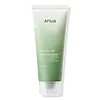
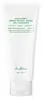
Anua Heartleaf Quercetinol Pore Deep Cleansing Foam Versus Dr. Althea Green Relief Amino Gel Cleanser
This betaine salicylate foaming cleanser is formulated around Betaine Salicylate to clear breakouts and unclog pores.
This mild gel cleanser is made to cleanse while calming and soothing your skin.

What's inside
What's inside
 Key Ingredients
Benefits
Concerns
No concerns
Ingredients Side-by-side
Houttuynia Cordata Flower/Leaf/Stem Water
Antimicrobial
Glycerin
Humectant


Sodium Cocoyl Glycinate
Cleansing
Water
Skin ConditioningSodium Lauroyl Glutamate
SurfactantDisodium Cocoamphodiacetate
CleansingCoco-Glucoside
Cleansing
Decyl Glucoside
Cleansing
Hectorite
AbsorbentSodium Chloride
Masking1,2-Hexanediol
Skin Conditioning
Betaine Salicylate
Antimicrobial





Potassium Benzoate
Preservative
Houttuynia Cordata Powder
Skin ConditioningPolyquaternium-67
Acrylates/C10-30 Alkyl Acrylate Crosspolymer
Emulsion StabilisingButylene Glycol
Humectant
Gardenia Florida Fruit Extract
Skin ConditioningDextrin
AbsorbentDisodium EDTA
ChelatingEucalyptus Globulus Leaf Oil
Perfuming



Ethylhexylglycerin
Skin ConditioningSodium Acetate
BufferingIsopropyl Alcohol
Solvent


Pinus Palustris Leaf Extract
TonicUlmus Davidiana Root Extract
Skin Conditioning
Oenothera Biennis Flower Extract
AstringentPueraria Lobata Root Extract
HumectantPentylene Glycol
Skin Conditioning
Capryloyl Salicylic Acid
Exfoliating

Tocopherol
Antioxidant



Hydrolyzed Hyaluronic Acid
Humectant
Hyaluronic Acid
Humectant
Hydrolyzed Sodium Hyaluronate
Skin Conditioning
Sodium Hyaluronate
Humectant
Potassium Hyaluronate
Skin ConditioningHydroxypropyltrimonium Hyaluronate
Sodium Hyaluronate Crosspolymer
Humectant
Sodium Acetylated Hyaluronate
Humectant
Quercetin
Antioxidant
Houttuynia Cordata Flower/Leaf/Stem Water, Glycerin, Sodium Cocoyl Glycinate, Water, Sodium Lauroyl Glutamate, Disodium Cocoamphodiacetate, Coco-Glucoside, Decyl Glucoside, Hectorite, Sodium Chloride, 1,2-Hexanediol, Betaine Salicylate, Potassium Benzoate, Houttuynia Cordata Powder, Polyquaternium-67, Acrylates/C10-30 Alkyl Acrylate Crosspolymer, Butylene Glycol, Gardenia Florida Fruit Extract, Dextrin, Disodium EDTA, Eucalyptus Globulus Leaf Oil, Ethylhexylglycerin, Sodium Acetate, Isopropyl Alcohol, Pinus Palustris Leaf Extract, Ulmus Davidiana Root Extract, Oenothera Biennis Flower Extract, Pueraria Lobata Root Extract, Pentylene Glycol, Capryloyl Salicylic Acid, Tocopherol, Hydrolyzed Hyaluronic Acid, Hyaluronic Acid, Hydrolyzed Sodium Hyaluronate, Sodium Hyaluronate, Potassium Hyaluronate, Hydroxypropyltrimonium Hyaluronate, Sodium Hyaluronate Crosspolymer, Sodium Acetylated Hyaluronate, Quercetin
Water
Skin ConditioningGlycerin
Humectant
Sodium Cocoyl Alaninate
Surfactant
Disodium Cocoamphodiacetate
CleansingSodium Methyl Cocoyl Taurate
Cleansing
Acrylates/C10-30 Alkyl Acrylate Crosspolymer
Emulsion StabilisingBetula Platyphylla Japonica Juice
Skin Conditioning
Sodium Chloride
MaskingBetaine
Humectant
Lauryl Hydroxysultaine
Cleansing1,2-Hexanediol
Skin Conditioning
Caprylyl Glycol
Emollient
Coco-Glucoside
Cleansing
Potassium Cocoyl Glycinate
Surfactant
Citric Acid
Buffering
Sodium Cocoyl Isethionate
Cleansing
Sodium Phytate
ChelatingCaprylic/Capric Triglyceride
Masking
Dextrin
AbsorbentButylene Glycol
Humectant
Hydrogenated Lecithin
Emulsifying
Gardenia Florida Fruit Extract
Skin ConditioningHexylene Glycol
EmulsifyingQuillaja Saponaria Bark Extract
CleansingCeramide NP
Skin Conditioning
Glyceryl Caprylate
EmollientCynanchum Atratum Extract
Skin ConditioningEthylhexylglycerin
Skin ConditioningAlthaea Rosea Flower Extract
Skin ConditioningHydrolyzed Hyaluronic Acid
Humectant
Houttuynia Cordata Extract
Skin Conditioning
Water, Glycerin, Sodium Cocoyl Alaninate, Disodium Cocoamphodiacetate, Sodium Methyl Cocoyl Taurate, Acrylates/C10-30 Alkyl Acrylate Crosspolymer, Betula Platyphylla Japonica Juice, Sodium Chloride, Betaine, Lauryl Hydroxysultaine, 1,2-Hexanediol, Caprylyl Glycol, Coco-Glucoside, Potassium Cocoyl Glycinate, Citric Acid, Sodium Cocoyl Isethionate, Sodium Phytate, Caprylic/Capric Triglyceride, Dextrin, Butylene Glycol, Hydrogenated Lecithin, Gardenia Florida Fruit Extract, Hexylene Glycol, Quillaja Saponaria Bark Extract, Ceramide NP, Glyceryl Caprylate, Cynanchum Atratum Extract, Ethylhexylglycerin, Althaea Rosea Flower Extract, Hydrolyzed Hyaluronic Acid, Houttuynia Cordata Extract
Reviews
Ingredients Explained
These ingredients are found in both products.
Ingredients higher up in an ingredient list are typically present in a larger amount.
1,2-Hexanediol is a synthetic liquid and another multi-functional powerhouse.
It is a:
- Humectant, drawing moisture into the skin
- Emollient, helping to soften skin
- Solvent, dispersing and stabilizing formulas
- Preservative booster, enhancing the antimicrobial activity of other preservatives
Acrylates/C10-30 Alkyl Acrylate Crosspolymer is a synthetic polymer. It is used to thicken, emulsify, and improve the texture of products.
As an emulsifier, it helps stabilize oil-in-water emulsions to give products an elegant feel when applied.
It can also form a thin protective film on skin. One study found that a formula using this polymer helped slow down how quickly other ingredients (like DEET) were absorbed through skin.
A 2024 study of over 1,300 patients confirmed that sensitization to this ingredient is rare. It is also non-mutagenic and has a clean track record.
Learn more about Acrylates/C10-30 Alkyl Acrylate CrosspolymerButylene Glycol (or BG) is used within cosmetic products for a few different reasons:
Overall, Butylene Glycol is a safe and well-rounded ingredient that works well with other ingredients.
Though this ingredient works well with most skin types, some people with sensitive skin may experience a reaction such as allergic rashes, closed comedones, or itchiness.
Learn more about Butylene GlycolCoco-Glucoside is a surfactant, or a cleansing ingredient. It is made from glucose and coconut oil.
Surfactants help gather dirt, oil, and other pollutants from your skin to be rinsed away.
This ingredient is considered gentle and non-comedogenic. However, it may still be irritating for some.
Learn more about Coco-GlucosideDextrin is a starch-derived polysaccharide. It's made by partially breaking down corn, potato, or other plant starches.
Think of it as "half-processed" starch; it's less complex than the original but not fully broken down into sugar like maltodextrin.
In cosmetics, it mainly functions as a bulking agent, viscosity controller, binder, and absorbent. It helps thicken products, stabilize powders, and get certain textures a less "wet" feel.
This ingredient has a pretty solid safety profile; it's recognized as a safe food additive and its large molecular size means it doesn't meaningfully penetrate skin.
Human repeat insult patch tests using a rinse-off facial product containing 42.69% dextrin found no skin irritation or sensitization in 54 subjects.
Typical real-world usage is much lower: usually under 1% as a texture modifier and up to 40% in masks (rinse off products use less).
Learn more about DextrinDisodium Cocoamphodiacetate is a surfactant and helps cleanse skin. It is created from the fatty acids of coconut oil.
Surfactants help rinse oil, dirt, and other pollutants easily from skin. It has a faint fruit-like scent.
Ethylhexylglycerin is created from glycerin. It is a multitasker ingredient that:
The CIR Expert Panel found minimal skin absorption or sensitization of any kind in a safety assessment. Though this ingredient is considered well-tolerated, a small number of cases of allergic dermatitis have been published since 2002. Just be sure to patch test if you are unsure.
Industry-reported use ranges from 8% in rinse-off products and 2% in leave-on formulations.
Learn more about EthylhexylglycerinThis ingredient comes from the evergreen flowering plant, gardenia. It has skin conditioning properties.
Glycerin (or glycerol) is a compound naturally found in your skin. It's a powerhouse humectant that pulls water into the stratum corneum.
Topically, glycerin does several things at once:
Your skin makes glycerin on its own (mostly from sebaceous oil breakdown) and shuttles it to your outermost layer of skin, or your epidermis, via aquaporin-3.
Aquaporin-3 is a transporter that is essential for normal skin hydration, elasticity, and repair. Interestingly, mice lacking in AQP3 have dry and less elastic skin that can be fully corrected with glycerin.
This ingredient is non-irritating, plays well with almost every ingredient, and works across all skin types. Typical use is anywhere between 3-10% but can go up to 79% in some leave-on products.
Just know very high concentrations (>40%) can feel tacky in low humidity.
Glycerin is the name for this ingredient in American English. British English uses Glycerol/Glycerine.
Learn more about GlycerinHydrolyzed Hyaluronic Acid is hyaluronic acid (HA) that is broken down into lower molecular weight fragments.
It's a humectant that pulls and holds water in the skin to help with hydration, plumpness, and reduce transepidermal water loss.
Because hydrolyzed hyaluronic acid is smaller in size, it can slip past your outermost layer of skin more easily than full-sized HA.
Most formulations will combine all sizes to get the best of both worlds.
Typical usage levels range from 0.01-1%. Any percentage higher than 2% might become goopy and tacky.
Learn more about Hydrolyzed Hyaluronic AcidChances are, you eat sodium chloride every day. Sodium Chloride is also known as table salt. This ingredient has many purposes in skincare: thickener, emulsifier, and exfoliator.
You'll most likely find this ingredient in cleansers where it is used to create a gel-like texture. As an emulsifier, it also prevents ingredients from separating.
You might see people debate whether Sodium Chloride is comedogenic, but there actually haven't been any comedogenic tests done on it. Either way, the overall formulation of a product matters a lot more than any single ingredient.
You might see this ingredient used in scrubs as a primary exfoliating ingredient.
Learn more about Sodium ChlorideWater. It's the most common cosmetic ingredient of all. You'll usually see it at the top of ingredient lists, meaning that it makes up the largest part of the product.
So why is it so popular? Water most often acts as a solvent - this means that it helps dissolve other ingredients into the formulation.
You'll also recognize water as that liquid we all need to stay alive. If you see this, drink a glass of water. Remember to stay hydrated!
Learn more about Water

