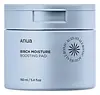
This hydrating toner pad uses a pre-saturated pad with Betula Platyphylla Japonica Juice and Allantoin to hydrate skin and calm redness.
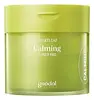
This calming toner pad uses a pre-saturated pad with Houttuynia Cordata Extract and Allantoin to calm redness and hydrate skin.

What's inside
What's inside
 Key Ingredients
Benefits
Concerns
Ingredients Side-by-side
Water
Skin ConditioningBetula Platyphylla Japonica Juice
Skin Conditioning
Butylene Glycol
Humectant
Glycerin
Humectant
Dipropylene Glycol
HumectantAllantoin
Skin Conditioning

Betaine
Humectant
Cucumis Sativus Fruit Extract
Emollient
Hyaluronic Acid
Humectant

Hydrolyzed Hyaluronic Acid
Humectant
Sodium Hyaluronate Crosspolymer
Humectant
Sodium Hyaluronate
Humectant
Camellia Sinensis Leaf Extract
Antimicrobial



Mentha Rotundifolia Leaf Extract
TonicThymus Vulgaris Flower/Leaf Extract
MaskingPropanediol
Solvent
Oenothera Biennis Flower Extract
AstringentPinus Palustris Leaf Extract
TonicPueraria Lobata Root Extract
HumectantUlmus Davidiana Root Extract
Skin Conditioning
Gluconolactone
Chelating


Chlorella Vulgaris Extract
Skin ConditioningMelia Azadirachta Branch/Leaf Extract
Skin ProtectingMelia Azadirachta Flower Extract
Skin ConditioningCoccinia Indica Fruit Extract
Skin Conditioning
Althaea Rosea Flower Extract
Skin ConditioningAloe Barbadensis Flower Extract
EmollientSolanum Melongena Fruit Extract
Skin ConditioningOcimum Sanctum Leaf Extract
Skin ConditioningCorallina Officinalis Extract
Skin Conditioning

Curcuma Longa Root Extract
Antioxidant
1,2-Hexanediol
Skin Conditioning
Hydroxyacetophenone
Antioxidant
Glucose
Humectant
Ethylhexylglycerin
Skin ConditioningCaprylyl Glycol
Emollient
Fructooligosaccharides
Humectant
Fructose
Humectant
Polyglyceryl-10 Laurate
Skin Conditioning

Glyceryl Caprylate
EmollientPentylene Glycol
Skin Conditioning
Acetyl Glucosamine
Skin Conditioning
Sodium Citrate
BufferingCyanocobalamin
Skin ConditioningTocopherol
Antioxidant
Xanthan Gum
EmulsifyingDisodium EDTA
ChelatingWater, Betula Platyphylla Japonica Juice, Butylene Glycol, Glycerin, Dipropylene Glycol, Allantoin, Betaine, Cucumis Sativus Fruit Extract, Hyaluronic Acid, Hydrolyzed Hyaluronic Acid, Sodium Hyaluronate Crosspolymer, Sodium Hyaluronate, Camellia Sinensis Leaf Extract, Mentha Rotundifolia Leaf Extract, Thymus Vulgaris Flower/Leaf Extract, Propanediol, Oenothera Biennis Flower Extract, Pinus Palustris Leaf Extract, Pueraria Lobata Root Extract, Ulmus Davidiana Root Extract, Gluconolactone, Chlorella Vulgaris Extract, Melia Azadirachta Branch/Leaf Extract, Melia Azadirachta Flower Extract, Coccinia Indica Fruit Extract, Althaea Rosea Flower Extract, Aloe Barbadensis Flower Extract, Solanum Melongena Fruit Extract, Ocimum Sanctum Leaf Extract, Corallina Officinalis Extract, Curcuma Longa Root Extract, 1,2-Hexanediol, Hydroxyacetophenone, Glucose, Ethylhexylglycerin, Caprylyl Glycol, Fructooligosaccharides, Fructose, Polyglyceryl-10 Laurate, Glyceryl Caprylate, Pentylene Glycol, Acetyl Glucosamine, Sodium Citrate, Cyanocobalamin, Tocopherol, Xanthan Gum, Disodium EDTA
Water
Skin ConditioningGlycerin
Humectant
Butylene Glycol
Humectant
1,2-Hexanediol
Skin Conditioning
Dipropylene Glycol
HumectantMethylpropanediol
SolventHouttuynia Cordata Extract
Skin Conditioning
Melia Azadirachta Leaf Extract
Skin ConditioningMelia Azadirachta Flower Extract
Skin ConditioningAlthaea Rosea Flower Extract
Skin ConditioningTheobroma Cacao Seed Extract
Antioxidant
Curcuma Longa Root Extract
Antioxidant
Ocimum Sanctum Leaf Extract
Skin ConditioningCitrus Aurantium Dulcis Peel Oil
Masking

Ocimum Basilicum Oil
Masking
Corallina Officinalis Extract
Skin Conditioning
Lavandula Angustifolia Oil
Masking

Erythritol
Humectant
Allantoin
Skin Conditioning
Sodium Citrate
BufferingCaprylyl Glycol
Emollient
Polyglyceryl-10 Laurate
Skin Conditioning
Propanediol
Solvent
Ethylhexylglycerin
Skin ConditioningCitric Acid
Buffering
Glyceryl Acrylate/Acrylic Acid Copolymer
HumectantPvm/Ma Copolymer
Emulsion StabilisingDextrin
AbsorbentTocopherol
Antioxidant
Caffeine
Skin Conditioning
Disodium EDTA
ChelatingWater, Glycerin, Butylene Glycol, 1,2-Hexanediol, Dipropylene Glycol, Methylpropanediol, Houttuynia Cordata Extract, Melia Azadirachta Leaf Extract, Melia Azadirachta Flower Extract, Althaea Rosea Flower Extract, Theobroma Cacao Seed Extract, Curcuma Longa Root Extract, Ocimum Sanctum Leaf Extract, Citrus Aurantium Dulcis Peel Oil, Ocimum Basilicum Oil, Corallina Officinalis Extract, Lavandula Angustifolia Oil, Erythritol, Allantoin, Sodium Citrate, Caprylyl Glycol, Polyglyceryl-10 Laurate, Propanediol, Ethylhexylglycerin, Citric Acid, Glyceryl Acrylate/Acrylic Acid Copolymer, Pvm/Ma Copolymer, Dextrin, Tocopherol, Caffeine, Disodium EDTA
Reviews
Ingredients Explained
These ingredients are found in both products.
Ingredients higher up in an ingredient list are typically present in a larger amount.
1,2-Hexanediol is a synthetic liquid and another multi-functional powerhouse.
It is a:
- Humectant, drawing moisture into the skin
- Emollient, helping to soften skin
- Solvent, dispersing and stabilizing formulas
- Preservative booster, enhancing the antimicrobial activity of other preservatives
Allantoin is a soothing ingredient known for its protective and moisturizing properties; it's basically a quiet workhorse ingredient you can find in a huge range of cosmetics.
Though it can be derived from the comfrey plant, allantoin is produced synthetically for cosmetic products to ensure purity.
Research shows it can encourage your skin cells to turn over and renew by stimulating keratinocyte and fibroblast proliferation.
It also has mild keratolytic properties to help loosen and shed dead skin cells without being harsh.
Studies also suggest allantoin can help calm inflammation by dialing down some of the chemical signals your skin sends out when it is irritated.
This ingredient is typically used in the 0.1-0.5% range, and the FDA recognizes it as a skin protectant in OTC products up to 2%.
Overall, allantoin is a wonderful addition to most routines; it is stable across a wide pH range (~4-8), works well with other ingredients, and is considered non-sensitizing/non-irritating.
Fun fact: Allantoin is naturally occurring in comfrey root, beets, chamomile, and wheat sprouts. Our bodies even produce it as a byproduct of uric acid metabolism.
Learn more about AllantoinThis ingredient comes from the hollyhock flower. It has skin conditioning properties.
Butylene Glycol (or BG) is used within cosmetic products for a few different reasons:
Overall, Butylene Glycol is a safe and well-rounded ingredient that works well with other ingredients.
Though this ingredient works well with most skin types, some people with sensitive skin may experience a reaction such as allergic rashes, closed comedones, or itchiness.
Learn more about Butylene GlycolCaprylyl Glycol is a humectant, skin conditioner, emollient, and preservative booster derived from either caprylic acid or synthetically created.
Typical use levels vary from 0.3-1% as a preservative booster and go up to 2% to condition skin.
Because it is not a free-fatty acid, this ingredient is fungal acne safe (there's nothing for Malassezia to feed on).
Learn more about Caprylyl GlycolCorallina Officinalis Extract comes from the small red seaweed that grows on rocky coastlines that feels stiff to the touch because it builds calcium carbonate right into its cell walls.
That mineral content is basically its whole selling point: the extract brings calcium, magnesium, and trace minerals along with sugars (polysaccharides) and proteins. This is why formulators use it as a skin-conditioning and hydrating ingredient.
Lab testing does back up decent antioxidant activity for this species. A study comparing twelve red seaweeds found Corallina Officinalis stood out for its free-radical scavenging capacity. And a separate study found meaningful radical scavenging plus antibacterial activity from the raw biomass.
It's worth being clear that most of this is test-tube work on raw-algae and not a clinical trial on a finished cream.
On concentration, a 2020 industry survey found it's used at up to 2% in makeup and skincare. Safety-wise, it's as boring as it gets: the Cosmetic Ingredient Review Expert Panel concluded this ingredient (along with the powder, Thallus Extract, and Hydrolyzed versions) to be safe as used in cosmetics and cited negative sensitization data.
There's no meaningful record of it causing allergic contact dermatitis, but be sure to patch test if you are unsure.
You'll see algae/seaweed listed as a 5/5 on a lot of pore-clogging charts and that number doesn't come from anywhere; it's not in the original rabbit-ear studies that most comedogenic ratings trace back to.
The reasoning behind the reputation is that seaweed is high in iodine and iodine can trigger acne-like breakouts when eaten. This traces back to a 1976 letter in Archives of Dermatology describing two women whose breakouts cleared after they stopped taking high-dose kelp supplements orally.
And the reaction of these two women wasn't clogged pores at all: it was an iodine-triggered pustular rash. Later research found normal dietary iodine doesn't meaningfully affect acne either and nobody has shown topical seaweed delivers enough iodine to matter.
What we do have is dozens of brown and red algae ingredients found to be non-irritating and non-sensitizing, and a handful of studies that found algae compounds may actually help acne.
However, plenty of people do report breaking out from algae-containing products. Skin is individual and it's worth avoiding if yours has reacted to algae before.
Learn more about Corallina Officinalis ExtractCurcuma Longa Root Extract comes from the rhizome (underground stem) of the turmeric plant.
While the official EU Cosing Database lists this ingredient as a fragrance, it actually does more than give products a scent.
This ingredient contains a group of yellow pigments called curcuminoids (mostly curcumin) that give it genuine antioxidant and anti-inflammatory activity in skin.
Reviews of topical clinical studies have found turmeric/curcumin to be generally well-tolerated and useful across conditions like eczema and mild inflammation.
One thing working in its favor is that curcumin barely penetrates; in lab skin-permeation testing, the curcuminoids mostly stayed in the outermost layer of skin. This is a good thing because its soothing and antioxidant activity is a surface-level job anyway.
At this time, industry data shows there's no single "correct" cosmetic percentage. It's used across a wide range depending on the product and varies from tiny fractions of a percent up to a few percent.
Allergy-wise, curcumin is a documented (but uncommon) contact allergen. It can also cross react with related plants, so anyone with a turmeric/ginger/cinnamon allergy or reactive skin should patch test first.
Learn more about Curcuma Longa Root ExtractDipropylene Glycol is a synthetically created humectant, stabilizer, and solvent.
This ingredient helps:
Dipropylene glycol is technically an alcohol, but it belongs to the glycol family (often considered part of the ‘good’ alcohols). This means it is hydrating and gentle on skin unlike drying solvent alcohols like denatured alcohol.
As a masking agent, Dipropylene Glycol can be used to cover the smell of other ingredients. However, it does not have a scent.
Studies show Dipropylene Glycol is considered safe to use in skincare.
Learn more about Dipropylene GlycolDisodium EDTA is a chelating agent. It grabs onto and deactivates metal ions that sneak into your products from water, packaging, or air.
This ingredient mainly works behind the scenes and helps with:
On top of that, this ingredient can counteract the effects of hard water by binding to the minerals in it.
One thing worth knowing is that Disodium EDTA has been shown to be a mild penetration enhancer. It can help other ingredients absorb into skin more effectively which can be a double-edged sword (great for actives, but can also make the active too strong if you have sensitive skin).
Clinical patch testing showed no significant skin irritation at typical use concentrations and minimal dermal absorption.
You'll most likely see this ingredient near the end of an ingredient list. It's typically found in concentrations less than 1%.
Learn more about Disodium EDTAEthylhexylglycerin is created from glycerin. It is a multitasker ingredient that:
The CIR Expert Panel found minimal skin absorption or sensitization of any kind in a safety assessment. Though this ingredient is considered well-tolerated, a small number of cases of allergic dermatitis have been published since 2002. Just be sure to patch test if you are unsure.
Industry-reported use ranges from 8% in rinse-off products and 2% in leave-on formulations.
Learn more about EthylhexylglycerinGlycerin (or glycerol) is a compound naturally found in your skin. It's a powerhouse humectant that pulls water into the stratum corneum.
Topically, glycerin does several things at once:
Your skin makes glycerin on its own (mostly from sebaceous oil breakdown) and shuttles it to your outermost layer of skin, or your epidermis, via aquaporin-3.
Aquaporin-3 is a transporter that is essential for normal skin hydration, elasticity, and repair. Interestingly, mice lacking in AQP3 have dry and less elastic skin that can be fully corrected with glycerin.
This ingredient is non-irritating, plays well with almost every ingredient, and works across all skin types. Typical use is anywhere between 3-10% but can go up to 79% in some leave-on products.
Just know very high concentrations (>40%) can feel tacky in low humidity.
Glycerin is the name for this ingredient in American English. British English uses Glycerol/Glycerine.
Learn more about GlycerinMelia Azadirachta Flower Extract is from the Neem tree. Neem trees originate from India.
Melia Azadirachta Flower Extract contains antioxidants. Antioxidants help fight free-radicals. Free-radicals are molecules that may damage your skin cells, such as pollution.
The flowers of this tree are lilac colored.
Learn more about Melia Azadirachta Flower ExtractOcimum Sanctum Leaf Extract comes from the Holy Basil plant. Holy Basil is native to India.
Holy Basil is rich in antioxidants due to its high romarinic acid, ferulic acid, and rutin content. This gives it skin brightening and soothing properties.
While Holy Basil has many claims to help fight acne, more research is needed.
One thing to note is the presence of tannins; tannins are naturally found in nature. However, this compound may be skin-sensitizing.
Learn more about Ocimum Sanctum Leaf ExtractPolyglyceryl-10 Laurate is a cleansing agent and emulsifier.
It rounds up dirt, oil, and grime, so they can be rinsed off easily as a cleanser.
On the emulsifier side, it keeps your formula smooth and well-mixed by playing peacekeeper for ingredients that don't naturally get along (like oil and water).
Because it has a C12 (lauric acid) fatty acid chain, this ingredient can potentially feed the Malassezia yeast that causes fungal acne. The Malassezia yeast prefers esters with C11-C24 fatty acids.
This ingredient is an ester of lauric acid and Polyglycerin-10.
Learn more about Polyglyceryl-10 LauratePropanediol is an all-star ingredient. It softens, hydrates, and smooths the skin.
It’s often used to:
Propanediol is not likely to cause sensitivity and considered safe to use. It is derived from corn or petroleum with a clear color and no scent.
Learn more about PropanediolSodium Citrate is the sodium salts of citric acid. In skincare, it is used to alter pH levels and acts as a preservative.
Its main functions are to maintain the pH of a product and neutralize metal ions.
The acidity of our skin is maintained by our glands and skin biome; normal pH level of skin is slightly acidic (~4.75-5.5).
Being slightly acidic allows our skin to create an "acid mantle". This acid mantle is a thin barrier that protects our skin from bacteria and contaminants.
Learn more about Sodium CitrateTocopherol is a fat-soluble antioxidant known as Vitamin E.
You'll find this ingredient in the vast majority of skincare (for good reason). It works to neutralize free radicals, or unstable molecules generated by UV exposure, pollution, and other environmental stressors, before they can cause oxidative damage to your skin cells.
Topically applied tocopherol has been shown to protect against UV damage by ramping up the skin's own natural defense enzymes.
It also acts as a skin conditioning agent; some studies show that regular topical use can improve the skin's water-binding capacity over 2-4 weeks.
This ingredient is especially loved for being a team player. When combined with Vitamin C, the photoprotective effect of both ingredients roughly doubles and the combo also helps reduce UV-induced DNA damage.
This ingredient has some brightening potential but it's more of a prevention ingredient than spot-fader. Cell studies show it can slow down melanin production but it's worth noting that it's not the most powerful brightener out there.
In formulations, it also serves as a stabilizer that helps protect other oxidation-prone ingredients from degrading.
Concentrations usually range from 0.1-1% in most leave-on products.
Learn more about TocopherolWater. It's the most common cosmetic ingredient of all. You'll usually see it at the top of ingredient lists, meaning that it makes up the largest part of the product.
So why is it so popular? Water most often acts as a solvent - this means that it helps dissolve other ingredients into the formulation.
You'll also recognize water as that liquid we all need to stay alive. If you see this, drink a glass of water. Remember to stay hydrated!
Learn more about Water

