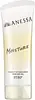
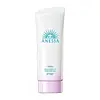
Anessa Moisture Perfect UV Sunscreen Skincare Gel SPF50+ PA++++ Versus Anessa Tone Up Brightening UV Sunscreen Gel SPF 50+
This chemical sunscreen covers the full UV range and blocks ~98% of UVB at SPF 50.
This hybrid sunscreen covers the full UV range and blocks ~98% of UVB at SPF 50.

What's inside
What's inside
 Key Ingredients
Benefits
Concerns
Ingredients Side-by-side
Water
Skin ConditioningAlcohol Denat.
Antimicrobial




Octocrylene
UV Absorber

Butyloctyl Salicylate
Skin Conditioning
Ethylhexyl Salicylate
UV Absorber
Isopropyl Myristate
Emollient


C12-15 Alkyl Benzoate
AntimicrobialHydrogenated Polydecene
EmollientButyl Methoxydibenzoylmethane
UV Absorber
Bis-Ethylhexyloxyphenol Methoxyphenyl Triazine
UV Absorber
Behenic Acid
Cleansing
Ethylhexyl Triazone
UV Absorber
Silica
Abrasive


Behenyl Alcohol
Emollient
Trehalose
Humectant

Diethylamino Hydroxybenzoyl Hexyl Benzoate
UV Filter
Aminomethyl Propanediol
BufferingXanthan Gum
EmulsifyingPaeonia Lactiflora Root Extract
Skin ConditioningGlutamic Acid
Humectant
Oleoyl Potentilla Erecta Root Extract
Antioxidant
Camellia Sinensis Leaf Extract
Antimicrobial

Sodium Acetylated Hyaluronate
Humectant
Soluble Collagen
Humectant
Glycerin
Humectant
Dextrin Palmitate
Emulsifying
C30-45 Alkyl Methicone
Emollient
C30-45 Olefin
Skin ConditioningBatyl Alcohol
EmollientButylene Glycol
Humectant
BHT
Antioxidant
Tocopherol
Antioxidant

Chlorphenesin
Antimicrobial
Benzoic Acid
Masking
Phenoxyethanol
Preservative
Parfum
Masking

Water, Alcohol Denat., Octocrylene, Butyloctyl Salicylate, Ethylhexyl Salicylate, Isopropyl Myristate, C12-15 Alkyl Benzoate, Hydrogenated Polydecene, Butyl Methoxydibenzoylmethane, Bis-Ethylhexyloxyphenol Methoxyphenyl Triazine, Behenic Acid, Ethylhexyl Triazone, Silica, Behenyl Alcohol, Trehalose, Diethylamino Hydroxybenzoyl Hexyl Benzoate, Aminomethyl Propanediol, Xanthan Gum, Paeonia Lactiflora Root Extract, Glutamic Acid, Oleoyl Potentilla Erecta Root Extract, Camellia Sinensis Leaf Extract, Sodium Acetylated Hyaluronate, Soluble Collagen, Glycerin, Dextrin Palmitate, C30-45 Alkyl Methicone, C30-45 Olefin, Batyl Alcohol, Butylene Glycol, BHT, Tocopherol, Chlorphenesin, Benzoic Acid, Phenoxyethanol, Parfum
Water
Skin ConditioningDimethicone
Emollient
Ethylhexyl Methoxycinnamate
UV Absorber
Alcohol
Antimicrobial
Zinc Oxide
Cosmetic Colorant
Titanium Dioxide
Cosmetic Colorant
Glycerin
Humectant
Diisopropyl Sebacate
EmollientTranexamic Acid
Astringent
Diphenylsiloxy Phenyl Trimethicone
Skin Conditioning
Diethylamino Hydroxybenzoyl Hexyl Benzoate
UV Filter
PEG-100 Hydrogenated Castor Oil
Emulsifying
PEG-60 Hydrogenated Castor Oil
Emulsifying
Silica
Abrasive
PPG-17
Skin ConditioningHydrated Silica
Abrasive
Isostearic Acid
Cleansing
Bis-Ethylhexyloxyphenol Methoxyphenyl Triazine
UV Absorber
Dimethylacrylamide/Sodium Acryloyldimethyltaurate Crosspolymer
CI 77891
Cosmetic ColorantAluminum Hydroxide
EmollientPhenoxyethanol
Preservative
Ethylhexyl Triazone
UV Absorber
Dextrin Palmitate
Emulsifying
Hydrogen Dimethicone
Mica
Cosmetic ColorantSorbitan Sesquiisostearate
Emulsifying
Beheneth-20
EmulsifyingSuccinoglycan
Skin ConditioningCellulose Gum
Emulsion StabilisingParfum
Masking
BHT
Antioxidant
Tocopherol
Antioxidant
Citric Acid
Buffering
Sodium Metaphosphate
BufferingTrisodium EDTA
ChelatingDipotassium Glycyrrhizate
Humectant
Hydroxypropyl Methylcellulose Stearoxy Ether
Sodium Citrate
BufferingButylene Glycol
Humectant
Talc
Abrasive
Sodium Metabisulfite
Antioxidant
PEG/PPG-14/7 Dimethyl Ether
Skin ConditioningCI 17200
Cosmetic ColorantCamellia Sinensis Leaf Extract
Antimicrobial
Potentilla Erecta Root Extract
Skin ConditioningCI 42090
Cosmetic ColorantSodium Acetylated Hyaluronate
Humectant
Polyquaternium-51
Skin Conditioning
Soluble Collagen
Humectant
Water, Dimethicone, Ethylhexyl Methoxycinnamate, Alcohol, Zinc Oxide, Titanium Dioxide, Glycerin, Diisopropyl Sebacate, Tranexamic Acid, Diphenylsiloxy Phenyl Trimethicone, Diethylamino Hydroxybenzoyl Hexyl Benzoate, PEG-100 Hydrogenated Castor Oil, PEG-60 Hydrogenated Castor Oil, Silica, PPG-17, Hydrated Silica, Isostearic Acid, Bis-Ethylhexyloxyphenol Methoxyphenyl Triazine, Dimethylacrylamide/Sodium Acryloyldimethyltaurate Crosspolymer, CI 77891, Aluminum Hydroxide, Phenoxyethanol, Ethylhexyl Triazone, Dextrin Palmitate, Hydrogen Dimethicone, Mica, Sorbitan Sesquiisostearate, Beheneth-20, Succinoglycan, Cellulose Gum, Parfum, BHT, Tocopherol, Citric Acid, Sodium Metaphosphate, Trisodium EDTA, Dipotassium Glycyrrhizate, Hydroxypropyl Methylcellulose Stearoxy Ether, Sodium Citrate, Butylene Glycol, Talc, Sodium Metabisulfite, PEG/PPG-14/7 Dimethyl Ether, CI 17200, Camellia Sinensis Leaf Extract, Potentilla Erecta Root Extract, CI 42090, Sodium Acetylated Hyaluronate, Polyquaternium-51, Soluble Collagen
Reviews
Ingredients Explained
These ingredients are found in both products.
Ingredients higher up in an ingredient list are typically present in a larger amount.
BHT is a synthetic antioxidant and preservative.
As an antioxidant, it helps your body fight off free-radicals. Free-radicals are molecules that may damage your skin cells.
As a preservative, it is used to stabilize products and prevent them from degrading. Specifically, BHT prevents degradation from oxidation.
The concerns related to BHT come from oral studies; this ingredient is currently allowed for use by both the FDA and EU.
However, it was recently restricted for use in the UK as of April 2024.
Learn more about BHTThis ingredient is better known as bemotrizinol or Tinosorb S and is one of the best broad-spectrum UV filters in modern sunscreen.
It works by absorbing UV light across a whole range (280-400 nm) with peaks around 310 nm (UVB) and 340-345 nm (UVA). This means it covers UVB plus the deeper UVA wavelengths that drive photoaging and pigmentation.
Another pro?
It's exceptionally photostable, barely degrades in sunlight, and acts as a "bodyguard" for less stable filters.
That's why you'll see it paired with avobenzone or octinoxate; this team up ensures they keep working through sun exposure.
Safety reviews have been reassuring across the board. This ingredient shows low absorption through the skin, rarely irritates, and lab studies found it doesn't act like a hormone in the body (a concern that's been raised about some older sunscreen filters).
On maximum concentrations:
In 2026, the US F.D.A finally added it as an OTC sunscreen ingredient at concentrations up to 6% for adults / children 6 months and older
Learn more about Bis-Ethylhexyloxyphenol Methoxyphenyl TriazineButylene Glycol (or BG) is used within cosmetic products for a few different reasons:
Overall, Butylene Glycol is a safe and well-rounded ingredient that works well with other ingredients.
Though this ingredient works well with most skin types, some people with sensitive skin may experience a reaction such as allergic rashes, closed comedones, or itchiness.
Learn more about Butylene GlycolCamellia Sinensis Leaf Extract (tea extract) is one of the most well-researched plant extracts in skincare with an impressive resume.
Black tea, green tea, and oolong tea are all harvested from the Camellia Sinensis plant.
Studies show green tea extract and its catechins (like epigallocatechin gallate (EGCG)) help your skin cells product energy more efficiently and reducing the number of free-radicals that can damage your skin from the inside.
In lab-grown skin models, this translated to younger, healthier, and stronger skin.
There's also good sun protection data; researchers saw less DNA damage and redness on human skin when green tea was applied before UVB exposure. And the more they applied, the better the protection.
Needless to say, this ingredient shouldn't replace your sunscreen. But it is a great supportive ingredient that you can already find in many sunscreens and antioxidant serums.
A 2009 study found a 2% green tea lotion was effective for mild-to-moderate acne thanks to its anti-inflammatory and mild antimicrobial activity.
The quality of the extract matters a lot here:
Good extracts contain 50-90% catechins while lower quality ones are mostly there for marketing. We recommend reaching out to the brand if you have questions about the quality or source of their ingredients.
Human Repeated Insult Patch Testing showed no irritation or sensitization at use concentrations (0.86% in leave-on products and up to 30% as leaf water).
Learn more about Camellia Sinensis Leaf ExtractDextrin Palmitate is an oil-loving texture helper made by bonding palmitic acid onto Dextrin. It's main roles are to turn liquid oils into spreadable gels and prevent ingredients from separating.
It also lends a silky, non-greasy slip that makes products feel more elegant.
Typical use concentrations range from 0.5-5%, but can go up to 10% depending on how firm the gel is.
Because it's an ester built on a fatty acid, it may not be fungal acne safe.
Learn more about Dextrin PalmitateDiethylamino Hydroxybenzoyl Hexyl Benzoate (DHHB) is a chemical UV-A absorber. It is formulated for high UVA protection (320-400 nm).
DHHB is well-liked for:
DHHB has been approved by the EU, Japan, Taiwan, and South America for use up to 10%. Unfortunately, it has not been approved for use in the US or Canada due to slow regulatory processes.
This ingredient is soluble in oils, fats, and lipids.
Learn more about Diethylamino Hydroxybenzoyl Hexyl BenzoateEthylhexyl Triazone (aka Octyl Triazone) is an oil-soluble organic UVB filter. It has peak absorption around 314 nm, right in the middle of the UVB range.
This ingredient is described as one of the most effective UVB filters available and small concentrations are enough to deliver a high SPF thanks to its strong UV absorbing power.
Formulators love it for its stability; its ability to filter UV stays practically unchanged even under intense radiation and it can also help boost the photostability of less stable filters like avobenzone.
It's also a great pick for water resistant products because it's insoluble in water and has a good affinity for keratin.
Because it's a big, heavy molecule, the European Scientific Committee has found to to have very low dermal penetration and negative results for allergenicity.
In vitro testing also showed a low absorption rate and clean results on irritation.
Typical use levels are 1-5% with 5% being the maximum in the EU, Japan, and other markets that allow it. However, this ingredient is not approved yet in the US or Canada.
Learn more about Ethylhexyl TriazoneGlycerin (or glycerol) is a compound naturally found in your skin. It's a powerhouse humectant that pulls water into the stratum corneum.
Topically, glycerin does several things at once:
Your skin makes glycerin on its own (mostly from sebaceous oil breakdown) and shuttles it to your outermost layer of skin, or your epidermis, via aquaporin-3.
Aquaporin-3 is a transporter that is essential for normal skin hydration, elasticity, and repair. Interestingly, mice lacking in AQP3 have dry and less elastic skin that can be fully corrected with glycerin.
This ingredient is non-irritating, plays well with almost every ingredient, and works across all skin types. Typical use is anywhere between 3-10% but can go up to 79% in some leave-on products.
Just know very high concentrations (>40%) can feel tacky in low humidity.
Glycerin is the name for this ingredient in American English. British English uses Glycerol/Glycerine.
Learn more about GlycerinParfum is a catch-all term for an ingredient or more that is used to give a scent to products.
Also called "fragrance", this ingredient can be a blend of hundreds of chemicals or plant oils. This means every product with "fragrance" or "parfum" in the ingredients list is a different mixture.
For instance, Habanolide is a proprietary trade name for a specific aroma chemical. When used as a fragrance ingredient in cosmetics, most aroma chemicals fall under the broad labeling category of “FRAGRANCE” or “PARFUM” according to EU and US regulations.
The term 'parfum' or 'fragrance' is not regulated in many countries. In many cases, it is up to the brand to define this term.
For instance, many brands choose to label themselves as "fragrance-free" because they are not using synthetic fragrances. However, their products may still contain ingredients such as essential oils that are considered a fragrance by INCI standards.
One example is Calendula flower extract. Calendula is an essential oil that still imparts a scent or 'fragrance'.
Depending on the blend, the ingredients in the mixture can cause allergies and sensitivities on the skin. Some ingredients that are known EU allergens include linalool and citronellol.
Parfum can also be used to mask or cover an unpleasant scent.
The bottom line is: not all fragrances/parfum/ingredients are created equally. If you are worried about fragrances, we recommend taking a closer look at an ingredient. And of course, we always recommend speaking with a professional.
Learn more about ParfumPhenoxyethanol is one of the most widely used preservatives in skincare (and for good reason!).
It has a large spectrum of antimicrobial activity and especially effective bacteria, yeast, and mold while only having a weak effect on your skin's natural microbiome.
On a cellular level, it disrupts the cell membranes of microbes by poking holes that make the cell leak. This shuts down the chemical reactions the microbe needs to make energy so it can no longer survive.
Another perk of this ingredient is that it stays functional across a wide pH range (3-10).
You'll often see it paired with boosters like Ethylhexylglycerin; one study showed that a 1:9 ratio of Ethylhexylglycerin to Phenoxyethanol damages bacterial membranes as effectively as doubling the Phenoxyethanol concentration on its own.
Typical use concentrations range from 0.3-1% depending on the formula, and this ingredient is capped at 1% int the EU.
Safety-wise, the fear mongering does not hold up to the evidence. The EU's Scientific Committee on Consumer Safety and FDA consider it safe as a preservative at up to 1%, including for children of all ages.
Adverse systemic effects only showed up in animal studies at exposures roughly 200x higher than what people get from cosmetics. And despite its very widespread use, this ingredient is a rare sensitizer and allergic reactions are uncommon.
Learn more about PhenoxyethanolSilica, also known as silicon dioxide, is a naturally occurring mineral. It is used as a fine, spherical, and porous powder in cosmetics.
Though it has exfoliant properties, the function of silica varies depending on the product.
The unique structure of silica enhances the spreadability and adds smoothness, making it a great texture enhancer.
It is also used as an active carrier, emulsifier, and mattifier due to its ability to absorb excess oil.
In some products, tiny microneedles called spicules are made from silica or hydrolyzed sponge. When you rub them in, they lightly polish away dead skin layers and enhance the penetration of active ingredients.
Learn more about SilicaSodium Acetylated Hyaluronate is a type of Hyaluronic Acid.
Hyaluronic Acids help moisturize, soothe, and protect the skin.
Read about common types of Hyaluronic Acid here:
Learn more about Sodium Acetylated HyaluronateSoluble collagen is a large, water-loving protein typically extracted from cattle hides or marine sources like fish skin.
In cosmetics, it works purely as a humectant and film-former.
Despite the marketing that surrounds the word "collagen", its molecule is far too large to penetrate skin so it can't rebuild the collagen in your dermis.
Instead, it sits on the surface and binds water to help reduce transepidermal water loss and leave skin feeling soft, plump, and temporarily tightened.
Suppliers commonly recommend using it around 3-6% though industry data shows concentrations are often much lower (down to a fraction of a percent).
This ingredient has been found safe to use in cosmetics with no reported irritation, sensitization, or phototoxicity.
Learn more about Soluble CollagenTocopherol is a fat-soluble antioxidant known as Vitamin E.
You'll find this ingredient in the vast majority of skincare (for good reason). It works to neutralize free radicals, or unstable molecules generated by UV exposure, pollution, and other environmental stressors, before they can cause oxidative damage to your skin cells.
Topically applied tocopherol has been shown to protect against UV damage by ramping up the skin's own natural defense enzymes.
It also acts as a skin conditioning agent; some studies show that regular topical use can improve the skin's water-binding capacity over 2-4 weeks.
This ingredient is especially loved for being a team player. When combined with Vitamin C, the photoprotective effect of both ingredients roughly doubles and the combo also helps reduce UV-induced DNA damage.
This ingredient has some brightening potential but it's more of a prevention ingredient than spot-fader. Cell studies show it can slow down melanin production but it's worth noting that it's not the most powerful brightener out there.
In formulations, it also serves as a stabilizer that helps protect other oxidation-prone ingredients from degrading.
Concentrations usually range from 0.1-1% in most leave-on products.
Learn more about TocopherolWater. It's the most common cosmetic ingredient of all. You'll usually see it at the top of ingredient lists, meaning that it makes up the largest part of the product.
So why is it so popular? Water most often acts as a solvent - this means that it helps dissolve other ingredients into the formulation.
You'll also recognize water as that liquid we all need to stay alive. If you see this, drink a glass of water. Remember to stay hydrated!
Learn more about Water

