

What's inside
What's inside
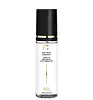 Key Ingredients
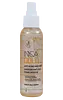
Benefits
Concerns
Ingredients Side-by-side
Isododecane
EmollientCyclopentasiloxane
Emollient
Dimethicone
Emollient
Phenyl Trimethicone
Skin Conditioning
Parfum
Masking




Hexamethylindanopyran
Masking
Tetramethyl Acetyloctahydronaphthalenes
Masking
Water
Skin ConditioningVitis Vinifera Seed Oil
Emollient



Olea Europaea Fruit Oil
Masking
Pelargonium Graveolens Flower Oil
Masking
Salvia Sclarea Oil
Masking
Simmondsia Chinensis Seed Oil
Emollient
Juglans Regia Seed Oil
Skin Conditioning
Helianthus Annuus Seed Oil
Emollient
Cystine Bis-Pg-Propyl Silanetriol
Skin ConditioningGlycerin
Humectant
Sodium Laneth-40 Maleate/Styrene Sulfonate Copolymer
Dimethiconol
Emollient
Geraniol
Perfuming
Alcohol
Antimicrobial

Cyclohexasiloxane
Emollient
Punica Granatum Bark/Fruit Extract
AntimicrobialVitis Vinifera Seed Extract
Antimicrobial

Pinus Strobus Bark Extract
Skin ConditioningCamellia Sinensis Leaf Extract
Antimicrobial



Chamomilla Recutita Flower Extract
Masking
Fucus Vesiculosus Extract
Emollient
Panax Ginseng Root Extract
Emollient
Echinacea Angustifolia Extract
MoisturisingGlycyrrhiza Glabra Root Extract
Bleaching
Arctostaphylos Uva Ursi Leaf Extract
Skin Conditioning
Potassium Sorbate
Preservative
Phenoxyethanol
Preservative
Sodium Benzoate
Masking
Citric Acid
Buffering
Tocopherol
Antioxidant
Linalyl Acetate
Masking
Hexyl Cinnamal
Perfuming
Citronellol
Perfuming
Linalool
Perfuming
Isododecane, Cyclopentasiloxane, Dimethicone, Phenyl Trimethicone, Parfum, Hexamethylindanopyran, Tetramethyl Acetyloctahydronaphthalenes, Water, Vitis Vinifera Seed Oil, Olea Europaea Fruit Oil, Pelargonium Graveolens Flower Oil, Salvia Sclarea Oil, Simmondsia Chinensis Seed Oil, Juglans Regia Seed Oil, Helianthus Annuus Seed Oil, Cystine Bis-Pg-Propyl Silanetriol, Glycerin, Sodium Laneth-40 Maleate/Styrene Sulfonate Copolymer, Dimethiconol, Geraniol, Alcohol, Cyclohexasiloxane, Punica Granatum Bark/Fruit Extract, Vitis Vinifera Seed Extract, Pinus Strobus Bark Extract, Camellia Sinensis Leaf Extract, Chamomilla Recutita Flower Extract, Fucus Vesiculosus Extract, Panax Ginseng Root Extract, Echinacea Angustifolia Extract, Glycyrrhiza Glabra Root Extract, Arctostaphylos Uva Ursi Leaf Extract, Potassium Sorbate, Phenoxyethanol, Sodium Benzoate, Citric Acid, Tocopherol, Linalyl Acetate, Hexyl Cinnamal, Citronellol, Linalool
Cyclopentasiloxane
Emollient
Dimethicone
Emollient
Phenyl Trimethicone
Skin Conditioning
Parfum
Masking
Limonene
Perfuming
Linalool
Perfuming
Hexyl Cinnamal
Perfuming
Mica
Cosmetic ColorantCitronellol
Perfuming
CI 77891
Cosmetic ColorantCI 77491
Cosmetic ColorantSilica
Abrasive
Plukenetia Volubilis Seed Oil
Emollient
Benzyl Alcohol
Perfuming
Citral
Perfuming
Gossypium Herbaceum Seed Oil
Skin Conditioning
Tin Oxide
Abrasive
Geraniol
Perfuming
Acorus Calamus Root Extract
Perfuming
Aloe Barbadensis Leaf Extract
Emollient
Butyrospermum Parkii Butter
Skin Conditioning
Camellia Sinensis Leaf Extract
Antimicrobial
Chamomilla Recutita Flower Extract
Masking
Cinnamomum Zeylanicum Bark Extract
Antimicrobial
Cocos Nucifera Fruit Extract
Emollient
Commiphora Myrrha Resin Extract
Skin ConditioningMacadamia Ternifolia Seed Oil
Emollient
Olea Europaea Fruit Oil
Masking
Argania Spinosa Kernel Oil
Emollient
Glycerin
Humectant
Glyceryl Stearate
Emollient
Lecithin
Emollient
Polyglyceryl-3 Diisostearate
Emulsifying
Amyl Cinnamal
Perfuming
Benzyl Benzoate
Antimicrobial
Water
Skin ConditioningCyclopentasiloxane, Dimethicone, Phenyl Trimethicone, Parfum, Limonene, Linalool, Hexyl Cinnamal, Mica, Citronellol, CI 77891, CI 77491, Silica, Plukenetia Volubilis Seed Oil, Benzyl Alcohol, Citral, Gossypium Herbaceum Seed Oil, Tin Oxide, Geraniol, Acorus Calamus Root Extract, Aloe Barbadensis Leaf Extract, Butyrospermum Parkii Butter, Camellia Sinensis Leaf Extract, Chamomilla Recutita Flower Extract, Cinnamomum Zeylanicum Bark Extract, Cocos Nucifera Fruit Extract, Commiphora Myrrha Resin Extract, Macadamia Ternifolia Seed Oil, Olea Europaea Fruit Oil, Argania Spinosa Kernel Oil, Glycerin, Glyceryl Stearate, Lecithin, Polyglyceryl-3 Diisostearate, Amyl Cinnamal, Benzyl Benzoate, Water
Ingredients Explained
These ingredients are found in both products.
Ingredients higher up in an ingredient list are typically present in a larger amount.
Camellia Sinensis Leaf Extract (tea extract) is one of the most well-researched plant extracts in skincare with an impressive resume.
Black tea, green tea, and oolong tea are all harvested from the Camellia Sinensis plant.
Studies show green tea extract and its catechins (like epigallocatechin gallate (EGCG)) help your skin cells product energy more efficiently and reducing the number of free-radicals that can damage your skin from the inside.
In lab-grown skin models, this translated to younger, healthier, and stronger skin.
There's also good sun protection data; researchers saw less DNA damage and redness on human skin when green tea was applied before UVB exposure. And the more they applied, the better the protection.
Needless to say, this ingredient shouldn't replace your sunscreen. But it is a great supportive ingredient that you can already find in many sunscreens and antioxidant serums.
A 2009 study found a 2% green tea lotion was effective for mild-to-moderate acne thanks to its anti-inflammatory and mild antimicrobial activity.
The quality of the extract matters a lot here:
Good extracts contain 50-90% catechins while lower quality ones are mostly there for marketing. We recommend reaching out to the brand if you have questions about the quality or source of their ingredients.
Human Repeated Insult Patch Testing showed no irritation or sensitization at use concentrations (0.86% in leave-on products and up to 30% as leaf water).
Learn more about Camellia Sinensis Leaf ExtractChamomilla Recutita Flower Extract comes from the Chamomile flower.
Chamomile is rich in antioxidants and has anti-inflammatory properties. Several compounds found in chamomile help with soothing, such as bisbolol.
Antioxidant components in chamomile make it an effective ingredient to help slow the signs of aging. Antioxidants help fight free-radical molecules, or molecules that may damage your skin.
Essential oils from chamomile have been found to improve wound healing due to its antimicrobial properties.
Ancient Greeks and Egyptians used Chamomile to treat skin redness and dryness. Chamomile has also been used to help treat stomach issues.
Learn more about Chamomilla Recutita Flower ExtractCitronellol is used to add fragrance/parfum to a product. It is often derived from plants such as roses. In fact, it can be found in many essential oils including geranium, lavender, neroli, and more. The scent of Citronellol is often described as "fresh, grassy, and citrus-like".
Since the Citronellol molecule is already unstable, Citronellol becomes irritating on the skin when exposed to air.
Citronellol is a modified terpene. Terpenes are unsaturated hydrocarbons found in plants. They make up the primary part of essential oils.
Citronellol is not able to be absorbed into deeper layers of the skin. It has low permeability,
Citronellol is also a natural insect repellent.
Learn more about CitronellolCyclopentasiloxane (D5) is a lightweight silicone that mostly acts as an emollient and solvent in cosmetics. Its the reason your products feel silky, fast-spreading, and non-greasy.
Since D5 is volatile, it does its thing and then evaporates off the skin quickly.
The safety profile of this ingredient is reassuring; the US CIR Expert Panel concluded D5 is safe as used in cosmetics and Health Canada concluded that D5 is not harmful to human health or the environment as currently used in cosmetics
There's a study that people mention about D5 in a rat study showing tumors. This study is related to long-term inhalation of high D5 levels.
Regulatory bodies have judged this study to be not applicable in topical skincare since skin absorption of D5 is very low and we're not really inhaling huge amounts of D5.
The only restriction for this ingredient is environmental. The European Chemicals Agency (ECHA) restricted D5 in wash-off cosmetics at or above 0.1% due to their persistence in water.
Learn more about CyclopentasiloxaneDimethicone is a type of synthetic silicone created from natural materials such as quartz. It is also known as polydimethylsiloxane.
What it does:
Dimethicone comes in different viscosities:
Depending on the viscosity, dimethicone has different properties.
Ingredients lists don't always show which type is used, so we recommend reaching out to the brand if you have questions about the viscosity.
This ingredient is unlikely to cause irritation because it does not get absorbed into skin. However, people with silicone allergies should be careful about using this ingredient.
Note: Dimethicone may contribute to pilling. This is because it is not oil or water soluble, so pilling may occur when layered with products. When mixed with heavy oils in a formula, the outcome is also quite greasy.
Learn more about DimethiconeGeraniol is used to add fragrance/parfum to a product. It is the main component of citronellol. It is a monoterpenoid and an alcohol.
Monoterpenes are naturally found in many parts of different plants.
Geraniol can be found in many essential oils including Rose Oil and Citronella Oil. The scent of Geraniol is often described as "rose-like". Many foods also contain Geraniol for fruit flavoring.
Geraniol can irritate the skin when exposed to air. However, irritation depends on the ability of geraniol to penetrate into the skin. In general, geraniol is not able to penetrate skin easily.
Geraniol is colorless and has low water-solubility. However, it is soluble in common organic solvents.
Like citronellol, it is a natural insect repellent.
2,6-Octadien-1-ol, 3,7-dimethyl-, (2E)-
Learn more about GeraniolGlycerin (or glycerol) is a compound naturally found in your skin. It's a powerhouse humectant that pulls water into the stratum corneum.
Topically, glycerin does several things at once:
Your skin makes glycerin on its own (mostly from sebaceous oil breakdown) and shuttles it to your outermost layer of skin, or your epidermis, via aquaporin-3.
Aquaporin-3 is a transporter that is essential for normal skin hydration, elasticity, and repair. Interestingly, mice lacking in AQP3 have dry and less elastic skin that can be fully corrected with glycerin.
This ingredient is non-irritating, plays well with almost every ingredient, and works across all skin types. Typical use is anywhere between 3-10% but can go up to 79% in some leave-on products.
Just know very high concentrations (>40%) can feel tacky in low humidity.
Glycerin is the name for this ingredient in American English. British English uses Glycerol/Glycerine.
Learn more about GlycerinHexyl Cinnamal is a fragrance ingredient with a similar scent to jasmine. It can be naturally found in chamomile essential oil.
This ingredient is a known EU allergen and may sensitize the skin. The EU requires this ingredient to be listed separately on an ingredients list.
Hexyl Cinnamal is not water soluble but is soluble in oils.
Learn more about Hexyl CinnamalLinalool is a small, naturally occurring scent molecule found in plants like lavender, coriander, bergamot, and more.
It is one of the two most-used fragrance ingredients in cosmetics and added purely for smell. Since it's not used for a skin benefit, there's no "effective dose". Concentration depends on the fragrance load of the product.
The EU requires it to be named on the label above 0.001% in leave-on and 0.01% in rinse-off products.
Fresh linalool is a weak sensitizer but air exposure turns some of it into hydroperoxides, which are strong sensitizers. Those oxidation products are the actual allergy concern.
Patch-test clinics see positive reactions to linalool hydroperoxides in about 4% to 12% of dermatitis patients depending on country and test concentration.
Resassuringly, one analytical study found hydroperoxide levels in real fragranced products to be orders of magnitude below what induced sensitization in animal studies with no evidence of oxidation building up during normal storage.
The practical takeaway is that linalool is fine for most people but worth avoiding if you have a confirmed fragrance contact allergy or a badly compromised barrier.
Products stored a long time after opening are also the high-risk scenario since that is when oxidation happens.
The scent of linalool is described as floral, spicy tropical, and citrus-like.
Learn more about LinaloolThis ingredient is also known as olive oil. It has been used in skincare for centuries and science largely backs up its reputation as a nourishing emollient.
The main components of olive oil are oleic acid (55-83%), linoleic acid (3.5-20%), and palmitic acid (7-20%). Oleic acid promotes skin regeneration and helps regulate inflammatory responses.
Squalene is also naturally present in olive oil and exhibits moisturizing and antioxidant properties.
The polyphenols in olive oil also show anti-aging promise; one clinical study found a measurable improvement in skin appearance after 30 days of topical serum use.
Just be aware that applying olive oil directly to skin can weaken the barrier and cause redness. One study with volunteers found even people without sensitive skin experienced a significant reduction in stratum corneum integrity and induced mild erythema.
It's best to use this ingredient as part of a carefully crafted formula (instead of putting it on skin directly from the bottle).
Because it has a 0-2 on the comedogenic scale, it is low risk for acne-prone skin. Just remember the overall formulation of a product matters more than a few ingredients with comedogenic ratings.
This ingredient may not be fungal acne safe because of the oleic and palmitic acid content. These fall within the C11-24 fatty acid range that the Malassezia yeast can metabolize to grow.
Overall, olive oil is a well-studied and nourishing skincare ingredient.
Learn more about Olea Europaea Fruit OilParfum is a catch-all term for an ingredient or more that is used to give a scent to products.
Also called "fragrance", this ingredient can be a blend of hundreds of chemicals or plant oils. This means every product with "fragrance" or "parfum" in the ingredients list is a different mixture.
For instance, Habanolide is a proprietary trade name for a specific aroma chemical. When used as a fragrance ingredient in cosmetics, most aroma chemicals fall under the broad labeling category of “FRAGRANCE” or “PARFUM” according to EU and US regulations.
The term 'parfum' or 'fragrance' is not regulated in many countries. In many cases, it is up to the brand to define this term.
For instance, many brands choose to label themselves as "fragrance-free" because they are not using synthetic fragrances. However, their products may still contain ingredients such as essential oils that are considered a fragrance by INCI standards.
One example is Calendula flower extract. Calendula is an essential oil that still imparts a scent or 'fragrance'.
Depending on the blend, the ingredients in the mixture can cause allergies and sensitivities on the skin. Some ingredients that are known EU allergens include linalool and citronellol.
Parfum can also be used to mask or cover an unpleasant scent.
The bottom line is: not all fragrances/parfum/ingredients are created equally. If you are worried about fragrances, we recommend taking a closer look at an ingredient. And of course, we always recommend speaking with a professional.
Learn more about ParfumPhenyl Trimethicone is a silicon-based polymer. It is derived from silica.
Phenyl Trimethicone is used as an emollient and prevents products from foaming.
As an emollient, it helps trap moisture in the skin. It is considered an occlusive.
Learn more about Phenyl TrimethiconeWater. It's the most common cosmetic ingredient of all. You'll usually see it at the top of ingredient lists, meaning that it makes up the largest part of the product.
So why is it so popular? Water most often acts as a solvent - this means that it helps dissolve other ingredients into the formulation.
You'll also recognize water as that liquid we all need to stay alive. If you see this, drink a glass of water. Remember to stay hydrated!
Learn more about Water

