This calming moisturizer is formulated around Ruscus Aculeatus Root Extract and Glycyrrhetinic Acid to calm redness.


What's inside
What's inside
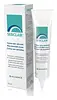 Key Ingredients
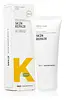
Benefits
Concerns
Ingredients Side-by-side
Water
Skin ConditioningIsohexadecane
EmollientButyrospermum Parkii Butter
Skin Conditioning






Pentylene Glycol
Skin Conditioning
Ethylhexyl Palmitate
Emollient
Cera Alba
Emollient
PEG-30 Dipolyhydroxystearate
Emulsifying
Bisabolol
Antioxidant



Polyglyceryl-6 Polyricinoleate
Emulsifying
Hydrogenated Castor Oil
Emollient
Tocopheryl Acetate
Antioxidant

Glycyrrhetinic Acid
Skin Conditioning
Allantoin
Skin Conditioning
Butylene Glycol
Humectant
Magnesium Sulfate
Piroctone Olamine
Preservative
Propylene Glycol
Humectant
Lactic Acid
Buffering






Magnesium Stearate
Cosmetic ColorantSolanum Lycopersicum Fruit Extract
Antioxidant
PPG-15 Stearyl Ether
EmollientDisodium EDTA
ChelatingAscorbyl Tetraisopalmitate
Antioxidant
Vitis Vinifera Seed Extract
Antimicrobial
Citric Acid
Buffering
Citrus Grandis Fruit Extract
Astringent
Citrus Medica Limonum Fruit Extract
Skin ConditioningMalic Acid
Buffering
Vaccinium Myrtillus Bud Extract
Antioxidant
Propyl Gallate
Antioxidant
Telmesteine
Antioxidant
Water, Isohexadecane, Butyrospermum Parkii Butter, Pentylene Glycol, Ethylhexyl Palmitate, Cera Alba, PEG-30 Dipolyhydroxystearate, Bisabolol, Polyglyceryl-6 Polyricinoleate, Hydrogenated Castor Oil, Tocopheryl Acetate, Glycyrrhetinic Acid, Allantoin, Butylene Glycol, Magnesium Sulfate, Piroctone Olamine, Propylene Glycol, Lactic Acid, Magnesium Stearate, Solanum Lycopersicum Fruit Extract, PPG-15 Stearyl Ether, Disodium EDTA, Ascorbyl Tetraisopalmitate, Vitis Vinifera Seed Extract, Citric Acid, Citrus Grandis Fruit Extract, Citrus Medica Limonum Fruit Extract, Malic Acid, Vaccinium Myrtillus Bud Extract, Propyl Gallate, Telmesteine
C12-15 Alkyl Benzoate
AntimicrobialPropylene Glycol
Humectant
Glycerin
Humectant
Alcohol Denat.
Antimicrobial

Ceteth-10 Phosphate
CleansingDicetyl Phosphate
EmulsifyingGlyceryl Stearate
Emollient
Cetyl Alcohol
Emollient

Tocopheryl Acetate
Antioxidant
Dimethicone
Emollient
PEG-100 Stearate
Surfactant
Ruscus Aculeatus Root Extract
Astringent
Phenoxyethanol
Preservative
Artemia Extract
Skin ConditioningBenzyl Alcohol
Perfuming
Butylene Glycol
Humectant
Phytic Acid
Chelating
Arnica Montana Flower Extract
Masking
Cupressus Sempervirens Seed Extract
Perfuming
Polygonatum Multiflorum Rhizome/Root Extract
Skin ConditioningCyclodextrin
AbsorbentPotassium Sorbate
Preservative
Sodium Laureth Sulfate
Cleansing
Hydroxyethylcellulose
Emulsion StabilisingParfum
Masking
Glycyrrhetinic Acid
Skin Conditioning
Sodium Hydroxide
BufferingGinkgo Biloba Leaf Extract
Skin Conditioning
Disodium EDTA
ChelatingMorus Alba Root Extract
BleachingGlycine
Buffering
Glycine Soja Oil
Emollient
Gluconolactone
Chelating

Sodium Benzoate
Masking
Retinol
Skin Conditioning
Tocopherol
Antioxidant
Calcium Gluconate
HumectantC12-15 Alkyl Benzoate, Propylene Glycol, Glycerin, Alcohol Denat., Ceteth-10 Phosphate, Dicetyl Phosphate, Glyceryl Stearate, Cetyl Alcohol, Tocopheryl Acetate, Dimethicone, PEG-100 Stearate, Ruscus Aculeatus Root Extract, Phenoxyethanol, Artemia Extract, Benzyl Alcohol, Butylene Glycol, Phytic Acid, Arnica Montana Flower Extract, Cupressus Sempervirens Seed Extract, Polygonatum Multiflorum Rhizome/Root Extract, Cyclodextrin, Potassium Sorbate, Sodium Laureth Sulfate, Hydroxyethylcellulose, Parfum, Glycyrrhetinic Acid, Sodium Hydroxide, Ginkgo Biloba Leaf Extract, Disodium EDTA, Morus Alba Root Extract, Glycine, Glycine Soja Oil, Gluconolactone, Sodium Benzoate, Retinol, Tocopherol, Calcium Gluconate
Alternatives
Ingredients Explained
These ingredients are found in both products.
Ingredients higher up in an ingredient list are typically present in a larger amount.
Butylene Glycol (or BG) is used within cosmetic products for a few different reasons:
Overall, Butylene Glycol is a safe and well-rounded ingredient that works well with other ingredients.
Though this ingredient works well with most skin types, some people with sensitive skin may experience a reaction such as allergic rashes, closed comedones, or itchiness.
Learn more about Butylene GlycolDisodium EDTA is a chelating agent. It grabs onto and deactivates metal ions that sneak into your products from water, packaging, or air.
This ingredient mainly works behind the scenes and helps with:
On top of that, this ingredient can counteract the effects of hard water by binding to the minerals in it.
One thing worth knowing is that Disodium EDTA has been shown to be a mild penetration enhancer. It can help other ingredients absorb into skin more effectively which can be a double-edged sword (great for actives, but can also make the active too strong if you have sensitive skin).
Clinical patch testing showed no significant skin irritation at typical use concentrations and minimal dermal absorption.
You'll most likely see this ingredient near the end of an ingredient list. It's typically found in concentrations less than 1%.
Learn more about Disodium EDTAGlycyrrhetinic Acid is a calming ingredient that comes from licorice root.
How does it work?
Your skin makes its own natural anti-inflammatory hormone called cortisol and it also has an enzyme that switches cortisol off. Glycyrrhetinic Acid slows down that enzyme so your skin's natural calming power sticks around a little longer.
The research is pretty encouraging, especially for calming redness:
This is a good ingredient to look out for if your skin gets red, itchy, or irritated easily. It's also nice for anyone recovering from a harsh treatment or whose skin barrier is feeling a bit stressed.
It's typically found up to 2% because a little goes a long way.
Safety experts at the Cosmetic Ingredient Review found it safe as used in cosmetics. Even at 6%, three times the typical amount, it didn't cause irritation or allergic reactions in clinical testing.
Allergies to it are very rare with only a handful of reported cases over the years. But as with any new product, it's a good idea to patch test if you have reactive skin.
Fun fact: Glycyrrhetinic Acid is also used as a flavoring agent. Its sweet licorice roots mean it's sometimes used to help mask bitter tastes in medicine.
Learn more about Glycyrrhetinic AcidPropylene Glycol is a synthetic, colorless, odorless liquid that has been a staple in cosmetics for decades. It is a skin conditioning agent, humectant, and solvent.
As a humectant, it draw water to the skin to reduce flaking and restore suppleness. It's also a solvent that helps dissolve other actives and keeps formulas stable across temperature changes.
The CIR Expert Panel has confirmed this ingredient to be nontoxic and clinical studies show no sensitization at cosmetic use concentrations.
True allergic reactions are quite rare: a 15-year retrospective study of 6,751 patients found only 0.31% had a positive reaction (and less than half were considered clinically relevant).
It seemed that when sensitization does occur, it's most commonly linked to topical medication (like corticosteroids) and not cosmetics. Allergic contact dermatitis also appears largely limited to individuals with underlying skin conditions.
Overall, propylene glycol is a well-studied ingredient that most people can tolerate without issue.
Learn more about Propylene GlycolTocopheryl Acetate is a stable, shelf-friendly form of vitamin E.
Formulators love it because plain vitamin E oxidizes quickly once it hits air. This acetate version stays stable and resists going off, helping to extend a product's shelf life.
It's actually inactive on its own and works like a slow-release "storage" form; the enzymes in your skin called esterases gradually convert it into active vitamin E over time.
One in vivo study showed 5% of the acetate in the living layer of the epidermis converted to vitamin E after 5 days of application. This study also found the skin gained protection against UV damage even though the conversion was slow and small.
Once converted, vitamin E acts as a skin's main fat-soluble antioxidant that fights free radicals to protect skin from damage.
Topical vitamin E generally boosts the skin's photoprotection, and it reduced UV-damage in animal models.
This ingredient has some brightening potential but it's more of a prevention ingredient than spot-fader. Cell studies show it can slow down melanin production but it's worth noting that it's not the most powerful brightener out there.
Overall, it has a pretty solid safety profile and has been found to be non-irritating and non-comedogenic. Allergic reactions may happen but stay rare due to how widely the ingredient gets used.
The concentration will vary depending on the formula; industry data shows 0.1% in baby lotions, 3% in lipsticks, and 5% in foot powders. You can also find this ingredient at 100% in a pure vitamin E oil.
Most leave-on skincare keeps it at the lower end, often between 0.5-1%.
Learn more about Tocopheryl Acetate


