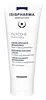
This barrier-repair exfoliator is formulated around Butyrospermum Parkii Butter to strengthen the skin barrier and hydrate skin.
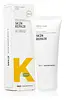
This calming moisturizer is formulated around Ruscus Aculeatus Root Extract and Glycyrrhetinic Acid to calm redness.


What's inside
What's inside
 Key Ingredients
No key ingredients
Benefits
Concerns
Ingredients Side-by-side
Water
Skin ConditioningGlycerin
Humectant


Gossypium Herbaceum Seed Oil
Skin Conditioning




Methylpropanediol
SolventIsodecyl Neopentanoate
EmollientSteareth-2
EmulsifyingSteareth-21
CleansingButyrospermum Parkii Butter
Skin Conditioning
Hydroxyethyl Acrylate/Sodium Acryloyldimethyl Taurate Copolymer
Emulsion StabilisingSodium Cocoyl Amino Acids
Cleansing
Propylene Glycol
Humectant
Glyceryl Undecylenate
Emollient
Carbomer
Emulsion StabilisingP-Anisic Acid
MaskingHydrolyzed Lupine Protein
Skin ConditioningSodium Hydroxide
BufferingSarcosine
Skin Conditioning
Polysorbate 60
Emulsifying
Sorbitan Isostearate
Emulsifying
Magnesium Aspartate
Skin ConditioningPotassium Aspartate
Skin ConditioningSodium Benzoate
Masking
Water, Glycerin, Gossypium Herbaceum Seed Oil, Methylpropanediol, Isodecyl Neopentanoate, Steareth-2, Steareth-21, Butyrospermum Parkii Butter, Hydroxyethyl Acrylate/Sodium Acryloyldimethyl Taurate Copolymer, Sodium Cocoyl Amino Acids, Propylene Glycol, Glyceryl Undecylenate, Carbomer, P-Anisic Acid, Hydrolyzed Lupine Protein, Sodium Hydroxide, Sarcosine, Polysorbate 60, Sorbitan Isostearate, Magnesium Aspartate, Potassium Aspartate, Sodium Benzoate
C12-15 Alkyl Benzoate
AntimicrobialPropylene Glycol
Humectant
Glycerin
Humectant
Alcohol Denat.
Antimicrobial


Ceteth-10 Phosphate
CleansingDicetyl Phosphate
EmulsifyingGlyceryl Stearate
Emollient
Cetyl Alcohol
Emollient
Tocopheryl Acetate
Antioxidant


Dimethicone
Emollient
PEG-100 Stearate
Surfactant
Ruscus Aculeatus Root Extract
Astringent
Phenoxyethanol
Preservative
Artemia Extract
Skin ConditioningBenzyl Alcohol
Perfuming


Butylene Glycol
Humectant
Phytic Acid
Chelating

Arnica Montana Flower Extract
Masking
Cupressus Sempervirens Seed Extract
Perfuming
Polygonatum Multiflorum Rhizome/Root Extract
Skin ConditioningCyclodextrin
AbsorbentPotassium Sorbate
Preservative
Sodium Laureth Sulfate
Cleansing
Hydroxyethylcellulose
Emulsion StabilisingParfum
Masking
Glycyrrhetinic Acid
Skin Conditioning
Sodium Hydroxide
BufferingGinkgo Biloba Leaf Extract
Skin Conditioning
Disodium EDTA
ChelatingMorus Alba Root Extract
BleachingGlycine
Buffering
Glycine Soja Oil
Emollient
Gluconolactone
Chelating



Sodium Benzoate
Masking
Retinol
Skin Conditioning
Tocopherol
Antioxidant
Calcium Gluconate
HumectantC12-15 Alkyl Benzoate, Propylene Glycol, Glycerin, Alcohol Denat., Ceteth-10 Phosphate, Dicetyl Phosphate, Glyceryl Stearate, Cetyl Alcohol, Tocopheryl Acetate, Dimethicone, PEG-100 Stearate, Ruscus Aculeatus Root Extract, Phenoxyethanol, Artemia Extract, Benzyl Alcohol, Butylene Glycol, Phytic Acid, Arnica Montana Flower Extract, Cupressus Sempervirens Seed Extract, Polygonatum Multiflorum Rhizome/Root Extract, Cyclodextrin, Potassium Sorbate, Sodium Laureth Sulfate, Hydroxyethylcellulose, Parfum, Glycyrrhetinic Acid, Sodium Hydroxide, Ginkgo Biloba Leaf Extract, Disodium EDTA, Morus Alba Root Extract, Glycine, Glycine Soja Oil, Gluconolactone, Sodium Benzoate, Retinol, Tocopherol, Calcium Gluconate
Ingredients Explained
These ingredients are found in both products.
Ingredients higher up in an ingredient list are typically present in a larger amount.
Glycerin (or glycerol) is a compound naturally found in your skin. It's a powerhouse humectant that pulls water into the stratum corneum.
Topically, glycerin does several things at once:
Your skin makes glycerin on its own (mostly from sebaceous oil breakdown) and shuttles it to your outermost layer of skin, or your epidermis, via aquaporin-3.
Aquaporin-3 is a transporter that is essential for normal skin hydration, elasticity, and repair. Interestingly, mice lacking in AQP3 have dry and less elastic skin that can be fully corrected with glycerin.
This ingredient is non-irritating, plays well with almost every ingredient, and works across all skin types. Typical use is anywhere between 3-10% but can go up to 79% in some leave-on products.
Just know very high concentrations (>40%) can feel tacky in low humidity.
Glycerin is the name for this ingredient in American English. British English uses Glycerol/Glycerine.
Learn more about GlycerinPropylene Glycol is a synthetic, colorless, odorless liquid that has been a staple in cosmetics for decades. It is a skin conditioning agent, humectant, and solvent.
As a humectant, it draw water to the skin to reduce flaking and restore suppleness. It's also a solvent that helps dissolve other actives and keeps formulas stable across temperature changes.
The CIR Expert Panel has confirmed this ingredient to be nontoxic and clinical studies show no sensitization at cosmetic use concentrations.
True allergic reactions are quite rare: a 15-year retrospective study of 6,751 patients found only 0.31% had a positive reaction (and less than half were considered clinically relevant).
It seemed that when sensitization does occur, it's most commonly linked to topical medication (like corticosteroids) and not cosmetics. Allergic contact dermatitis also appears largely limited to individuals with underlying skin conditions.
Overall, propylene glycol is a well-studied ingredient that most people can tolerate without issue.
Learn more about Propylene GlycolSodium Benzoate is a preservative. It's used in both cosmetic and food products to inhibit the growth of mold and bacteria. It is typically produced synthetically.
Both the US FDA and EU Health Committee have approved the use of sodium benzoate. In the US, levels of 0.1% (of the total product) are allowed.
Sodium benzoate works as a preservative by inhibiting the growth of bacteria inside of cells. It prevents the cell from fermenting a type of sugar using an enzyme called phosphofructokinase.
It is the salt of benzoic acid. Foods containing sodium benzoate include soda, salad dressings, condiments, fruit juices, wines, and snack foods.
Studies for using ascorbic acid and sodium benzoate in cosmetics are lacking, especially in skincare routines with multiple steps.
We always recommend speaking with a professional, such as a dermatologist, if you have any concerns.
Learn more about Sodium BenzoateSodium Hydroxide is also known as lye or caustic soda. It is used to adjust the pH of products; many ingredients require a specific pH to be effective.
In small amounts, sodium hydroxide is considered safe to use. However, large amounts may cause chemical burns due to its high alkaline.
Your skin has a natural pH and acid mantle. This acid mantle helps prevent harmful bacteria from breaking through. The acid mantle also helps keep your skin hydrated.
"Alkaline" refers to a high pH level. A low pH level would be considered acidic.
Learn more about Sodium Hydroxide

