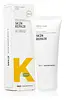
This calming moisturizer is formulated around Ruscus Aculeatus Root Extract and Glycyrrhetinic Acid to calm redness.
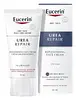
This smoothing moisturizer is formulated around Urea and Lactic Acid to refine skin texture and hydrate skin.


What's inside
What's inside
 Key Ingredients
Benefits
Concerns
Ingredients Side-by-side
C12-15 Alkyl Benzoate
AntimicrobialPropylene Glycol
Humectant


Glycerin
Humectant

Alcohol Denat.
Antimicrobial


Ceteth-10 Phosphate
CleansingDicetyl Phosphate
EmulsifyingGlyceryl Stearate
Emollient
Cetyl Alcohol
Emollient

Tocopheryl Acetate
Antioxidant


Dimethicone
Emollient
PEG-100 Stearate
Surfactant
Ruscus Aculeatus Root Extract
Astringent
Phenoxyethanol
Preservative
Artemia Extract
Skin ConditioningBenzyl Alcohol
Perfuming


Butylene Glycol
Humectant
Phytic Acid


Arnica Montana Flower Extract
Masking
Cupressus Sempervirens Seed Extract
Perfuming
Polygonatum Multiflorum Rhizome/Root Extract
Skin ConditioningCyclodextrin
AbsorbentPotassium Sorbate
Preservative
Sodium Laureth Sulfate
Cleansing
Hydroxyethylcellulose
Emulsion StabilisingParfum
Masking
Glycyrrhetinic Acid
Skin Conditioning
Sodium Hydroxide
BufferingGinkgo Biloba Leaf Extract
Skin Conditioning
Disodium EDTA
Morus Alba Root Extract
BleachingGlycine
Buffering
Glycine Soja Oil
Emollient



Gluconolactone
Skin Conditioning




Sodium Benzoate
Masking
Retinol
Skin Conditioning
Tocopherol
Antioxidant
Calcium Gluconate
HumectantC12-15 Alkyl Benzoate, Propylene Glycol, Glycerin, Alcohol Denat., Ceteth-10 Phosphate, Dicetyl Phosphate, Glyceryl Stearate, Cetyl Alcohol, Tocopheryl Acetate, Dimethicone, PEG-100 Stearate, Ruscus Aculeatus Root Extract, Phenoxyethanol, Artemia Extract, Benzyl Alcohol, Butylene Glycol, Phytic Acid, Arnica Montana Flower Extract, Cupressus Sempervirens Seed Extract, Polygonatum Multiflorum Rhizome/Root Extract, Cyclodextrin, Potassium Sorbate, Sodium Laureth Sulfate, Hydroxyethylcellulose, Parfum, Glycyrrhetinic Acid, Sodium Hydroxide, Ginkgo Biloba Leaf Extract, Disodium EDTA, Morus Alba Root Extract, Glycine, Glycine Soja Oil, Gluconolactone, Sodium Benzoate, Retinol, Tocopherol, Calcium Gluconate
Water
Skin ConditioningUrea
Buffering
Glycerin
Humectant
Triisostearin
Skin Conditioning
Pentaerythrityl Tetraisostearate
Emollient
Cyclomethicone
Emollient
Dimethicone
Emollient
Caprylic/Capric Triglyceride
Masking
Cetyl Alcohol
Emollient
Sodium Lactate
Buffering
Glyceryl Stearate
Emollient
Biosaccharide Gum-1
Humectant
Benzyl Alcohol
Perfuming
PEG-40 Stearate
Emulsifying
Methylparaben
Preservative

Lactic Acid
Buffering
Lanolin Alcohol
Emollient
Reviews
Ingredients Explained
These ingredients are found in both products.
Ingredients higher up in an ingredient list are typically present in a larger amount.
Benzyl Alcohol is an aromatic alcohol with several roles: it's a preservative, solvent, and mild fragrance component with a floral scent.
This ingredient has been deemed safe for use in cosmetic formulations at concentrations up to 5%, and up to 10% in hair dyes. You'll typically see 0.5-2% in most rinse-off or leave-on products.
As a preservative, it works by disrupting the membrane of microbial proteins. This helps keep bacteria and fungi from growing in your products.
The sensitization picture is actually quite assuring as well:of nearly 71,000 patients patch tested with benzyl alcohol, only 0.21% showed a positive reaction with most of them being weakly positive.
This led researchers to conclude that benzyl alcohol cannot be regarded as a significant contact allergen.
It is worth noting this ingredient is classified as one of the EU's regulated fragrance allergens and restricted to 1% in finished products.
Labels must also declare it in concentrations above 0.001% in leave-on products and 0.01% in rinse-off products.
At concentrations around 5%, localized redness and itching can appear as a direct irritant response and not as a true allergic reaction.
Learn more about Benzyl AlcoholCetyl Alcohol is a fatty alcohol. Fatty Alcohols are most often used as an emollient or to thicken a product.
Its main roles are:
Though it has "alcohol" in the name, it is not related to denatured alcohol or ethyl alcohol.
The FDA allows products labeled "alcohol-free" to have fatty alcohols.
This ingredient may not be fungal acne safe. It is a primary fatty alcohol with a chain length above 12 carbons. A study from 2019 show Malassezia can feed on fatty alcohols in this range, so it may trigger fungal acne in those prone to it.
Learn more about Cetyl AlcoholDimethicone is a type of synthetic silicone created from natural materials such as quartz. It is also known as polydimethylsiloxane.
What it does:
Dimethicone comes in different viscosities:
Depending on the viscosity, dimethicone has different properties.
Ingredients lists don't always show which type is used, so we recommend reaching out to the brand if you have questions about the viscosity.
This ingredient is unlikely to cause irritation because it does not get absorbed into skin. However, people with silicone allergies should be careful about using this ingredient.
Note: Dimethicone may contribute to pilling. This is because it is not oil or water soluble, so pilling may occur when layered with products. When mixed with heavy oils in a formula, the outcome is also quite greasy.
Learn more about DimethiconeGlycerin (or glycerol) is a compound naturally found in your skin. It's a powerhouse humectant that pulls water into the stratum corneum.
Topically, glycerin does several things at once:
Your skin makes glycerin on its own (mostly from sebaceous oil breakdown) and shuttles it to your outermost layer of skin, or your epidermis, via aquaporin-3.
Aquaporin-3 is a transporter that is essential for normal skin hydration, elasticity, and repair. Interestingly, mice lacking in AQP3 have dry and less elastic skin that can be fully corrected with glycerin.
This ingredient is non-irritating, plays well with almost every ingredient, and works across all skin types. Typical use is anywhere between 3-10% but can go up to 79% in some leave-on products.
Just know very high concentrations (>40%) can feel tacky in low humidity.
Glycerin is the name for this ingredient in American English. British English uses Glycerol/Glycerine.
Learn more about GlycerinGlyceryl Stearate is made by reacting glycerin with stearic acid (typically sourced from plant oils like palm or coconut). It's an emulsifier, emollient, and mild occlusive.
Emulsifiers help ingredients like oil and water stay mixed so your formula stays nicely blended and uniform in texture.
This ingredient is typically used in concentrations between 1-10%. Studies have found it to be non-sensitizing, non-phototoxic, and non-photoallergenic.
A close cousin of this ingredient is Glyceryl Stearate SE ("self-emulsifying"). This just has a small amount of sodium or potassium stearate added so it can emulsify without a co-emulsifier.
Since this ingredient is an ester of a C18 fatty acid, it may not be fungal acne safe. The Malassezia yeast can potentially metabolize within the C11-C24 range.
Fun fact: The human body also creates Glyceryl Stearate naturally.
Learn more about Glyceryl Stearate

