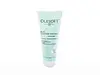
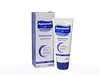
Alkem Laboratories Ltd Olesoft Lite Face Moisturizing Gel Versus Ajanta Pharma Aquasoft FC Advanced Facial Cream
This barrier-repair moisturizer is formulated around Niacinamide and Zinc PCA to strengthen the skin barrier and balance excess oil.
This barrier-repair moisturizer is formulated around Squalane and Xylitylglucoside to strengthen the skin barrier and hydrate skin.

What's inside
What's inside
 Key Ingredients
Benefits
Concerns
Ingredients Side-by-side
Water
Skin ConditioningNiacinamide
Smoothing











Glycerin
Humectant
Cetyl Alcohol
Emollient



Coconut Alkanes
Emollient

Ethylhexyl Methoxycinnamate
UV Absorber


Butyl Methoxydibenzoylmethane
UV Absorber
Phenoxyethanol
Preservative
Butylene Glycol
Humectant
Benzophenone-3
UV Absorber
PEG-100 Stearate
Surfactant
Sodium Acrylates Copolymer
Glyceryl Stearate
Emollient
Xylitylglucoside
Humectant
Stearyl Alcohol
Emollient
Propanediol
Solvent
Anhydroxylitol
Humectant
Lecithin
Emollient
Phospholipids
Skin Conditioning
Xylitol
Humectant
Ethylhexylglycerin
Skin ConditioningDisodium EDTA
ChelatingSqualene
Emollient
Zinc PCA
Humectant
Glucose
Humectant
Terminalia Ferdinandiana Fruit Extract
Antioxidant
Laminaria Digitata Extract
Skin Protecting
1,2-Hexanediol
Skin Conditioning
Hydrogenated Lecithin
Emulsifying
Cetyl-Pg Hydroxyethyl Palmitamide
Skin ConditioningCeramide EOP
Skin Conditioning
Ceramide Ns
Skin Conditioning
Ceramide NP
Skin Conditioning
Ceramide As
Skin Conditioning
Ceramide AP
Skin Conditioning
Cholesterol
Emollient
Water, Niacinamide, Glycerin, Cetyl Alcohol, Coconut Alkanes, Ethylhexyl Methoxycinnamate, Butyl Methoxydibenzoylmethane, Phenoxyethanol, Butylene Glycol, Benzophenone-3, PEG-100 Stearate, Sodium Acrylates Copolymer, Glyceryl Stearate, Xylitylglucoside, Stearyl Alcohol, Propanediol, Anhydroxylitol, Lecithin, Phospholipids, Xylitol, Ethylhexylglycerin, Disodium EDTA, Squalene, Zinc PCA, Glucose, Terminalia Ferdinandiana Fruit Extract, Laminaria Digitata Extract, 1,2-Hexanediol, Hydrogenated Lecithin, Cetyl-Pg Hydroxyethyl Palmitamide, Ceramide EOP, Ceramide Ns, Ceramide NP, Ceramide As, Ceramide AP, Cholesterol
Water
Skin ConditioningCyclopentasiloxane
Emollient
Dimethicone
Emollient
Cetearyl Alcohol
Emollient
C13-15 Alkane
SolventSqualane
Emollient
Glyceryl Stearate
Emollient
Sorbitan Stearate
Emulsifying
Xylitylglucoside
Humectant
PEG-100 Stearate
Surfactant
Stearic Acid
Cleansing
Tocopheryl Acetate
Antioxidant
Phenoxyethanol
Preservative
Anhydroxylitol
Humectant
Xylitol
Humectant
Polyacrylate-13
Dimethicone Crosspolymer
Emulsion Stabilising
BHT
Antioxidant
Polyisobutene
Glucose
Humectant
Bis-Ethylhexyloxyphenol Methoxyphenyl Triazine
UV Absorber
Cetearyl Glucoside
Emulsifying
Diethylamino Hydroxybenzoyl Hexyl Benzoate
UV Filter
Dimethiconol
Emollient
Disodium EDTA
ChelatingEthylhexylglycerin
Skin ConditioningEthylhexyl Triazone
UV Absorber
Acacia Senegal Gum
MaskingXanthan Gum
EmulsifyingSodium Hydroxide
BufferingParfum
Masking

Polysorbate 20
Emulsifying
Sorbitan Isostearate
Emulsifying
C12-15 Alkyl Benzoate
AntimicrobialPhenyl Trimethicone
Skin Conditioning
Water, Cyclopentasiloxane, Dimethicone, Cetearyl Alcohol, C13-15 Alkane, Squalane, Glyceryl Stearate, Sorbitan Stearate, Xylitylglucoside, PEG-100 Stearate, Stearic Acid, Tocopheryl Acetate, Phenoxyethanol, Anhydroxylitol, Xylitol, Polyacrylate-13, Dimethicone Crosspolymer, BHT, Polyisobutene, Glucose, Bis-Ethylhexyloxyphenol Methoxyphenyl Triazine, Cetearyl Glucoside, Diethylamino Hydroxybenzoyl Hexyl Benzoate, Dimethiconol, Disodium EDTA, Ethylhexylglycerin, Ethylhexyl Triazone, Acacia Senegal Gum, Xanthan Gum, Sodium Hydroxide, Parfum, Polysorbate 20, Sorbitan Isostearate, C12-15 Alkyl Benzoate, Phenyl Trimethicone
Reviews
Ingredients Explained
These ingredients are found in both products.
Ingredients higher up in an ingredient list are typically present in a larger amount.
This ingredient is created from dehydrating xylitol in acidic conditions. Xylitol is a famous sugar and humectant.
Much like its predecessor, anhydroxylitol is a humectant. Humectants attract and hold water to moisturize the skin.
This ingredient is most commonly found in a popular trio called Aquaxyl. Aquaxyl is made up of anhydroxylitol (24 - 34%), xylitylglucoside (35 - 50%), and xylitol (5 - 15%).
According to a manufacturer, Aquaxyl is known for a 3-D hydration concept and an anti-dehydration shield to reinforce the outer layer of skin.
This ingredient is often derived from plants such as wood and sugarcane.
Learn more about AnhydroxylitolDisodium EDTA is a chelating agent. It grabs onto and deactivates metal ions that sneak into your products from water, packaging, or air.
This ingredient mainly works behind the scenes and helps with:
On top of that, this ingredient can counteract the effects of hard water by binding to the minerals in it.
One thing worth knowing is that Disodium EDTA has been shown to be a mild penetration enhancer. It can help other ingredients absorb into skin more effectively which can be a double-edged sword (great for actives, but can also make the active too strong if you have sensitive skin).
Clinical patch testing showed no significant skin irritation at typical use concentrations and minimal dermal absorption.
You'll most likely see this ingredient near the end of an ingredient list. It's typically found in concentrations less than 1%.
Learn more about Disodium EDTAEthylhexylglycerin is created from glycerin. It is a multitasker ingredient that:
The CIR Expert Panel found minimal skin absorption or sensitization of any kind in a safety assessment. Though this ingredient is considered well-tolerated, a small number of cases of allergic dermatitis have been published since 2002. Just be sure to patch test if you are unsure.
Industry-reported use ranges from 8% in rinse-off products and 2% in leave-on formulations.
Learn more about EthylhexylglycerinGlucose is a simple sugar (a monosaccharide). In skincare, it is mostly a humectant and skin conditioning agent.
Mechanistically, it has multiple hydroxyl groups that hydrogen-bond to water. This pulls moisture into the upper layers of skin to keep the surface soft and hydrated.
It's worth knowing sugars are already a natural component of the skin's NMF (natural moisturizing factor) so it's a molecule that your stratum corneum is well-acquainted with.
Just so you know, glucose is hydrophilic (water-loving) and the stratum corneum is a strong barrier to hydrophilic compounds. This just means penetration is slow and most of the action is happening on the surface.
Gram-to-gram, glucose is not as efficient as a humectant as glycerin. This is why you'll likely see glycose paired with stronger humectants for a bigger hydration payoff.
In skincare, glucose is typically derived from corn or other starch sources.
Learn more about GlucoseGlyceryl Stearate is made by reacting glycerin with stearic acid (typically sourced from plant oils like palm or coconut). It's an emulsifier, emollient, and mild occlusive.
Emulsifiers help ingredients like oil and water stay mixed so your formula stays nicely blended and uniform in texture.
This ingredient is typically used in concentrations between 1-10%. Studies have found it to be non-sensitizing, non-phototoxic, and non-photoallergenic.
A close cousin of this ingredient is Glyceryl Stearate SE ("self-emulsifying"). This just has a small amount of sodium or potassium stearate added so it can emulsify without a co-emulsifier.
Since this ingredient is an ester of a C18 fatty acid, it may not be fungal acne safe. The Malassezia yeast can potentially metabolize within the C11-C24 range.
Fun fact: The human body also creates Glyceryl Stearate naturally.
Learn more about Glyceryl StearatePeg-100 Stearate is an emollient and emulsifier. As an emollient, it helps keep skin soft by trapping moisture in. On the other hand, emulsifiers help prevent oil and water from separating in a product.
PEGS are a hydrophilic polyether compound . There are 100 ethylene oxide monomers in Peg-100 Stearate. Peg-100 Stearate is polyethylene glycol ester of stearic acid.
Phenoxyethanol is one of the most widely used preservatives in skincare (and for good reason!).
It has a large spectrum of antimicrobial activity and especially effective bacteria, yeast, and mold while only having a weak effect on your skin's natural microbiome.
On a cellular level, it disrupts the cell membranes of microbes by poking holes that make the cell leak. This shuts down the chemical reactions the microbe needs to make energy so it can no longer survive.
Another perk of this ingredient is that it stays functional across a wide pH range (3-10).
You'll often see it paired with boosters like Ethylhexylglycerin; one study showed that a 1:9 ratio of Ethylhexylglycerin to Phenoxyethanol damages bacterial membranes as effectively as doubling the Phenoxyethanol concentration on its own.
Typical use concentrations range from 0.3-1% depending on the formula, and this ingredient is capped at 1% int the EU.
Safety-wise, the fear mongering does not hold up to the evidence. The EU's Scientific Committee on Consumer Safety and FDA consider it safe as a preservative at up to 1%, including for children of all ages.
Adverse systemic effects only showed up in animal studies at exposures roughly 200x higher than what people get from cosmetics. And despite its very widespread use, this ingredient is a rare sensitizer and allergic reactions are uncommon.
Learn more about PhenoxyethanolWater. It's the most common cosmetic ingredient of all. You'll usually see it at the top of ingredient lists, meaning that it makes up the largest part of the product.
So why is it so popular? Water most often acts as a solvent - this means that it helps dissolve other ingredients into the formulation.
You'll also recognize water as that liquid we all need to stay alive. If you see this, drink a glass of water. Remember to stay hydrated!
Learn more about WaterXylitol is a humectant and prebiotic. It can help with dry skin.
In studies, xylitol has been shown to improve dry skin. It decreased transepidermal water loss, or when water passes through the skin and evaporates. Xylitol also showed to help improve the biomechanical properties of the skin barrier.
The prebiotic property of xylitol may also help reinforce our skin's natural microbiome. Having a healthy microbiome prevents infection by bad bacteria and helps with hydration.
As a humectant, Xylitol helps draw moisture from both the air and from deeper skin layers. This helps keep skin hydrated.
Xylitol is a sugar alcohol and commonly used as a sugar substitute. It is naturally occurring in plants such as strawberries and pumpkin.
Learn more about XylitolXylitylglucoside is created from xylitol and glucose, two humectants.
Not surprisingly, this ingredient is also a humectant. It attracts and holds water in your skin, helping to maintain hydration.
This ingredient is most commonly found in a popular trio called Aquaxyl. Aquaxyl is made up of anhydroxylitol(24 - 34%), xylitylglucoside (35 - 50%), and xylitol (5 - 15%).
According to a manufacturer, Aquaxyl is known for a 3-D hydration concept and an anti-dehydration shield to reinforce the outer layer of skin.
Learn more about Xylitylglucoside


