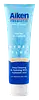
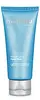
Aiken Hydra Plus Deep Cleansing & Hydrating Facial Cleanser Versus Water360 by Watsons Mineral Spring Facial Wash
This mild cream cleanser is made to cleanse without leaving your skin tight or dry.

What's inside
What's inside
 Key Ingredients
Benefits
Concerns
Ingredients Side-by-side
Water
Skin ConditioningGlycerin
Humectant


Stearic Acid
Cleansing


Myristic Acid
Cleansing

Lauric Acid
Cleansing
Potassium Hydroxide
BufferingCocamidopropyl Betaine
Cleansing

PEG-8
HumectantGlycol Distearate
Emollient
Decyl Glucoside
Cleansing
Sodium Cocoyl Alaninate
Surfactant
Acrylates Copolymer
Cocamidopropyl Pg-Dimonium Chloride Phosphate
Polyquaternium-7
Butylene Glycol
Humectant
Alpha-Glucan Oligosaccharide
Cleansing
Polymnia Sonchifolia Root Juice
Skin ConditioningAspergillus Ferment
Skin ConditioningMaltodextrin
Absorbent
Sodium Hyaluronate
Humectant


Lactobacillus
Skin ConditioningPhenoxyethanol
Preservative
Water, Glycerin, Stearic Acid, Myristic Acid, Lauric Acid, Potassium Hydroxide, Cocamidopropyl Betaine, PEG-8, Glycol Distearate, Decyl Glucoside, Sodium Cocoyl Alaninate, Acrylates Copolymer, Cocamidopropyl Pg-Dimonium Chloride Phosphate, Polyquaternium-7, Butylene Glycol, Alpha-Glucan Oligosaccharide, Polymnia Sonchifolia Root Juice, Aspergillus Ferment, Maltodextrin, Sodium Hyaluronate, Lactobacillus, Phenoxyethanol
Water
Skin ConditioningGlycerin
Humectant
Sodium Cocoyl Glycinate
Cleansing
Disodium Lauryl Sulfosuccinate
CleansingSodium Chloride
MaskingCocamide DEA
Emulsifying
Glycol Distearate
Emollient
Ceramide AP
Skin Conditioning

Ceramide NP
Skin Conditioning
Ceramide Ns
Skin Conditioning
Glycolipids
Skin ConditioningGlycosphingolipids
EmollientMaris Limus Extract
Skin ProtectingHydroxypropyltrimonium Hyaluronate
Sodium Acetylated Hyaluronate
Humectant
Hydrolyzed Hyaluronic Acid
Humectant
Hyaluronic Acid
Humectant
Hydrolyzed Sodium Hyaluronate
Skin Conditioning
Sodium Hyaluronate Crosspolymer
Humectant
Potassium Hyaluronate
Skin ConditioningSodium Hyaluronate
Humectant
Phenylalanine
Masking
Tyrosine
MaskingLeucine
Skin ConditioningIsoleucine
Skin ConditioningValine
MaskingAlanine
Masking
Proline
Skin Conditioning
Glutamic Acid
Humectant
Serine
Masking
Threonine
Aspartic Acid
Masking
Arginine
Masking
Lysine
Skin ConditioningHistidine
Humectant
Limonium Vulgare Flower/Leaf/Stem Extract
Skin ConditioningHydrolyzed Corallina Officinalis Extract
Skin ConditioningChondrus Crispus Extract
Skin Conditioning
Glucose
Humectant
Sorbitol
Humectant
Xylitol
Humectant
Panthenol
Skin Conditioning
Propylene Glycol
Humectant
Pentylene Glycol
Skin Conditioning
Butylene Glycol
Humectant
Cocamidopropyl Betaine
Cleansing
Citric Acid
Buffering

Lauric Acid
Cleansing
Myristic Acid
Cleansing
Allantoin
Skin Conditioning
Xanthan Gum
Emulsifying1,2-Hexanediol
Skin Conditioning
Glyceryl Caprylate
EmollientCaprylyl Glycol
Emollient
Ethylhexylglycerin
Skin ConditioningCaprylhydroxamic Acid
ChelatingPhenoxyethanol
Preservative
Chlorphenesin
Antimicrobial
Potassium Sorbate
Preservative
Sodium Benzoate
Masking
Disodium EDTA
ChelatingParfum
Masking

Water, Glycerin, Sodium Cocoyl Glycinate, Disodium Lauryl Sulfosuccinate, Sodium Chloride, Cocamide DEA, Glycol Distearate, Ceramide AP, Ceramide NP, Ceramide Ns, Glycolipids, Glycosphingolipids, Maris Limus Extract, Hydroxypropyltrimonium Hyaluronate, Sodium Acetylated Hyaluronate, Hydrolyzed Hyaluronic Acid, Hyaluronic Acid, Hydrolyzed Sodium Hyaluronate, Sodium Hyaluronate Crosspolymer, Potassium Hyaluronate, Sodium Hyaluronate, Phenylalanine, Tyrosine, Leucine, Isoleucine, Valine, Alanine, Proline, Glutamic Acid, Serine, Threonine, Aspartic Acid, Arginine, Lysine, Histidine, Limonium Vulgare Flower/Leaf/Stem Extract, Hydrolyzed Corallina Officinalis Extract, Chondrus Crispus Extract, Glucose, Sorbitol, Xylitol, Panthenol, Propylene Glycol, Pentylene Glycol, Butylene Glycol, Cocamidopropyl Betaine, Citric Acid, Lauric Acid, Myristic Acid, Allantoin, Xanthan Gum, 1,2-Hexanediol, Glyceryl Caprylate, Caprylyl Glycol, Ethylhexylglycerin, Caprylhydroxamic Acid, Phenoxyethanol, Chlorphenesin, Potassium Sorbate, Sodium Benzoate, Disodium EDTA, Parfum
Ingredients Explained
These ingredients are found in both products.
Ingredients higher up in an ingredient list are typically present in a larger amount.
Butylene Glycol (or BG) is used within cosmetic products for a few different reasons:
Overall, Butylene Glycol is a safe and well-rounded ingredient that works well with other ingredients.
Though this ingredient works well with most skin types, some people with sensitive skin may experience a reaction such as allergic rashes, closed comedones, or itchiness.
Learn more about Butylene GlycolCocamidopropyl Betaine is a fatty acid created by mixing similar compounds in coconut oil and dimethylaminopropylamine, a compound with two amino groups.
This ingredient is a surfactant and cleanser. It helps gather the dirt, pollutants, and other impurities in your skin to be washed away. It also helps thicken a product and make the texture more creamy.
Being created from coconut oil means Cocamidopropyl Betaine is hydrating for the skin.
While Cocamidopropyl Betaine was believed to be an allergen, a study from 2012 disproved this. It found two compounds in unpure Cocamidopropyl Betaine to be the irritants: aminoamide and 3-dimethylaminopropylamine. High-grade and pure Cocamidopropyl Betaine did not induce allergic reactions during this study.
Learn more about Cocamidopropyl BetaineGlycerin (or glycerol) is a compound naturally found in your skin. It's a powerhouse humectant that pulls water into the stratum corneum.
Topically, glycerin does several things at once:
Your skin makes glycerin on its own (mostly from sebaceous oil breakdown) and shuttles it to your outermost layer of skin, or your epidermis, via aquaporin-3.
Aquaporin-3 is a transporter that is essential for normal skin hydration, elasticity, and repair. Interestingly, mice lacking in AQP3 have dry and less elastic skin that can be fully corrected with glycerin.
This ingredient is non-irritating, plays well with almost every ingredient, and works across all skin types. Typical use is anywhere between 3-10% but can go up to 79% in some leave-on products.
Just know very high concentrations (>40%) can feel tacky in low humidity.
Glycerin is the name for this ingredient in American English. British English uses Glycerol/Glycerine.
Learn more about GlycerinGlycol Distearate is an emulsifier and emollient that adds a "pearly" appearance to formulations.
That lustrous look you see in many shampoos is due to this ingredient: when cooled, it crystallizes into small platelets that reflect light to give products that rich, shimmering look.
This ingredient is considered safe at present practices of use and concentration and repeated insult patch test with 50% Glycol Distearate on 125 subjects found no evidence of skin irritation, hypersensitivity, or acute toxicity.
Typical use concentrations range from 0.1-10%.
Because it's an ester of stearic acid, it falls into the range that Malassezia likes to metabolize. This ingredient may not be fungal acne safe.
Learn more about Glycol DistearateLauric Acid is a saturated fatty acid naturally found in coconut oil, palm kernel oil, and even breast milk.
In cosmetics, it is an:
Lab studies have found that lauric acid is surprisingly good at killing acne-causing bacteria. However, these tests were done on bacteria in a petri dish and not on real skin, so we can't say for certain it works the same in a formulation on a real face.
The comedogenic rating of 4 comes from the 1972 rabbit ear model using undiluted ingredients. Comedogenicity is highly individual and one comedogenic ingredient cannot predict how a formula will behave on skin.
This ingredient is not fungal acne safe and research has confirmed Malassezia can use it as a food source. Even though "fungal acne" has the word "acne" in it, they are completely different. Regular acne is driven by a bacteria called Cutibacterium acnes, clogged pores, and excess oil. Fungal acne isn't really acne; it's caused by an overgrowth of a yeast called Malassezia that already lives on everyone's skin. Because one is bacterial and the other is fungal, they respond to different ingredients.
Learn more about Lauric AcidMyristic Acid, aka tetradecanoic acid, is a naturally occurring fatty acid found in coconut oil, milk fat, and palm oil.
In skincare, it is an:
Research indicates that this ingredient posts a low risk of irritation and sensitization.
Industry survey data collected for this ingredient puts real-world usage concentrations anywhere from 0.00002% to 20% (most of the high end sits in rinse-off products).
Myristic Acid is not a recognized contact allergen and there are no published case reports of allergic contact dermatitis to it. Human testing found it to be non-irritating at 100% and at 40-50% in mineral oil. There are complaints about high-Myristic-acid cleansers leaving a tight feeling behind, but that has more to do with soap chemistry and pH than an allergy.
This ingredient does have a comedogenic rating of 3, but this doesn't mean a formula with this ingredient will clog pores.
Human testing has proved that any finished product with this ingredient won't automatically make you break out; it really comes down to concentration, formula, and your skin. Some people still find it breaks them out. So if that's you, definitely trust your skin.
Since myristic acid is a C14 fatty acid, it falls within the range that Malassezia can metabolize (C11-24), and therefore may not be fungal acne safe.
Learn more about Myristic AcidPhenoxyethanol is one of the most widely used preservatives in skincare (and for good reason!).
It has a large spectrum of antimicrobial activity and especially effective bacteria, yeast, and mold while only having a weak effect on your skin's natural microbiome.
On a cellular level, it disrupts the cell membranes of microbes by poking holes that make the cell leak. This shuts down the chemical reactions the microbe needs to make energy so it can no longer survive.
Another perk of this ingredient is that it stays functional across a wide pH range (3-10).
You'll often see it paired with boosters like Ethylhexylglycerin; one study showed that a 1:9 ratio of Ethylhexylglycerin to Phenoxyethanol damages bacterial membranes as effectively as doubling the Phenoxyethanol concentration on its own.
Typical use concentrations range from 0.3-1% depending on the formula, and this ingredient is capped at 1% int the EU.
Safety-wise, the fear mongering does not hold up to the evidence. The EU's Scientific Committee on Consumer Safety and FDA consider it safe as a preservative at up to 1%, including for children of all ages.
Adverse systemic effects only showed up in animal studies at exposures roughly 200x higher than what people get from cosmetics. And despite its very widespread use, this ingredient is a rare sensitizer and allergic reactions are uncommon.
Learn more about PhenoxyethanolSodium Hyaluronate is the salt form of hyaluronic acid. It is a long sugar chain that is naturally found in your skin, joints, and connective tissue that maintains hydration and elasticity.
In skincare, it works as a humectant. It pulls water from the environment and deeper layers of skin and binds it to the surface.
Interestingly, the size of the molecule affects its behavior:
Some clinical evidence links low molecular weight versions to improved wrinkle depth, elasticity, anti-inflammatory effects, and barrier repair.
Many serums use a blend of both weights so you can get surface hydration plus longer-lasting and deeper effects.
You'll typically see concentrations between 0.1-2% for this ingredient.
Learn more about Sodium HyaluronateWater. It's the most common cosmetic ingredient of all. You'll usually see it at the top of ingredient lists, meaning that it makes up the largest part of the product.
So why is it so popular? Water most often acts as a solvent - this means that it helps dissolve other ingredients into the formulation.
You'll also recognize water as that liquid we all need to stay alive. If you see this, drink a glass of water. Remember to stay hydrated!
Learn more about Water

