
What's inside
What's inside
 Key Ingredients
Benefits
Concerns
No concerns
Ingredients Side-by-side
Water
Skin ConditioningCaprylic/Capric Triglyceride
Masking
Propanediol
Solvent
Glycerin
Humectant


Tocopherol
Antioxidant


Ascorbyl Glucoside
Antioxidant



Bakuchiol
Antimicrobial


Solanum Melongena Fruit Extract
Skin ConditioningCurcuma Longa Root Extract
Masking
Ocimum Basilicum Flower/Leaf Extract
TonicCoccinia Indica Fruit Extract
Skin ConditioningAloe Barbadensis Flower Extract
EmollientMelia Azadirachta Flower Extract
Skin ConditioningMelia Azadirachta Leaf Extract
Skin ConditioningOcimum Sanctum Leaf Extract
Skin Conditioning
Marrubium Vulgare Extract
Skin ConditioningCorallina Officinalis Extract
Skin Conditioning
Simmondsia Chinensis Seed Oil
Emollient

Xanthan Gum
EmulsifyingSodium Levulinate
Skin ConditioningPotassium Sorbate
Preservative
Sodium Benzoate
Masking
Citric Acid
Buffering


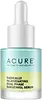
Water, Caprylic/Capric Triglyceride, Propanediol, Glycerin, Tocopherol, Ascorbyl Glucoside, Bakuchiol, Solanum Melongena Fruit Extract, Curcuma Longa Root Extract, Ocimum Basilicum Flower/Leaf Extract, Coccinia Indica Fruit Extract, Aloe Barbadensis Flower Extract, Melia Azadirachta Flower Extract, Melia Azadirachta Leaf Extract, Ocimum Sanctum Leaf Extract, Marrubium Vulgare Extract, Corallina Officinalis Extract, Simmondsia Chinensis Seed Oil, Xanthan Gum, Sodium Levulinate, Potassium Sorbate, Sodium Benzoate, Citric Acid
Water
Skin ConditioningGlycerin
Humectant
Cetearyl Alcohol
Emollient


Cetearyl Olivate
Sclerocarya Birrea Seed Oil
Humectant
Coconut Alkanes
Emollient
Sorbitan Olivate
Emulsifying
Ascorbyl Glucoside
Antioxidant
Palmitoyl Tripeptide-1
Skin Conditioning
Palmitoyl Tetrapeptide-7
Skin Conditioning
Sh-Polypeptide-1
Skin Conditioning
Sh-Polypeptide-9
Skin Conditioning
Sh-Polypeptide-11
Sh-Oligopeptide-1
Skin Conditioning
Sh-Oligopeptide-2
Skin Conditioning
Acetyl Glutamine
Skin ConditioningCopper Palmitoyl Heptapeptide-14
Skin Conditioning
Heptapeptide-15 Palmitate
Skin Conditioning
Pseudoalteromonas Ferment Extract
Humectant
Ferulic Acid
Antimicrobial
Nymphaea Odorata Root Extract
RefreshingSymphytum Officinale Root Cell Extract
Skin ConditioningSodium PCA
Humectant
Salicylic Acid
Masking



Sodium Hyaluronate
Humectant
Lecithin
Emollient
Isomalt
HumectantLinoleic Acid
Cleansing
Linolenic Acid
Cleansing
Sodium Anisate
AntimicrobialXanthan Gum
EmulsifyingBacillus/Folic Acid Ferment Filtrate Extract
Antioxidant
Sodium Levulinate
Skin ConditioningCaprylyl Glycol
Emollient
Coco-Caprylate/Caprate
Emollient
Glyceryl Caprylate
EmollientLactic Acid/Glycolic Acid Copolymer
Skin ConditioningSorbitan Isostearate
Emulsifying
Carbomer
Emulsion StabilisingPolysorbate 20
Emulsifying
Butylene Glycol
Humectant
Propanediol
Solvent
1,2-Hexanediol
Skin Conditioning
Polyvinyl Alcohol
Citric Acid
Buffering
Water, Glycerin, Cetearyl Alcohol, Cetearyl Olivate, Sclerocarya Birrea Seed Oil, Coconut Alkanes, Sorbitan Olivate, Ascorbyl Glucoside, Palmitoyl Tripeptide-1, Palmitoyl Tetrapeptide-7, Sh-Polypeptide-1, Sh-Polypeptide-9, Sh-Polypeptide-11, Sh-Oligopeptide-1, Sh-Oligopeptide-2, Acetyl Glutamine, Copper Palmitoyl Heptapeptide-14, Heptapeptide-15 Palmitate, Pseudoalteromonas Ferment Extract, Ferulic Acid, Nymphaea Odorata Root Extract, Symphytum Officinale Root Cell Extract, Sodium PCA, Salicylic Acid, Sodium Hyaluronate, Lecithin, Isomalt, Linoleic Acid, Linolenic Acid, Sodium Anisate, Xanthan Gum, Bacillus/Folic Acid Ferment Filtrate Extract, Sodium Levulinate, Caprylyl Glycol, Coco-Caprylate/Caprate, Glyceryl Caprylate, Lactic Acid/Glycolic Acid Copolymer, Sorbitan Isostearate, Carbomer, Polysorbate 20, Butylene Glycol, Propanediol, 1,2-Hexanediol, Polyvinyl Alcohol, Citric Acid
Reviews
Ingredients Explained
These ingredients are found in both products.
Ingredients higher up in an ingredient list are typically present in a larger amount.
Ascorbyl Glucoside is a stable form of Vitamin C. It is created by combining glucose from starch.
When applied to skin, Ascorbyl Glucoside turns into Ascorbic Acid.
Ascorbyl Glucoside is an antioxidant. Antioxidants help fight free-radicals, or molecules that may damage skin cells.
It can help to reduce redness, improve skin texture, reduce the effects of aging, reduce the visibility of dark spots, and brighten skin.
Read more about other types of Vitamin C:
Learn more about Ascorbyl GlucosideCitric Acid is an alpha hydroxy acid (AHA) naturally found in citrus fruits like oranges, lemons, and limes.
Like other AHAs, citric acid can exfoliate skin by breaking down the bonds that hold dead skin cells together. This helps reveal smoother and brighter skin underneath.
However, this exfoliating effect only happens at high concentrations (20%) which can be hard to find in cosmetic products.
Due to this, citric acid is usually included in small amounts as a pH adjuster. This helps keep products slightly more acidic and compatible with skin's natural pH.
In skincare formulas, citric acid can:
While it can provide some skin benefits, research shows lactic acid and glycolic acid are generally more effective and less irritating exfoliants.
Most citric acid used in skincare today is made by fermenting sugars (usually from molasses). This synthetic version is identical to the natural citrus form but easier to stabilize and use in formulations.
Read more about some other popular AHA's here:
Learn more about Citric AcidGlycerin is already naturally found in your skin. It helps moisturize and protect your skin.
A study from 2016 found glycerin to be more effective as a humectant than AHAs and hyaluronic acid.
As a humectant, it helps the skin stay hydrated by pulling moisture to your skin. The low molecular weight of glycerin allows it to pull moisture into the deeper layers of your skin.
Hydrated skin improves your skin barrier; Your skin barrier helps protect against irritants and bacteria.
Glycerin has also been found to have antimicrobial and antiviral properties. Due to these properties, glycerin is often used in wound and burn treatments.
In cosmetics, glycerin is usually derived from plants such as soybean or palm. However, it can also be sourced from animals, such as tallow or animal fat.
This ingredient is organic, colorless, odorless, and non-toxic.
Glycerin is the name for this ingredient in American English. British English uses Glycerol/Glycerine.
Learn more about GlycerinPropanediol is an all-star ingredient. It softens, hydrates, and smooths the skin.
It’s often used to:
Propanediol is not likely to cause sensitivity and considered safe to use. It is derived from corn or petroleum with a clear color and no scent.
Learn more about PropanediolSodium levulinate is the a sodium salt of Levulinic Acid. If dissolved in an aqueous solution, the two ingredients become identical.
It is a skin conditioning agent, meaning it helps soften and hydrate your skin.
According to Cosmetic Ingredient Review, the highest amounts of sodium levulinate are found in mouthwashes at 0.62%.
Learn more about Sodium LevulinateWater. It's the most common cosmetic ingredient of all. You'll usually see it at the top of ingredient lists, meaning that it makes up the largest part of the product.
So why is it so popular? Water most often acts as a solvent - this means that it helps dissolve other ingredients into the formulation.
You'll also recognize water as that liquid we all need to stay alive. If you see this, drink a glass of water. Stay hydrated!
Learn more about WaterXanthan gum is used as a stabilizer and thickener within cosmetic products. It helps give products a sticky, thick feeling - preventing them from being too runny.
On the technical side of things, xanthan gum is a polysaccharide - a combination consisting of multiple sugar molecules bonded together.
Xanthan gum is a pretty common and great ingredient. It is a natural, non-toxic, non-irritating ingredient that is also commonly used in food products.
Learn more about Xanthan Gum
