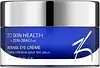
This anti-aging eye moisturizer is formulated around Retinol and Palmitoyl Tripeptide-1 to soften the look of wrinkles and refine skin texture.
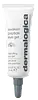
This anti-aging eye moisturizer is formulated around Palmitoyl Tetrapeptide-7 and Caffeine to soften the look of wrinkles and calm redness.

What's inside
What's inside
 Key Ingredients
Benefits
Concerns
Ingredients Side-by-side
Water
Skin ConditioningCaprylic/Capric Triglyceride
Masking


Butylene Glycol
Humectant
Polymethylsilsesquioxane/Silica Crosspolymer
Glycine Soja Oil
Emollient







Cetearyl Alcohol
Emollient
Glyceryl Stearate
Emollient
PEG-100 Stearate
Surfactant
Glycerin
Humectant
Palmitic Acid
Emollient
Lavandula Stoechas Extract
MaskingTocopheryl Acetate
Antioxidant


Retinol
Skin Conditioning






Acetyl Tetrapeptide-5
Humectant
Palmitoyl Tripeptide-1
Skin Conditioning
Palmitoyl Tetrapeptide-7
Skin Conditioning
Mica
Cosmetic ColorantCaprylyl Glycol
Emollient
Xanthan Gum
EmulsifyingLinoleic Acid
Cleansing
Hexylene Glycol
EmulsifyingLecithin
Emollient
Oleic Acid
Emollient
Glucose
Humectant
Stearic Acid
Cleansing
Cetearyl Glucoside
Emulsifying
Carbomer
Emulsion StabilisingTin Oxide
Abrasive
Cetyl Alcohol
Emollient
Polysorbate 20
Emulsifying
Disodium EDTA
Sodium Lactate
Buffering
Citric Acid
Buffering
Sodium Hydroxide
BufferingPhenoxyethanol
Preservative
Ethylhexylglycerin
Skin ConditioningSorbic Acid
Preservative
CI 77891
Cosmetic ColorantWater, Caprylic/Capric Triglyceride, Butylene Glycol, Polymethylsilsesquioxane/Silica Crosspolymer, Glycine Soja Oil, Cetearyl Alcohol, Glyceryl Stearate, PEG-100 Stearate, Glycerin, Palmitic Acid, Lavandula Stoechas Extract, Tocopheryl Acetate, Retinol, Acetyl Tetrapeptide-5, Palmitoyl Tripeptide-1, Palmitoyl Tetrapeptide-7, Mica, Caprylyl Glycol, Xanthan Gum, Linoleic Acid, Hexylene Glycol, Lecithin, Oleic Acid, Glucose, Stearic Acid, Cetearyl Glucoside, Carbomer, Tin Oxide, Cetyl Alcohol, Polysorbate 20, Disodium EDTA, Sodium Lactate, Citric Acid, Sodium Hydroxide, Phenoxyethanol, Ethylhexylglycerin, Sorbic Acid, CI 77891
Water
Skin ConditioningPolysilicone-11

Glycerin
Humectant
Maltodextrin
Absorbent
Magnesium Aluminum Silicate
Absorbent
Butylene Glycol
Humectant
Pyrus Malus Fruit Extract
Skin Conditioning
Palmitoyl Tetrapeptide-7
Skin Conditioning
Caffeine
Skin Conditioning
Rosmarinus Officinalis Leaf Extract
AntimicrobialColeus Forskohlii Root Extract
EmollientHelichrysum Italicum Extract
AntiseborrhoeicVoandzeia Subterranea Seed Extract
Skin ConditioningLactic Acid
Buffering
Hydrolyzed Jojoba Esters
Skin Conditioning
Pentylene Glycol
Skin Conditioning
Hydroxyacetophenone
Antioxidant
Diosmine
Antioxidant
Polyglyceryl-10 Laurate
Skin Conditioning
Caprylyl Glycol
Emollient
Laureth-12
EmulsifyingChrysin
Skin ConditioningXanthan Gum
EmulsifyingEthylhexylglycerin
Skin ConditioningPolyglyceryl-4 Caprate
EmulsifyingSorbitan Oleate
Emulsifying
Tetrasodium Glutamate Diacetate
CI 77120
Cosmetic ColorantSodium Carbonate
BufferingPolysorbate 20
Emulsifying
Sodium Hydroxide
BufferingPropanediol
Solvent
Sodium Polyacryloyldimethyl Taurate
Emulsion StabilisingSuccinic Acid
BufferingWater, Polysilicone-11, Glycerin, Maltodextrin, Magnesium Aluminum Silicate, Butylene Glycol, Pyrus Malus Fruit Extract, Palmitoyl Tetrapeptide-7, Caffeine, Rosmarinus Officinalis Leaf Extract, Coleus Forskohlii Root Extract, Helichrysum Italicum Extract, Voandzeia Subterranea Seed Extract, Lactic Acid, Hydrolyzed Jojoba Esters, Pentylene Glycol, Hydroxyacetophenone, Diosmine, Polyglyceryl-10 Laurate, Caprylyl Glycol, Laureth-12, Chrysin, Xanthan Gum, Ethylhexylglycerin, Polyglyceryl-4 Caprate, Sorbitan Oleate, Tetrasodium Glutamate Diacetate, CI 77120, Sodium Carbonate, Polysorbate 20, Sodium Hydroxide, Propanediol, Sodium Polyacryloyldimethyl Taurate, Succinic Acid
Ingredients Explained
These ingredients are found in both products.
Ingredients higher up in an ingredient list are typically present in a larger amount.
Butylene Glycol (or BG) is used within cosmetic products for a few different reasons:
Overall, Butylene Glycol is a safe and well-rounded ingredient that works well with other ingredients.
Though this ingredient works well with most skin types, some people with sensitive skin may experience a reaction such as allergic rashes, closed comedones, or itchiness.
Learn more about Butylene GlycolCaprylyl Glycol is a humectant, skin conditioner, emollient, and preservative booster derived from either caprylic acid or synthetically created.
Typical use levels vary from 0.3-1% as a preservative booster and go up to 2% to condition skin.
Because it is not a free-fatty acid, this ingredient is fungal acne safe (there's nothing for Malassezia to feed on).
Learn more about Caprylyl GlycolEthylhexylglycerin is created from glycerin. It is a multitasker ingredient that:
The CIR Expert Panel found minimal skin absorption or sensitization of any kind in a safety assessment. Though this ingredient is considered well-tolerated, a small number of cases of allergic dermatitis have been published since 2002. Just be sure to patch test if you are unsure.
Industry-reported use ranges from 8% in rinse-off products and 2% in leave-on formulations.
Learn more about EthylhexylglycerinGlycerin (or glycerol) is a compound naturally found in your skin. It's a powerhouse humectant that pulls water into the stratum corneum.
Topically, glycerin does several things at once:
Your skin makes glycerin on its own (mostly from sebaceous oil breakdown) and shuttles it to your outermost layer of skin, or your epidermis, via aquaporin-3.
Aquaporin-3 is a transporter that is essential for normal skin hydration, elasticity, and repair. Interestingly, mice lacking in AQP3 have dry and less elastic skin that can be fully corrected with glycerin.
This ingredient is non-irritating, plays well with almost every ingredient, and works across all skin types. Typical use is anywhere between 3-10% but can go up to 79% in some leave-on products.
Just know very high concentrations (>40%) can feel tacky in low humidity.
Glycerin is the name for this ingredient in American English. British English uses Glycerol/Glycerine.
Learn more about GlycerinPalmitoyl Tetrapeptide-7 (formerly Palmitoyl Tetrapeptide-3) is a synthetic peptide. Its main job is to fight what researchers call "inflammaging".
"Inflammaging" is the slow, low-grade chronic inflammation that quietly breaks down collagen as we age.
This ingredient calms down a specific inflammation signal in your skin cells (called IL-6). When left unchecked, this signal triggers enzymes that break down collagen and elastin.
Clinical testing showed statistically significant improvements in:
Studies also found the more of this ingredient used, the more your skin produces Collagen I, fibronectin, and hyaluronic acid.
You'll likely see this ingredient paired with Palmitoyl Tripeptide-1 in the well-known Matrixyl 3000 complex for enhanced anti-aging effects.
A 3% concentration applied twice daily for two months showed meaningful skin rejuvenation results in clinical panels.
Fungal acne note:
Usually a palmitic acid component can feed Malassezia in unbound form, but here is is covalently bonded to the peptide. This means it is very difficult for Malassezia to access, and therefore very unlikely to cause fungal acne.
Polysorbate 20 is a gentle, water-soluble emulsifier and mild surfactant. It stops oil and water from separating to keep your formulas blended and stable.
It also acts as a mild penetration enhancer by helping active ingredients absorb slightly better.
The common safety discussion around this ingredient involves a manufacturing byproduct called 1,4-dioxane.
Trace amounts can form during production but the EU's Scientific Committee on Consumer Safety has concluded that levels at/below 10 ppm in finished products are safe (commercial products consistently fall within acceptable margins).
True allergic reactions are uncommon and the CIR Expert Panel has confirmed this ingredient to be safe as used in cosmetics.
Because it is derived from lauric acid, it may not be fungal acne safe.
Learn more about Polysorbate 20Sodium Hydroxide is also known as lye or caustic soda. It is used to adjust the pH of products; many ingredients require a specific pH to be effective.
In small amounts, sodium hydroxide is considered safe to use. However, large amounts may cause chemical burns due to its high alkaline.
Your skin has a natural pH and acid mantle. This acid mantle helps prevent harmful bacteria from breaking through. The acid mantle also helps keep your skin hydrated.
"Alkaline" refers to a high pH level. A low pH level would be considered acidic.
Learn more about Sodium HydroxideWater. It's the most common cosmetic ingredient of all. You'll usually see it at the top of ingredient lists, meaning that it makes up the largest part of the product.
So why is it so popular? Water most often acts as a solvent - this means that it helps dissolve other ingredients into the formulation.
You'll also recognize water as that liquid we all need to stay alive. If you see this, drink a glass of water. Remember to stay hydrated!
Learn more about WaterXanthan gum is used as a stabilizer and thickener within cosmetic products. It helps give products a sticky, thick feeling - preventing them from being too runny.
On the technical side of things, xanthan gum is a polysaccharide - a combination consisting of multiple sugar molecules bonded together.
Xanthan gum is a pretty common and great ingredient. It is a natural, non-toxic, non-irritating ingredient that is also commonly used in food products.
Learn more about Xanthan Gum

