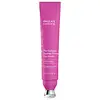
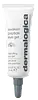
Paula's Choice Pro-Collagen Peptide Firming Eye Serum Versus Dermalogica Awaken Peptide Depuffing Eye Gel
This anti-aging eye moisturizer is formulated around Squalane and Palmitoyl Tetrapeptide-7 to soften the look of wrinkles and hydrate skin.
This anti-aging eye moisturizer is formulated around Palmitoyl Tetrapeptide-7 and Caffeine to soften the look of wrinkles and calm redness.

What's inside
What's inside
 Key Ingredients
Benefits
Concerns
Ingredients Side-by-side
Water
Skin ConditioningDimethicone
Emollient

Pentylene Glycol
Skin Conditioning
Silica
Abrasive


Squalane
Emollient

Undecane
EmollientGlycerin
Humectant
Pyrus Malus Fruit Extract
Skin Conditioning
Tridecane
Perfuming

1,2-Hexanediol
Skin Conditioning
Ammonium Acryloyldimethyltaurate/Vp Copolymer
Cetyl Alcohol
Emollient



Polyglyceryl-10 Laurate
Skin Conditioning
Polyglyceryl-4 Caprate
EmulsifyingHydroxyacetophenone
Antioxidant
Propanediol
Solvent
Tridecapeptide-1
Skin Conditioning
Palmitoyl Tetrapeptide-7
Skin Conditioning
Acetyl Hexapeptide-8
Humectant
Arginine/Lysine Polypeptide
Skin Conditioning
Acrylates/C10-30 Alkyl Acrylate Crosspolymer
Emulsion StabilisingSodium Phytate
ChelatingSorbitan Oleate
Emulsifying

Diosmine
Antioxidant
Coleus Forskohlii Root Extract
EmollientCaprylyl Glycol
Emollient
Xanthan Gum
EmulsifyingGlyceryl Caprylate
EmollientPseudoalteromonas Ferment Extract
Humectant
Tocopherol
Antioxidant


Water, Dimethicone, Pentylene Glycol, Silica, Squalane, Undecane, Glycerin, Pyrus Malus Fruit Extract, Tridecane, 1,2-Hexanediol, Ammonium Acryloyldimethyltaurate/Vp Copolymer, Cetyl Alcohol, Polyglyceryl-10 Laurate, Polyglyceryl-4 Caprate, Hydroxyacetophenone, Propanediol, Tridecapeptide-1, Palmitoyl Tetrapeptide-7, Acetyl Hexapeptide-8, Arginine/Lysine Polypeptide, Acrylates/C10-30 Alkyl Acrylate Crosspolymer, Sodium Phytate, Sorbitan Oleate, Diosmine, Coleus Forskohlii Root Extract, Caprylyl Glycol, Xanthan Gum, Glyceryl Caprylate, Pseudoalteromonas Ferment Extract, Tocopherol
Water
Skin ConditioningPolysilicone-11
Glycerin
Humectant
Maltodextrin
Absorbent
Magnesium Aluminum Silicate
Absorbent
Butylene Glycol
Humectant
Pyrus Malus Fruit Extract
Skin Conditioning
Palmitoyl Tetrapeptide-7
Skin Conditioning
Caffeine
Skin Conditioning
Rosmarinus Officinalis Leaf Extract
AntimicrobialColeus Forskohlii Root Extract
EmollientHelichrysum Italicum Extract
AntiseborrhoeicVoandzeia Subterranea Seed Extract
Skin ConditioningLactic Acid
Buffering

Hydrolyzed Jojoba Esters
Skin Conditioning
Pentylene Glycol
Skin Conditioning
Hydroxyacetophenone
Antioxidant
Diosmine
Antioxidant
Polyglyceryl-10 Laurate
Skin Conditioning
Caprylyl Glycol
Emollient
Laureth-12
EmulsifyingChrysin
Skin ConditioningXanthan Gum
EmulsifyingEthylhexylglycerin
Skin ConditioningPolyglyceryl-4 Caprate
EmulsifyingSorbitan Oleate
Emulsifying
Tetrasodium Glutamate Diacetate
ChelatingCI 77120
Cosmetic ColorantSodium Carbonate
BufferingPolysorbate 20
Emulsifying
Sodium Hydroxide
BufferingPropanediol
Solvent
Sodium Polyacryloyldimethyl Taurate
Emulsion StabilisingSuccinic Acid
BufferingWater, Polysilicone-11, Glycerin, Maltodextrin, Magnesium Aluminum Silicate, Butylene Glycol, Pyrus Malus Fruit Extract, Palmitoyl Tetrapeptide-7, Caffeine, Rosmarinus Officinalis Leaf Extract, Coleus Forskohlii Root Extract, Helichrysum Italicum Extract, Voandzeia Subterranea Seed Extract, Lactic Acid, Hydrolyzed Jojoba Esters, Pentylene Glycol, Hydroxyacetophenone, Diosmine, Polyglyceryl-10 Laurate, Caprylyl Glycol, Laureth-12, Chrysin, Xanthan Gum, Ethylhexylglycerin, Polyglyceryl-4 Caprate, Sorbitan Oleate, Tetrasodium Glutamate Diacetate, CI 77120, Sodium Carbonate, Polysorbate 20, Sodium Hydroxide, Propanediol, Sodium Polyacryloyldimethyl Taurate, Succinic Acid
Reviews
Ingredients Explained
These ingredients are found in both products.
Ingredients higher up in an ingredient list are typically present in a larger amount.
Caprylyl Glycol is a humectant, skin conditioner, emollient, and preservative booster derived from either caprylic acid or synthetically created.
Typical use levels vary from 0.3-1% as a preservative booster and go up to 2% to condition skin.
Because it is not a free-fatty acid, this ingredient is fungal acne safe (there's nothing for Malassezia to feed on).
Learn more about Caprylyl GlycolWe don't have a description for Coleus Forskohlii Root Extract yet.
Diosmine is an antioxidant. It can help to reduce redness.
Glycerin (or glycerol) is a compound naturally found in your skin. It's a powerhouse humectant that pulls water into the stratum corneum.
Topically, glycerin does several things at once:
Your skin makes glycerin on its own (mostly from sebaceous oil breakdown) and shuttles it to your outermost layer of skin, or your epidermis, via aquaporin-3.
Aquaporin-3 is a transporter that is essential for normal skin hydration, elasticity, and repair. Interestingly, mice lacking in AQP3 have dry and less elastic skin that can be fully corrected with glycerin.
This ingredient is non-irritating, plays well with almost every ingredient, and works across all skin types. Typical use is anywhere between 3-10% but can go up to 79% in some leave-on products.
Just know very high concentrations (>40%) can feel tacky in low humidity.
Glycerin is the name for this ingredient in American English. British English uses Glycerol/Glycerine.
Learn more about GlycerinHydroxyacetophenone is a small phenolic molecule that earns its place in a formulas as an antioxidant and preservative booster.
As a phenol, it is able to neutralize free radicals to protect both the product and the skin from oxidative stress.
Though it can't kill microbes on its own, it works as a good supporting agent when combined with other preservatives like Phenoxyethanol or 1,2-Hexanediol.
This ingredient naturally occurs as piceol in Norwegian spruce needles (~0.4-1.1% dry weight and in cloudberries). Though the cosmetic-grade material is synthesized for purity and consistency.
You'll usually see it used at low levels and suppliers recommend up to 1% added to a water phase.
Safety testing was done at concentrations like 0.05% in SPF products and 0.5% in a Human Repeated Insult Patch Test. The safety evidence is assuring; this ingredient is safe for cosmetics in current use and also holds safety status as a food flavoring as well.
An honest caveat: the "soothing" and "anti-inflammatory" claims come mostly from supplier marketing rather than published clinical trials. The Cosmetic Ingredient Review's own literature search found no useful efficacy studies on this ingredient.
So the antioxidant and preservative-boosting roles are the well supported ones while the calming benefit is plausible but thinly evidenced.
Overall, this is a well-tolerated, low-irritation multitasker that quietly helps a formula stay fresh and stable.
Learn more about HydroxyacetophenonePalmitoyl Tetrapeptide-7 (formerly Palmitoyl Tetrapeptide-3) is a synthetic peptide. Its main job is to fight what researchers call "inflammaging".
"Inflammaging" is the slow, low-grade chronic inflammation that quietly breaks down collagen as we age.
This ingredient calms down a specific inflammation signal in your skin cells (called IL-6). When left unchecked, this signal triggers enzymes that break down collagen and elastin.
Clinical testing showed statistically significant improvements in:
Studies also found the more of this ingredient used, the more your skin produces Collagen I, fibronectin, and hyaluronic acid.
You'll likely see this ingredient paired with Palmitoyl Tripeptide-1 in the well-known Matrixyl 3000 complex for enhanced anti-aging effects.
A 3% concentration applied twice daily for two months showed meaningful skin rejuvenation results in clinical panels.
Fungal acne note:
Usually a palmitic acid component can feed Malassezia in unbound form, but here is is covalently bonded to the peptide. This means it is very difficult for Malassezia to access, and therefore very unlikely to cause fungal acne.
Pentylene Glycol (1,2-pentanediol) is a multitasking little diol with three main roles in a formula:
Research on alkanediols (the family pentylene glycol belongs to) show they work by disrupting microbial cell membranes. This disruption helps the primary preservative system in a product work more effectively at lower doses.
On the safety side, the Cosmetic Ingredient Review Expert Panel has concluded this ingredient to be safe as used in current cosmetic practices + concentrations.
Typical use levels in a formula run about 1-5%.
Learn more about Pentylene GlycolPolyglyceryl-10 Laurate is a cleansing agent and emulsifier.
It rounds up dirt, oil, and grime, so they can be rinsed off easily as a cleanser.
On the emulsifier side, it keeps your formula smooth and well-mixed by playing peacekeeper for ingredients that don't naturally get along (like oil and water).
Because it has a C12 (lauric acid) fatty acid chain, this ingredient can potentially feed the Malassezia yeast that causes fungal acne. The Malassezia yeast prefers esters with C11-C24 fatty acids.
This ingredient is an ester of lauric acid and Polyglycerin-10.
Learn more about Polyglyceryl-10 LauratePolyglyceryl-4 Caprate comes from Capric Acid and Polyglycerin-4. It is an emulsifier.
Emulsifiers help stabilize a product. They do this by preventing ingredients from separating, such as oils and water which do not mix naturally.
Propanediol is an all-star ingredient. It softens, hydrates, and smooths the skin.
It’s often used to:
Propanediol is not likely to cause sensitivity and considered safe to use. It is derived from corn or petroleum with a clear color and no scent.
Learn more about PropanediolPyrus Malus Fruit Extract is extract from Apples. Apples are rich in Vitamin C, sugars, and antioxidants.
The sugar in Apples are humectants and help hydrate the skin. On top of that, apples also contain some acids, such as malic acid. These acids may have a mild exfoliating effect.
Last, the phytochemicals found in apples are strong antioxidants. These antioxidants help with anti-aging as they protect your skin cells against oxidative damage.
Learn more about Pyrus Malus Fruit ExtractSorbitan Oleate is a PEG-free emulsifier made by esterifying sorbitol with oleic acid.
You'll likely see it paired with Polysorbate 80 to create the right emulsification balance.
Typical use levels in formulas range from 2-10%.
The CIR Expert Panel has concluded this ingredient to be safe as a cosmetic ingredient.
Since this ingredient is an ester of oleic acid, it may not be fungal acne safe. Oleic acid is a fatty acid that falls into the C11-24 range that Malassezia can metabolize.
This ingredient does have a comedogenic rating of 3, but this doesn't mean a formula with this ingredient will clog pores. Human testing has proved that any finished product with a comedogenic ingredient won't automatically make you break out; it really comes down to concentration, formula, and your skin.
Learn more about Sorbitan OleateWater. It's the most common cosmetic ingredient of all. You'll usually see it at the top of ingredient lists, meaning that it makes up the largest part of the product.
So why is it so popular? Water most often acts as a solvent - this means that it helps dissolve other ingredients into the formulation.
You'll also recognize water as that liquid we all need to stay alive. If you see this, drink a glass of water. Remember to stay hydrated!
Learn more about WaterXanthan gum is used as a stabilizer and thickener within cosmetic products. It helps give products a sticky, thick feeling - preventing them from being too runny.
On the technical side of things, xanthan gum is a polysaccharide - a combination consisting of multiple sugar molecules bonded together.
Xanthan gum is a pretty common and great ingredient. It is a natural, non-toxic, non-irritating ingredient that is also commonly used in food products.
Learn more about Xanthan Gum

