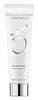
This smoothing overnight mask is formulated around Glycolic Acid and Bromelain to refine skin texture and brighten dull-looking skin.
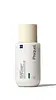
This barrier-repair moisturizer is formulated around Ceramide NP and Hexapeptide-11 to strengthen the skin barrier and soften the look of wrinkles.

What's inside
What's inside
 Key Ingredients
Benefits
Concerns
Ingredients Side-by-side
Water
Skin ConditioningCyclopentasiloxane
Emollient
Glycolic Acid
Buffering











Dimethicone
Emollient
Methylheptyl Isostearate
Skin ConditioningCetyl Alcohol
Emollient


Diglycerin
Humectant
Dimethicone Crosspolymer
Emulsion Stabilising
Glyceryl Stearate
Emollient
PEG-100 Stearate
Surfactant
Isohexadecane
EmollientHelianthus Annuus Seed Oil
Emollient
Dimethiconol
Emollient
Carthamus Tinctorius Seed Oil
Masking
Maltodextrin
Absorbent
Aleurites Moluccanus Seed Oil
Skin Conditioning
Brassica Oleracea Italica Extract
AstringentOleth-20
CleansingBromelain
Skin Conditioning
Algin
MaskingTocopherol
Antioxidant



Papain
Skin Conditioning
Xanthan Gum
EmulsifyingCarbomer
Emulsion StabilisingDisodium EDTA
ChelatingCaprylyl Glycol
Emollient
1,2-Hexanediol
Skin Conditioning
Ascorbyl Palmitate
Antioxidant
Sodium Hydroxide
BufferingPhenoxyethanol
Preservative
Chlorphenesin
Antimicrobial
Water, Cyclopentasiloxane, Glycolic Acid, Dimethicone, Methylheptyl Isostearate, Cetyl Alcohol, Diglycerin, Dimethicone Crosspolymer, Glyceryl Stearate, PEG-100 Stearate, Isohexadecane, Helianthus Annuus Seed Oil, Dimethiconol, Carthamus Tinctorius Seed Oil, Maltodextrin, Aleurites Moluccanus Seed Oil, Brassica Oleracea Italica Extract, Oleth-20, Bromelain, Algin, Tocopherol, Papain, Xanthan Gum, Carbomer, Disodium EDTA, Caprylyl Glycol, 1,2-Hexanediol, Ascorbyl Palmitate, Sodium Hydroxide, Phenoxyethanol, Chlorphenesin
Water
Skin ConditioningGlycerin
Humectant
Propanediol
Solvent
Isopropyl Myristate
Emollient


Ethylhexyl Olivate
Skin Conditioning
Squalane
Emollient
Hydrolyzed Rice Protein
Skin ConditioningCeramide NP
Skin Conditioning
Ceramide As
Skin Conditioning
Ceramide Ns
Skin Conditioning
Ceramide EOP
Skin Conditioning
Ceramide AP
Skin Conditioning
Hexapeptide-11
Skin Conditioning
Matrixyl 3000
Polyglyceryl-10 Stearate
Skin Conditioning
Triolein
Skin Conditioning
Ammonium Acryloyldimethyltaurate/Vp Copolymer
Glyceryl Oleate
Emollient

Undecane
EmollientHydroxyacetophenone
Antioxidant
Glyceryl Dioleate
Emollient
Caprylyl Glycol
Emollient
Xanthan Gum
EmulsifyingTridecane
Perfuming
Betaine
Humectant
Sodium Stearoyl Glutamate
CleansingCitric Acid
Buffering
Sodium Phytate
ChelatingSodium PCA
Humectant
Sodium Hydroxide
BufferingSodium Lactate
Buffering
PCA
Humectant
Sodium Benzoate
Masking
Serine
Masking
Alanine
Masking
Palmitic Acid
Emollient
Glycine
Buffering
Hydrogenated Lecithin
Emulsifying
Ethylhexyl Palmitate
Emollient
Butylene Glycol
Humectant
Phenoxyethanol
Preservative
Ethylhexylglycerin
Skin ConditioningGlutamic Acid
Humectant
Lysine Hcl
Skin Conditioning
Threonine
Arginine
Masking
Proline
Skin Conditioning
Tocopherol
Antioxidant
Carbomer
Emulsion StabilisingPolysorbate 20
Emulsifying
Water, Glycerin, Propanediol, Isopropyl Myristate, Ethylhexyl Olivate, Squalane, Hydrolyzed Rice Protein, Ceramide NP, Ceramide As, Ceramide Ns, Ceramide EOP, Ceramide AP, Hexapeptide-11, Matrixyl 3000, Polyglyceryl-10 Stearate, Triolein, Ammonium Acryloyldimethyltaurate/Vp Copolymer, Glyceryl Oleate, Undecane, Hydroxyacetophenone, Glyceryl Dioleate, Caprylyl Glycol, Xanthan Gum, Tridecane, Betaine, Sodium Stearoyl Glutamate, Citric Acid, Sodium Phytate, Sodium PCA, Sodium Hydroxide, Sodium Lactate, PCA, Sodium Benzoate, Serine, Alanine, Palmitic Acid, Glycine, Hydrogenated Lecithin, Ethylhexyl Palmitate, Butylene Glycol, Phenoxyethanol, Ethylhexylglycerin, Glutamic Acid, Lysine Hcl, Threonine, Arginine, Proline, Tocopherol, Carbomer, Polysorbate 20
Reviews
Ingredients Explained
These ingredients are found in both products.
Ingredients higher up in an ingredient list are typically present in a larger amount.
Caprylyl Glycol is a humectant, skin conditioner, emollient, and preservative booster derived from either caprylic acid or synthetically created.
Typical use levels vary from 0.3-1% as a preservative booster and go up to 2% to condition skin.
Because it is not a free-fatty acid, this ingredient is fungal acne safe (there's nothing for Malassezia to feed on).
Learn more about Caprylyl GlycolCarbomer is a synthetic thickening and gelling agent. It's basically the ingredient that gives a lot of serums, gels, creams, and sunscreens their smooth, non-sticky texture.
Although legally permitted at very high levels, carbomers are normally used at concentrations below 1%.
It also needs to be neutralized to actually thicken, and because it is a large molecule, it doesn't really penetrate the skin barrier.
Allergy-wise, the risk is very low. Clinical studies show carbomers have low potential for skin irritation/sensitization even at concentrations up to 100%.
A 2024 UK study patch-tested 1,302 patients and found true allergy to the parent group of carbomer to be rare with no confirmed relevant reactions.
Learn more about CarbomerPhenoxyethanol is one of the most widely used preservatives in skincare (and for good reason!).
It has a large spectrum of antimicrobial activity and especially effective bacteria, yeast, and mold while only having a weak effect on your skin's natural microbiome.
On a cellular level, it disrupts the cell membranes of microbes by poking holes that make the cell leak. This shuts down the chemical reactions the microbe needs to make energy so it can no longer survive.
Another perk of this ingredient is that it stays functional across a wide pH range (3-10).
You'll often see it paired with boosters like Ethylhexylglycerin; one study showed that a 1:9 ratio of Ethylhexylglycerin to Phenoxyethanol damages bacterial membranes as effectively as doubling the Phenoxyethanol concentration on its own.
Typical use concentrations range from 0.3-1% depending on the formula, and this ingredient is capped at 1% int the EU.
Safety-wise, the fear mongering does not hold up to the evidence. The EU's Scientific Committee on Consumer Safety and FDA consider it safe as a preservative at up to 1%, including for children of all ages.
Adverse systemic effects only showed up in animal studies at exposures roughly 200x higher than what people get from cosmetics. And despite its very widespread use, this ingredient is a rare sensitizer and allergic reactions are uncommon.
Learn more about PhenoxyethanolSodium Hydroxide is also known as lye or caustic soda. It is used to adjust the pH of products; many ingredients require a specific pH to be effective.
In small amounts, sodium hydroxide is considered safe to use. However, large amounts may cause chemical burns due to its high alkaline.
Your skin has a natural pH and acid mantle. This acid mantle helps prevent harmful bacteria from breaking through. The acid mantle also helps keep your skin hydrated.
"Alkaline" refers to a high pH level. A low pH level would be considered acidic.
Learn more about Sodium HydroxideTocopherol is a fat-soluble antioxidant known as Vitamin E.
You'll find this ingredient in the vast majority of skincare (for good reason). It works to neutralize free radicals, or unstable molecules generated by UV exposure, pollution, and other environmental stressors, before they can cause oxidative damage to your skin cells.
Topically applied tocopherol has been shown to protect against UV damage by ramping up the skin's own natural defense enzymes.
It also acts as a skin conditioning agent; some studies show that regular topical use can improve the skin's water-binding capacity over 2-4 weeks.
This ingredient is especially loved for being a team player. When combined with Vitamin C, the photoprotective effect of both ingredients roughly doubles and the combo also helps reduce UV-induced DNA damage.
This ingredient has some brightening potential but it's more of a prevention ingredient than spot-fader. Cell studies show it can slow down melanin production but it's worth noting that it's not the most powerful brightener out there.
In formulations, it also serves as a stabilizer that helps protect other oxidation-prone ingredients from degrading.
Concentrations usually range from 0.1-1% in most leave-on products.
Learn more about TocopherolWater. It's the most common cosmetic ingredient of all. You'll usually see it at the top of ingredient lists, meaning that it makes up the largest part of the product.
So why is it so popular? Water most often acts as a solvent - this means that it helps dissolve other ingredients into the formulation.
You'll also recognize water as that liquid we all need to stay alive. If you see this, drink a glass of water. Remember to stay hydrated!
Learn more about WaterXanthan gum is used as a stabilizer and thickener within cosmetic products. It helps give products a sticky, thick feeling - preventing them from being too runny.
On the technical side of things, xanthan gum is a polysaccharide - a combination consisting of multiple sugar molecules bonded together.
Xanthan gum is a pretty common and great ingredient. It is a natural, non-toxic, non-irritating ingredient that is also commonly used in food products.
Learn more about Xanthan Gum

