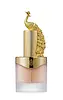
Zeesea Palace Identity Chinese Phoenix Foundation Versus Judydoll Sun Defense Tinted Moisturizer SPF 50+

What's inside
What's inside
 Key Ingredients
Benefits
Concerns
Ingredients Side-by-side
Water
Skin ConditioningCyclopentasiloxane
Emollient
CI 77891
Cosmetic ColorantDimethicone
Emollient
Cyclohexasiloxane
Emollient
Isododecane
EmollientCetyl Ethylhexanoate
EmollientTalc
Abrasive
Silica
Abrasive

Cetyl PEG/PPG-10/1 Dimethicone
Emulsifying
Butylene Glycol
Humectant

Glycerin
Humectant
Sodium Chloride
MaskingIron Oxides
PEG-Crosspolymer
Sorbitan Sesquioleate
Emulsifying

Disteardimonium Hectorite
StabilisingTriethoxycaprylylsilane
Polyglycerin-3
Humectant
Isostearyl Isostearate
Emollient


1,2-Hexanediol
Skin Conditioning
Sorbitan Oleate
Emulsifying
Trimethylsiloxysilicate
Emollient
Hexyl Laurate
Emollient
Hydroxyacetophenone
Antioxidant
Triethyl Citrate
Masking

Aroma
Quaternium-18 Bentonite
Disodium EDTA
ChelatingGanoderma Lucidum Extract
Skin Protecting
Phenethyl Alcohol
MaskingMilk Protein
Skin ConditioningPentylene Glycol
Skin Conditioning
Orchid Extract
Skin ConditioningPrunus Persica Flower Extract
MoisturisingCaprylyl Glycol
Emollient
Sturgeon Extract
Skin ConditioningCaviar Extract
Skin ConditioningTuber Magnatum Extract
Skin ConditioningWater, Cyclopentasiloxane, CI 77891, Dimethicone, Cyclohexasiloxane, Isododecane, Cetyl Ethylhexanoate, Talc, Silica, Cetyl PEG/PPG-10/1 Dimethicone, Butylene Glycol, Glycerin, Sodium Chloride, Iron Oxides, PEG-Crosspolymer, Sorbitan Sesquioleate, Disteardimonium Hectorite, Triethoxycaprylylsilane, Polyglycerin-3, Isostearyl Isostearate, 1,2-Hexanediol, Sorbitan Oleate, Trimethylsiloxysilicate, Hexyl Laurate, Hydroxyacetophenone, Triethyl Citrate, Aroma, Quaternium-18 Bentonite, Disodium EDTA, Ganoderma Lucidum Extract, Phenethyl Alcohol, Milk Protein, Pentylene Glycol, Orchid Extract, Prunus Persica Flower Extract, Caprylyl Glycol, Sturgeon Extract, Caviar Extract, Tuber Magnatum Extract
Cyclopentasiloxane
Emollient
Water
Skin ConditioningZinc Oxide
Cosmetic Colorant

Ethylhexyl Methoxycinnamate
UV Absorber
CI 77891
Cosmetic ColorantTitanium Dioxide
Cosmetic Colorant
Cetyl PEG/PPG-10/1 Dimethicone
Emulsifying
Dimethicone
Emollient
Glycerin
Humectant
Butylene Glycol
Humectant
Neopentyl Glycol Diethylhexanoate
Emollient
Trimethylsiloxysilicate
Emollient
Phenylbenzimidazole Sulfonic Acid
UV Absorber
Polysilicone-15
UV Filter
Pentylene Glycol
Skin Conditioning
PEG-10 Dimethicone
Skin Conditioning
Silica
Abrasive
Methylene Bis-Benzotriazolyl Tetramethylbutylphenol
UV Filter
Hdi/Trimethylol Hexyllactone Crosspolymer
Aminomethyl Propanol
BufferingMagnesium Sulfate
Phenoxyethanol
Preservative
CI 77492
Cosmetic ColorantTriethoxycaprylylsilane
Disteardimonium Hectorite
StabilisingDextrin Palmitate
Emulsifying
Bifida Ferment Filtrate
Skin Conditioning
Aluminum Hydroxide
EmollientDimethicone Crosspolymer
Emulsion Stabilising
Silica Dimethyl Silylate
EmollientDecyl Glucoside
Cleansing
Stearic Acid
Cleansing
Sodium Stearoyl Glutamate
CleansingCI 77491
Cosmetic ColorantBisabolol
Antioxidant
CI 77499
Cosmetic ColorantEthylhexylglycerin
Skin ConditioningCamellia Sinensis Leaf Water
Masking
Parfum
Masking
Coix Lacryma-Jobi Ma-Yuen Seed Water
Skin ConditioningMica
Cosmetic ColorantPanax Ginseng Root Water
Masking
Squalane
Emollient
Cyclodextrin
AbsorbentPropylene Glycol
Humectant
Xanthan Gum
EmulsifyingBHT
Antioxidant
1,2-Hexanediol
Skin Conditioning
Royal Jelly Extract
Skin Conditioning
Caprylhydroxamic Acid
ChelatingCentella Asiatica Extract
Cleansing
Hydroxyacetophenone
Antioxidant
Portulaca Oleracea Extract
Skin Conditioning
Cyclopentasiloxane, Water, Zinc Oxide, Ethylhexyl Methoxycinnamate, CI 77891, Titanium Dioxide, Cetyl PEG/PPG-10/1 Dimethicone, Dimethicone, Glycerin, Butylene Glycol, Neopentyl Glycol Diethylhexanoate, Trimethylsiloxysilicate, Phenylbenzimidazole Sulfonic Acid, Polysilicone-15, Pentylene Glycol, PEG-10 Dimethicone, Silica, Methylene Bis-Benzotriazolyl Tetramethylbutylphenol, Hdi/Trimethylol Hexyllactone Crosspolymer, Aminomethyl Propanol, Magnesium Sulfate, Phenoxyethanol, CI 77492, Triethoxycaprylylsilane, Disteardimonium Hectorite, Dextrin Palmitate, Bifida Ferment Filtrate, Aluminum Hydroxide, Dimethicone Crosspolymer, Silica Dimethyl Silylate, Decyl Glucoside, Stearic Acid, Sodium Stearoyl Glutamate, CI 77491, Bisabolol, CI 77499, Ethylhexylglycerin, Camellia Sinensis Leaf Water, Parfum, Coix Lacryma-Jobi Ma-Yuen Seed Water, Mica, Panax Ginseng Root Water, Squalane, Cyclodextrin, Propylene Glycol, Xanthan Gum, BHT, 1,2-Hexanediol, Royal Jelly Extract, Caprylhydroxamic Acid, Centella Asiatica Extract, Hydroxyacetophenone, Portulaca Oleracea Extract
Reviews
Ingredients Explained
These ingredients are found in both products.
Ingredients higher up in an ingredient list are typically present in a larger amount.
1,2-Hexanediol is a synthetic liquid and another multi-functional powerhouse.
It is a:
- Humectant, drawing moisture into the skin
- Emollient, helping to soften skin
- Solvent, dispersing and stabilizing formulas
- Preservative booster, enhancing the antimicrobial activity of other preservatives
Butylene Glycol (or BG) is used within cosmetic products for a few different reasons:
Overall, Butylene Glycol is a safe and well-rounded ingredient that works well with other ingredients.
Though this ingredient works well with most skin types, some people with sensitive skin may experience a reaction such as allergic rashes, closed comedones, or itchiness.
Learn more about Butylene GlycolThis ingredient is a silicone-based emulsifer that helps the water and oil phases play nicely together.
It's pretty effective because one end of the molecule loves oil and the other one loves water.
Besides holding formulas together, it also leaves a silky and lightweight feel on skin without the greasiness. A manufacturer also claims it can help with the controlled release of active ingredients.
The CIR Expert Panel found this ingredient to not be sensitizing in concentrations up to 15% in human maximazation testing and dimethicone-based compounds were not comedogenic.
It has a high molecular weight well above 1,000 g/mol which means it limits meaningful skin penetration.
A 2019 study specifically tested this ingredient and found no observable Malassezia growth in its presence.
Learn more about Cetyl PEG/PPG-10/1 DimethiconeCi 77891 is a white pigment from Titanium dioxide. It is naturally found in minerals such as rutile and ilmenite.
It's main function is to add a white color to cosmetics. It can also be mixed with other colors to create different shades.
Ci 77891 is commonly found in sunscreens due to its ability to block UV rays.
Learn more about CI 77891Cyclopentasiloxane (D5) is a lightweight silicone that mostly acts as an emollient and solvent in cosmetics. Its the reason your products feel silky, fast-spreading, and non-greasy.
Since D5 is volatile, it does its thing and then evaporates off the skin quickly.
The safety profile of this ingredient is reassuring; the US CIR Expert Panel concluded D5 is safe as used in cosmetics and Health Canada concluded that D5 is not harmful to human health or the environment as currently used in cosmetics
There's a study that people mention about D5 in a rat study showing tumors. This study is related to long-term inhalation of high D5 levels.
Regulatory bodies have judged this study to be not applicable in topical skincare since skin absorption of D5 is very low and we're not really inhaling huge amounts of D5.
The only restriction for this ingredient is environmental. The European Chemicals Agency (ECHA) restricted D5 in wash-off cosmetics at or above 0.1% due to their persistence in water.
Learn more about CyclopentasiloxaneDimethicone is a type of synthetic silicone created from natural materials such as quartz. It is also known as polydimethylsiloxane.
What it does:
Dimethicone comes in different viscosities:
Depending on the viscosity, dimethicone has different properties.
Ingredients lists don't always show which type is used, so we recommend reaching out to the brand if you have questions about the viscosity.
This ingredient is unlikely to cause irritation because it does not get absorbed into skin. However, people with silicone allergies should be careful about using this ingredient.
Note: Dimethicone may contribute to pilling. This is because it is not oil or water soluble, so pilling may occur when layered with products. When mixed with heavy oils in a formula, the outcome is also quite greasy.
Learn more about DimethiconeDisteardimonium Hectorite comes from the clay mineral named hectorite. It is used to add thickness to a product.
It can also help stabilize a product by helping to disperse other ingredients.
Hectorite is a rare, white clay mineral.
Learn more about Disteardimonium HectoriteGlycerin (or glycerol) is a compound naturally found in your skin. It's a powerhouse humectant that pulls water into the stratum corneum.
Topically, glycerin does several things at once:
Your skin makes glycerin on its own (mostly from sebaceous oil breakdown) and shuttles it to your outermost layer of skin, or your epidermis, via aquaporin-3.
Aquaporin-3 is a transporter that is essential for normal skin hydration, elasticity, and repair. Interestingly, mice lacking in AQP3 have dry and less elastic skin that can be fully corrected with glycerin.
This ingredient is non-irritating, plays well with almost every ingredient, and works across all skin types. Typical use is anywhere between 3-10% but can go up to 79% in some leave-on products.
Just know very high concentrations (>40%) can feel tacky in low humidity.
Glycerin is the name for this ingredient in American English. British English uses Glycerol/Glycerine.
Learn more about GlycerinHydroxyacetophenone is a small phenolic molecule that earns its place in a formulas as an antioxidant and preservative booster.
As a phenol, it is able to neutralize free radicals to protect both the product and the skin from oxidative stress.
Though it can't kill microbes on its own, it works as a good supporting agent when combined with other preservatives like Phenoxyethanol or 1,2-Hexanediol.
This ingredient naturally occurs as piceol in Norwegian spruce needles (~0.4-1.1% dry weight and in cloudberries). Though the cosmetic-grade material is synthesized for purity and consistency.
You'll usually see it used at low levels and suppliers recommend up to 1% added to a water phase.
Safety testing was done at concentrations like 0.05% in SPF products and 0.5% in a Human Repeated Insult Patch Test. The safety evidence is assuring; this ingredient is safe for cosmetics in current use and also holds safety status as a food flavoring as well.
An honest caveat: the "soothing" and "anti-inflammatory" claims come mostly from supplier marketing rather than published clinical trials. The Cosmetic Ingredient Review's own literature search found no useful efficacy studies on this ingredient.
So the antioxidant and preservative-boosting roles are the well supported ones while the calming benefit is plausible but thinly evidenced.
Overall, this is a well-tolerated, low-irritation multitasker that quietly helps a formula stay fresh and stable.
Learn more about HydroxyacetophenonePentylene Glycol (1,2-pentanediol) is a multitasking little diol with three main roles in a formula:
Research on alkanediols (the family pentylene glycol belongs to) show they work by disrupting microbial cell membranes. This disruption helps the primary preservative system in a product work more effectively at lower doses.
On the safety side, the Cosmetic Ingredient Review Expert Panel has concluded this ingredient to be safe as used in current cosmetic practices + concentrations.
Typical use levels in a formula run about 1-5%.
Learn more about Pentylene GlycolSilica, also known as silicon dioxide, is a naturally occurring mineral. It is used as a fine, spherical, and porous powder in cosmetics.
Though it has exfoliant properties, the function of silica varies depending on the product.
The unique structure of silica enhances the spreadability and adds smoothness, making it a great texture enhancer.
It is also used as an active carrier, emulsifier, and mattifier due to its ability to absorb excess oil.
In some products, tiny microneedles called spicules are made from silica or hydrolyzed sponge. When you rub them in, they lightly polish away dead skin layers and enhance the penetration of active ingredients.
Learn more about SilicaTriethoxycaprylylsilane is a silicon-based surface modifier that makes sunscreens feel silky and makeup stay put.
Its main job is to coat mineral particles like titanium dioxide, zinc oxide, and color pigments in a thin, oily layer so they spread smoothly, don't clump, and stick to skin better.
This ingredient is typically used at low levels (up to 2.5% in eyeshadow and 1% in lipstick).
Learn more about TriethoxycaprylylsilaneThis silicone is an emollient. Emollients create a thin film on the skin to prevent moisture from escaping.
It is not soluble in water and helps increase water-resistance in products.
According to a manufacturer, it can blend seamlessly with silicone oils, such as Cyclopentasiloxane.
Learn more about TrimethylsiloxysilicateWater. It's the most common cosmetic ingredient of all. You'll usually see it at the top of ingredient lists, meaning that it makes up the largest part of the product.
So why is it so popular? Water most often acts as a solvent - this means that it helps dissolve other ingredients into the formulation.
You'll also recognize water as that liquid we all need to stay alive. If you see this, drink a glass of water. Remember to stay hydrated!
Learn more about Water

