Yves Rocher Filler Vegetal Anti-Wrinkle Plumping Versus Yves Rocher Lift Pro Collagene Anti-Wrinkle Intense Care
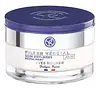
This anti-aging day moisturizer is formulated around Sodium Hyaluronate to soften the look of wrinkles and hydrate skin.
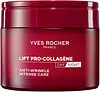
This anti-aging moisturizer is formulated around Squalane to soften the look of wrinkles and hydrate skin.

What's inside
What's inside
 Key Ingredients
Benefits
Concerns
Ingredients Side-by-side
Water
Skin ConditioningGlycerin
Humectant


Coco-Caprylate/Caprate
Emollient
Helianthus Annuus Seed Oil
Emollient


Octyldodecanol
Emollient
Hydroxypropyl Starch Phosphate
Pentylene Glycol
Skin Conditioning
Sesamum Indicum Seed Oil
Emollient

Acacia Senegal Gum
MaskingMethyl Glucose Sesquistearate
Emollient
Aphloia Theiformis Leaf Extract
AstringentPropanediol
Solvent
Tribehenin
Emollient
Hydroxyacetophenone
Antioxidant
Stearyl Alcohol
Emollient
Parfum
Masking


Xanthan Gum
EmulsifyingEthyl Linoleate
Emollient
1,2-Hexanediol
Skin Conditioning
Caprylyl Glycol
Emollient
Lecithin
Emollient
Sodium Stearoyl Glutamate
CleansingCitric Acid
Buffering

Sodium Hyaluronate
Humectant


Trisodium Ethylenediamine Disuccinate
ChelatingMesembryanthemum Crystallinum Extract
HumectantLinalool
Perfuming
Alginic Acid
Skin ConditioningSilanetriol
Geraniol
Perfuming
Propyl Gallate
Antioxidant
Water, Glycerin, Coco-Caprylate/Caprate, Helianthus Annuus Seed Oil, Octyldodecanol, Hydroxypropyl Starch Phosphate, Pentylene Glycol, Sesamum Indicum Seed Oil, Acacia Senegal Gum, Methyl Glucose Sesquistearate, Aphloia Theiformis Leaf Extract, Propanediol, Tribehenin, Hydroxyacetophenone, Stearyl Alcohol, Parfum, Xanthan Gum, Ethyl Linoleate, 1,2-Hexanediol, Caprylyl Glycol, Lecithin, Sodium Stearoyl Glutamate, Citric Acid, Sodium Hyaluronate, Trisodium Ethylenediamine Disuccinate, Mesembryanthemum Crystallinum Extract, Linalool, Alginic Acid, Silanetriol, Geraniol, Propyl Gallate
Water
Skin ConditioningCoco-Caprylate/Caprate
Emollient
Glycerin
Humectant
C10-18 Triglycerides
Emollient
Glyceryl Stearate
Emollient
Butyrospermum Parkii Butter
Skin Conditioning
Macadamia Ternifolia Seed Oil
Emollient
Pentylene Glycol
Skin Conditioning
Vitis Vinifera Seed Oil
Emollient
Zea Mays Starch
Absorbent
Undecane
EmollientPotassium Cetyl Phosphate
EmulsifyingAnthemis Nobilis Flower Water
Masking
Propanediol
Solvent
Ammonium Acryloyldimethyltaurate/Vp Copolymer
Hydrogenated Vegetable Oil
Emollient
Squalane
Emollient
Mesembryanthemum Crystallinum Extract
HumectantAjuga Reptans Cell Culture Extract
Antioxidant
Parfum
Masking
Tridecane
Perfuming
Ethyl Linoleate
Emollient
Stearic Acid
Cleansing
Palmitic Acid
Emollient
Lecithin
Emollient
Tocopheryl Acetate
Antioxidant
Xanthan Gum
EmulsifyingSorbic Acid
Preservative
Sodium Hyaluronate
Humectant
Alginic Acid
Skin ConditioningSodium Hydroxide
BufferingSilanetriol
Aphloia Theiformis Leaf Extract
AstringentCitric Acid
Buffering
Sodium Benzoate
Masking
Potassium Sorbate
Preservative
Sodium Citrate
BufferingTocopherol
Antioxidant
1,2-Hexanediol
Skin Conditioning
Caprylyl Glycol
Emollient
Propyl Gallate
Antioxidant
Water, Coco-Caprylate/Caprate, Glycerin, C10-18 Triglycerides, Glyceryl Stearate, Butyrospermum Parkii Butter, Macadamia Ternifolia Seed Oil, Pentylene Glycol, Vitis Vinifera Seed Oil, Zea Mays Starch, Undecane, Potassium Cetyl Phosphate, Anthemis Nobilis Flower Water, Propanediol, Ammonium Acryloyldimethyltaurate/Vp Copolymer, Hydrogenated Vegetable Oil, Squalane, Mesembryanthemum Crystallinum Extract, Ajuga Reptans Cell Culture Extract, Parfum, Tridecane, Ethyl Linoleate, Stearic Acid, Palmitic Acid, Lecithin, Tocopheryl Acetate, Xanthan Gum, Sorbic Acid, Sodium Hyaluronate, Alginic Acid, Sodium Hydroxide, Silanetriol, Aphloia Theiformis Leaf Extract, Citric Acid, Sodium Benzoate, Potassium Sorbate, Sodium Citrate, Tocopherol, 1,2-Hexanediol, Caprylyl Glycol, Propyl Gallate
Ingredients Explained
These ingredients are found in both products.
Ingredients higher up in an ingredient list are typically present in a larger amount.
1,2-Hexanediol is a synthetic liquid and another multi-functional powerhouse.
It is a:
- Humectant, drawing moisture into the skin
- Emollient, helping to soften skin
- Solvent, dispersing and stabilizing formulas
- Preservative booster, enhancing the antimicrobial activity of other preservatives
Alginic Acid is a big, gel-forming sugar molecule (a polysaccharide) pulled out of brown seaweed.
In cosmetics, it works as a binder, skin conditioning agent, and a thickener for water-based formulas.
Since it's a very large molecule, it's unlikely to get through skin in any meaningful amount and isn't expected to reach the bloodstream. This means it mostly just sits on the surface and improves texture.
Concentration-wise, industry survey data show alginates used anywhere from 0.001% in an aerosol up to 50% in paste masks and mud pasks.
The Cosmetic Ingredient Review panel concluded Alginic Acid is safe as currently used, noting the absence of clinically relevant reactions to polysaccharide gums in dermatology practice.
And a 20% sodium alginate patch test in human volunteers came back negative for both irritation and allergic contact dermatitis.
Allergy risk is low but not zero: reviews of wound dressings put alginate in the lower allergy-risk category with sensitization rates around 1.6-1.7% in leg-ulcer patients. Keep in mind this is a group with badly compromised skin and prolonged occlusive contact so not exactly comparable to a face mask with this ingredient.
It's reasonable to patch test if you have a known seaweed or kelp allergy; otherwise it's about as uneventful as ingredients get.
The "algae causes acne" idea comes from three places that got tangled together:
None of that transfers to a purified polysaccharide like alginic acid. Clogged pores are a lipid problem where an ingredient has to get into the follicle and mix with sebum to form a comedone. Alginic acid is a big, water-loving sugar chain that does neither; it gels and then sits on the surface as a film until it's rinsed off.
Learn more about Alginic AcidWe don't have a description for Aphloia Theiformis Leaf Extract yet.
Caprylyl Glycol is a humectant, skin conditioner, emollient, and preservative booster derived from either caprylic acid or synthetically created.
Typical use levels vary from 0.3-1% as a preservative booster and go up to 2% to condition skin.
Because it is not a free-fatty acid, this ingredient is fungal acne safe (there's nothing for Malassezia to feed on).
Learn more about Caprylyl GlycolCitric Acid is an alpha hydroxy acid (AHA) naturally found in citrus fruits like oranges, lemons, and limes.
Like other AHAs, citric acid can exfoliate skin by breaking down the bonds that hold dead skin cells together. This helps reveal smoother and brighter skin underneath.
However, this exfoliating effect only happens at high concentrations (20%) which can be hard to find in cosmetic products.
Due to this, citric acid is usually included in small amounts as a pH adjuster. This helps keep products slightly more acidic and compatible with skin's natural pH.
In skincare formulas, citric acid can:
While it can provide some skin benefits, research shows lactic acid and glycolic acid are generally more effective and less irritating exfoliants.
Most citric acid used in skincare today is made by fermenting sugars (usually from molasses). This synthetic version is identical to the natural citrus form but easier to stabilize and use in formulations.
Rosacea skin has a lower threshold for acids generally, with 62.5% of rosacea subjects in one study reacting to lactic acid in a sting test. This is why we mark citric acid as a potential rosacea trigger.
However, this ingredient shows up as a pH adjuster or chelator at roughly 0.1-1% in many products. These low levels are unlikely to be an issue for rosacea skin and becomes a potential trigger at exfoliating concentrations (20%). Because everybody's skin is unique, we recommend a patch test if you are unsure.
Learn more about Citric AcidCoco-Caprylate/Caprate is a lightweight ester created from coconut oil fatty acids, caprylic acid, and capric acid.
It is an emollient that helps soften skin and reduce transepidermal water loss (TEWL). What sets it apart from heavier emollients is its ultralight, non-greasy feel.
Once applied, this ingredient dries down quickly and leaves a dry, silky finish behind. This also helps improve spreadability and texture.
This ingredient has an excellent safety-record and is non-irritating.
Typical concentrations for cosmetics range from 0.5-62%.
Research on Malassezia growth found no growth on fatty acid esters with chain lengths shorter than 12 carbons (it prefers C11-24).
Since Coco-Caprylate/Caprate is built on C8 and C10 fatty acids, it is out of the range that Malassezia metabolizes, and therefore safe for fungal acne.
Learn more about Coco-Caprylate/CaprateEthyl Linoleate is a fragrance and isn't fungal acne safe.
Glycerin (or glycerol) is a compound naturally found in your skin. It's a powerhouse humectant that pulls water into the stratum corneum.
Topically, glycerin does several things at once:
Your skin makes glycerin on its own (mostly from sebaceous oil breakdown) and shuttles it to your outermost layer of skin, or your epidermis, via aquaporin-3.
Aquaporin-3 is a transporter that is essential for normal skin hydration, elasticity, and repair. Interestingly, mice lacking in AQP3 have dry and less elastic skin that can be fully corrected with glycerin.
This ingredient is non-irritating, plays well with almost every ingredient, and works across all skin types. Typical use is anywhere between 3-10% but can go up to 79% in some leave-on products.
Just know very high concentrations (>40%) can feel tacky in low humidity.
Glycerin is the name for this ingredient in American English. British English uses Glycerol/Glycerine.
Learn more about GlycerinLecithin is a term for a group of substances found in the cell membranes of plants, animals, and humans. They are made up of phospholipids.
Thanks to its amphiphilic structure (water-loving head and oil-loving tail), it is a true multitasker:
It plays well with most ingredients and is typically used at 0.1-1%. However, concentrations up to 50% have been reported in moisturizers.
Learn more about LecithinWe don't have a description for Mesembryanthemum Crystallinum Extract yet.
Parfum is a catch-all term for an ingredient or more that is used to give a scent to products.
Also called "fragrance", this ingredient can be a blend of hundreds of chemicals or plant oils. This means every product with "fragrance" or "parfum" in the ingredients list is a different mixture.
For instance, Habanolide is a proprietary trade name for a specific aroma chemical. When used as a fragrance ingredient in cosmetics, most aroma chemicals fall under the broad labeling category of “FRAGRANCE” or “PARFUM” according to EU and US regulations.
The term 'parfum' or 'fragrance' is not regulated in many countries. In many cases, it is up to the brand to define this term.
For instance, many brands choose to label themselves as "fragrance-free" because they are not using synthetic fragrances. However, their products may still contain ingredients such as essential oils that are considered a fragrance by INCI standards.
One example is Calendula flower extract. Calendula is an essential oil that still imparts a scent or 'fragrance'.
Depending on the blend, the ingredients in the mixture can cause allergies and sensitivities on the skin. Some ingredients that are known EU allergens include linalool and citronellol.
Parfum can also be used to mask or cover an unpleasant scent.
The bottom line is: not all fragrances/parfum/ingredients are created equally. If you are worried about fragrances, we recommend taking a closer look at an ingredient. And of course, we always recommend speaking with a professional.
Learn more about ParfumPentylene Glycol (1,2-pentanediol) is a multitasking little diol with three main roles in a formula:
Research on alkanediols (the family pentylene glycol belongs to) show they work by disrupting microbial cell membranes. This disruption helps the primary preservative system in a product work more effectively at lower doses.
On the safety side, the Cosmetic Ingredient Review Expert Panel has concluded this ingredient to be safe as used in current cosmetic practices + concentrations.
Typical use levels in a formula run about 1-5%.
Learn more about Pentylene GlycolPropanediol is an all-star ingredient. It softens, hydrates, and smooths the skin.
It’s often used to:
Propanediol is not likely to cause sensitivity and considered safe to use. It is derived from corn or petroleum with a clear color and no scent.
Learn more about PropanediolPropyl Gallate is a synthetic antioxidant. It works by protecting the oils, fats, and fragrance compounds in a formula from going rancid through oxidation, helping the product stay stable and effective for longer.
The Cosmetic Ingredient Review Expert Panel recommends keeping Propyl Gallate at or below 0.1% due to potential sensitization at higher levels, and most formulas stay within that limit.
We flag Propyl Gallate as both a general irritant and a lip irritant because direct skin contact can trigger redness or allergic contact dermatitis. The more sensitive skin on and around the lips is prone to reacting.
Learn more about Propyl GallateWe don't have a description for Silanetriol yet.
Sodium Hyaluronate is the salt form of hyaluronic acid. It is a long sugar chain that is naturally found in your skin, joints, and connective tissue that maintains hydration and elasticity.
In skincare, it works as a humectant. It pulls water from the environment and deeper layers of skin and binds it to the surface.
Interestingly, the size of the molecule affects its behavior:
Some clinical evidence links low molecular weight versions to improved wrinkle depth, elasticity, anti-inflammatory effects, and barrier repair.
Many serums use a blend of both weights so you can get surface hydration plus longer-lasting and deeper effects.
You'll typically see concentrations between 0.1-2% for this ingredient.
Learn more about Sodium HyaluronateWater. It's the most common cosmetic ingredient of all. You'll usually see it at the top of ingredient lists, meaning that it makes up the largest part of the product.
So why is it so popular? Water most often acts as a solvent - this means that it helps dissolve other ingredients into the formulation.
You'll also recognize water as that liquid we all need to stay alive. If you see this, drink a glass of water. Remember to stay hydrated!
Learn more about WaterXanthan gum is used as a stabilizer and thickener within cosmetic products. It helps give products a sticky, thick feeling - preventing them from being too runny.
On the technical side of things, xanthan gum is a polysaccharide - a combination consisting of multiple sugar molecules bonded together.
Xanthan gum is a pretty common and great ingredient. It is a natural, non-toxic, non-irritating ingredient that is also commonly used in food products.
Learn more about Xanthan Gum

