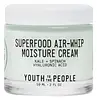
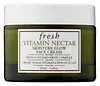
Youth To The People Superfood Air Whip Moisture Cream Versus Fresh Vitamin Nectar Moisture Glow Face Cream
This barrier-repair moisturizer is formulated around Squalane and Aloe Barbadensis Leaf Juice Powder to strengthen the skin barrier and hydrate skin.
This brightening moisturizer is formulated around Tocopheryl Acetate and Ascorbyl Tetraisopalmitate to brighten dull-looking skin.

What's inside
What's inside
 Key Ingredients
Benefits
Concerns
Ingredients Side-by-side
Water
Skin ConditioningGlycerin
Humectant


Caprylic/Capric Triglyceride
Masking
Pentaerythrityl Tetraethylhexanoate
Emollient
Pentylene Glycol
Skin Conditioning
Betaine
Humectant
Squalane
Emollient
Helianthus Annuus Seed Oil
Emollient


Aloe Barbadensis Leaf Juice Powder
Skin Conditioning
Brassica Oleracea Acephala Leaf Extract
HumectantCamellia Sinensis Leaf Extract
Antimicrobial



Chamomilla Recutita Flower Extract
Masking
Chamomilla Recutita Extract
Skin Conditioning
Medicago Sativa Extract
TonicSarcosine
Skin Conditioning
Spinacia Oleracea
Skin ConditioningSpinacia Oleracea Leaf Extract
Skin ConditioningCopper PCA
HumectantHydrolyzed Sodium Hyaluronate
Skin Conditioning
Hydroxyacetophenone
Antioxidant
Menthoxypropanediol
Masking
Pentaerythrityl Tetra-Di-T-Butyl Hydroxyhydrocinnamate
Antioxidant
Sodium Hyaluronate
Humectant
Sodium Hydroxide
BufferingTetrasodium Glutamate Diacetate
Chelating3-O-Ethyl Ascorbic Acid
Skin Conditioning

Panthenol
Skin Conditioning
Tocopherol
Antioxidant

Hydrogenated Lecithin
Emulsifying
Acrylates/C10-30 Alkyl Acrylate Crosspolymer
Emulsion StabilisingCarbomer
Emulsion StabilisingCetearyl Alcohol
Emollient



Cetearyl Glucoside
Emulsifying
Citric Acid
Buffering
Glycine Soja Oil
Emollient
Limonene
Perfuming

Chlorphenesin
Antimicrobial
Phenoxyethanol
Preservative
Parfum
Masking
Water, Glycerin, Caprylic/Capric Triglyceride, Pentaerythrityl Tetraethylhexanoate, Pentylene Glycol, Betaine, Squalane, Helianthus Annuus Seed Oil, Aloe Barbadensis Leaf Juice Powder, Brassica Oleracea Acephala Leaf Extract, Camellia Sinensis Leaf Extract, Chamomilla Recutita Flower Extract, Chamomilla Recutita Extract, Medicago Sativa Extract, Sarcosine, Spinacia Oleracea, Spinacia Oleracea Leaf Extract, Copper PCA, Hydrolyzed Sodium Hyaluronate, Hydroxyacetophenone, Menthoxypropanediol, Pentaerythrityl Tetra-Di-T-Butyl Hydroxyhydrocinnamate, Sodium Hyaluronate, Sodium Hydroxide, Tetrasodium Glutamate Diacetate, 3-O-Ethyl Ascorbic Acid, Panthenol, Tocopherol, Hydrogenated Lecithin, Acrylates/C10-30 Alkyl Acrylate Crosspolymer, Carbomer, Cetearyl Alcohol, Cetearyl Glucoside, Citric Acid, Glycine Soja Oil, Limonene, Chlorphenesin, Phenoxyethanol, Parfum
Water
Skin ConditioningGlycerin
Humectant
Pentylene Glycol
Skin Conditioning
Ethylhexyl Isononanoate
EmollientPolyglyceryl-6 Stearate
Emollient
Polyglycerin-3
Humectant
Caprylic/Capric Triglyceride
Masking
Jojoba Esters
Emollient
Propanediol
Solvent
Sodium Polyacrylate
Absorbent
Ethylhexyl Palmitate
Emollient
Stearic Acid
Cleansing
Caprylyl Glycol
Emollient
Chlorphenesin
Antimicrobial
Polyglyceryl-6 Behenate
Emulsion Stabilising
Acrylates/C10-30 Alkyl Acrylate Crosspolymer
Emulsion StabilisingParfum
Masking
Sodium Stearoyl Glutamate
CleansingTocopheryl Acetate
Antioxidant
Xanthan Gum
EmulsifyingTrisodium Ethylenediamine Disuccinate
ChelatingGlucosyl Hesperidin
HumectantLimonene
Perfuming
Sodium Hydroxide
BufferingAscorbyl Tetraisopalmitate
Antioxidant
Panthenol
Skin Conditioning
Sodium Hyaluronate
Humectant
Magnesium Aspartate
Skin ConditioningZinc Gluconate
Skin Conditioning

Vaccinium Myrtillus Fruit Extract
Skin ConditioningLinalool
Perfuming
Caramel
Cosmetic ColorantSaccharum Officinarum Extract
MoisturisingCopper Gluconate
Skin Conditioning
Citral
Perfuming
Citrus Aurantium Dulcis Fruit Extract
MaskingCitrus Limon Fruit Extract
Masking
Tocopherol
Antioxidant
Acer Saccharum Extract
Skin ConditioningWater, Glycerin, Pentylene Glycol, Ethylhexyl Isononanoate, Polyglyceryl-6 Stearate, Polyglycerin-3, Caprylic/Capric Triglyceride, Jojoba Esters, Propanediol, Sodium Polyacrylate, Ethylhexyl Palmitate, Stearic Acid, Caprylyl Glycol, Chlorphenesin, Polyglyceryl-6 Behenate, Acrylates/C10-30 Alkyl Acrylate Crosspolymer, Parfum, Sodium Stearoyl Glutamate, Tocopheryl Acetate, Xanthan Gum, Trisodium Ethylenediamine Disuccinate, Glucosyl Hesperidin, Limonene, Sodium Hydroxide, Ascorbyl Tetraisopalmitate, Panthenol, Sodium Hyaluronate, Magnesium Aspartate, Zinc Gluconate, Vaccinium Myrtillus Fruit Extract, Linalool, Caramel, Saccharum Officinarum Extract, Copper Gluconate, Citral, Citrus Aurantium Dulcis Fruit Extract, Citrus Limon Fruit Extract, Tocopherol, Acer Saccharum Extract
Reviews
Ingredients Explained
These ingredients are found in both products.
Ingredients higher up in an ingredient list are typically present in a larger amount.
Acrylates/C10-30 Alkyl Acrylate Crosspolymer is a synthetic polymer. It is used to thicken, emulsify, and improve the texture of products.
As an emulsifier, it helps stabilize oil-in-water emulsions to give products an elegant feel when applied.
It can also form a thin protective film on skin. One study found that a formula using this polymer helped slow down how quickly other ingredients (like DEET) were absorbed through skin.
A 2024 study of over 1,300 patients confirmed that sensitization to this ingredient is rare. It is also non-mutagenic and has a clean track record.
Learn more about Acrylates/C10-30 Alkyl Acrylate CrosspolymerCaprylic/Capric Triglyceride (aka MCT Oil) is a lightweight emollient, solvent, and texture enhancer. It is considered a skin-softener by helping to prevent moisture loss.
Though it behaves like an oil, it is not technically one due to its chemical composition. One perk of this ingredient is that it is very stable, resistant to oxidation, and unlikely to go rancid.
In practice, that translates to a long shelf life and a consistently elegant skin feel.
While there is an assumption Caprylic Triglyceride can clog pores due to it being derived from coconut oil, there is no research supporting this. Just patch test if you have concerns.
Fractionated coconut oil and MCT Oil are both listed as Caprylic/Capric Triglyceride according to INCI. This is because INCI names are based on the ingredient’s final chemical composition and not its marketing name or source.
This ingredient is treated as the gold standard fungal acne safe oil. Even though it is coconut derived, the problematic lauric acid is stripped out.
This leaves just caprylic (C8) and capric (C10) acid. These chain lengths actually trend antifungal; a 2020 study found caprylic acid was enough to disrupt Malassezia furfur cell membrane, with a caprylic acid derivative damaging membrane structures at concentrations as low as 0.2%.
Learn more about Caprylic/Capric TriglycerideChlorphenesin is a synthetic preservative. It helps protect a product against bacteria in order to extend shelf life. In most cases, Chlorphenesin is paired with other preservatives such as phenoxyethanol and caprylyl glycol.
Chlorphenesin is a biocide. This means it is able to help fight the microorganisms on our skin. It is also able to fight odor-releasing bacteria.
Chlorphenesin is soluble in both water and glycerin.
Studies show Chlorphenesin is easily absorbed by our skin. You should speak with a skincare professional if you have concerns about using Chlorphenesin.
Learn more about ChlorphenesinGlycerin (or glycerol) is a compound naturally found in your skin. It's a powerhouse humectant that pulls water into the stratum corneum.
Topically, glycerin does several things at once:
Your skin makes glycerin on its own (mostly from sebaceous oil breakdown) and shuttles it to your outermost layer of skin, or your epidermis, via aquaporin-3.
Aquaporin-3 is a transporter that is essential for normal skin hydration, elasticity, and repair. Interestingly, mice lacking in AQP3 have dry and less elastic skin that can be fully corrected with glycerin.
This ingredient is non-irritating, plays well with almost every ingredient, and works across all skin types. Typical use is anywhere between 3-10% but can go up to 79% in some leave-on products.
Just know very high concentrations (>40%) can feel tacky in low humidity.
Glycerin is the name for this ingredient in American English. British English uses Glycerol/Glycerine.
Learn more about GlycerinLimonene is the compound that gives citrus peel its smell.
In skincare, it shows up as a standalone fragrance ingredient or as a natural compound of citrus and other essential oils.
You'll typically see this ingredient used in very small amounts; anything above 0.001% in a leave-on product or 0.01% in a rinse-off has to be named on the label in the EU. The citrus oils that carry it sit around 0.5-1% in a finished formula.
Fresh limonene is a weak allergen; the real issue is that it slowly reacts with air and then breaks down from oxidation to create hydroperoxides (which are strong sensitizers). This is why suppliers are required to keep the peroxide value below 20 mmol.
Positive reactions in people being investigated for eczema vary:
It's worth skipping if you have a known fragrance allergy or a compromised barrier, but the risk is low for most people.
Older or long-opened products are also more likely to bother you than fresh ones due to oxidation.
Learn more about LimonenePanthenol is a common ingredient that helps hydrate and soothe the skin. It is found naturally in our skin and hair.
There are two forms of panthenol: D and L.
D-panthenol is also known as dexpanthenol. Most cosmetics use dexpanthenol or a mixture of D and L-panthenol.
Panthenol is famous due to its ability to go deeper into the skin's layers. Using this ingredient has numerous pros (and no cons):
Like hyaluronic acid, panthenol is a humectant. Humectants are able to bind and hold large amounts of water to keep skin hydrated.
This ingredient works well for wound healing. It works by increasing tissue in the wound and helps close open wounds.
Once oxidized, panthenol converts to pantothenic acid. Panthothenic acid is found in all living cells.
This ingredient is also referred to as pro-vitamin B5.
Learn more about PanthenolParfum is a catch-all term for an ingredient or more that is used to give a scent to products.
Also called "fragrance", this ingredient can be a blend of hundreds of chemicals or plant oils. This means every product with "fragrance" or "parfum" in the ingredients list is a different mixture.
For instance, Habanolide is a proprietary trade name for a specific aroma chemical. When used as a fragrance ingredient in cosmetics, most aroma chemicals fall under the broad labeling category of “FRAGRANCE” or “PARFUM” according to EU and US regulations.
The term 'parfum' or 'fragrance' is not regulated in many countries. In many cases, it is up to the brand to define this term.
For instance, many brands choose to label themselves as "fragrance-free" because they are not using synthetic fragrances. However, their products may still contain ingredients such as essential oils that are considered a fragrance by INCI standards.
One example is Calendula flower extract. Calendula is an essential oil that still imparts a scent or 'fragrance'.
Depending on the blend, the ingredients in the mixture can cause allergies and sensitivities on the skin. Some ingredients that are known EU allergens include linalool and citronellol.
Parfum can also be used to mask or cover an unpleasant scent.
The bottom line is: not all fragrances/parfum/ingredients are created equally. If you are worried about fragrances, we recommend taking a closer look at an ingredient. And of course, we always recommend speaking with a professional.
Learn more about ParfumPentylene Glycol (1,2-pentanediol) is a multitasking little diol with three main roles in a formula:
Research on alkanediols (the family pentylene glycol belongs to) show they work by disrupting microbial cell membranes. This disruption helps the primary preservative system in a product work more effectively at lower doses.
On the safety side, the Cosmetic Ingredient Review Expert Panel has concluded this ingredient to be safe as used in current cosmetic practices + concentrations.
Typical use levels in a formula run about 1-5%.
Learn more about Pentylene GlycolSodium Hyaluronate is the salt form of hyaluronic acid. It is a long sugar chain that is naturally found in your skin, joints, and connective tissue that maintains hydration and elasticity.
In skincare, it works as a humectant. It pulls water from the environment and deeper layers of skin and binds it to the surface.
Interestingly, the size of the molecule affects its behavior:
Some clinical evidence links low molecular weight versions to improved wrinkle depth, elasticity, anti-inflammatory effects, and barrier repair.
Many serums use a blend of both weights so you can get surface hydration plus longer-lasting and deeper effects.
You'll typically see concentrations between 0.1-2% for this ingredient.
Learn more about Sodium HyaluronateSodium Hydroxide is also known as lye or caustic soda. It is used to adjust the pH of products; many ingredients require a specific pH to be effective.
In small amounts, sodium hydroxide is considered safe to use. However, large amounts may cause chemical burns due to its high alkaline.
Your skin has a natural pH and acid mantle. This acid mantle helps prevent harmful bacteria from breaking through. The acid mantle also helps keep your skin hydrated.
"Alkaline" refers to a high pH level. A low pH level would be considered acidic.
Learn more about Sodium HydroxideTocopherol is a fat-soluble antioxidant known as Vitamin E.
You'll find this ingredient in the vast majority of skincare (for good reason). It works to neutralize free radicals, or unstable molecules generated by UV exposure, pollution, and other environmental stressors, before they can cause oxidative damage to your skin cells.
Topically applied tocopherol has been shown to protect against UV damage by ramping up the skin's own natural defense enzymes.
It also acts as a skin conditioning agent; some studies show that regular topical use can improve the skin's water-binding capacity over 2-4 weeks.
This ingredient is especially loved for being a team player. When combined with Vitamin C, the photoprotective effect of both ingredients roughly doubles and the combo also helps reduce UV-induced DNA damage.
This ingredient has some brightening potential but it's more of a prevention ingredient than spot-fader. Cell studies show it can slow down melanin production but it's worth noting that it's not the most powerful brightener out there.
In formulations, it also serves as a stabilizer that helps protect other oxidation-prone ingredients from degrading.
Concentrations usually range from 0.1-1% in most leave-on products.
Learn more about TocopherolWater. It's the most common cosmetic ingredient of all. You'll usually see it at the top of ingredient lists, meaning that it makes up the largest part of the product.
So why is it so popular? Water most often acts as a solvent - this means that it helps dissolve other ingredients into the formulation.
You'll also recognize water as that liquid we all need to stay alive. If you see this, drink a glass of water. Remember to stay hydrated!
Learn more about Water

