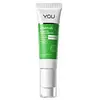
This acne moisturizer is formulated around Panthenol and Salicylic Acid to clear breakouts and strengthen the skin barrier.
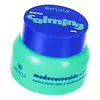
This calming moisturizer is formulated around Niacinamide and Panthenol to calm redness and strengthen the skin barrier.

What's inside
What's inside
 Key Ingredients
Benefits
Concerns
Ingredients Side-by-side
Water
Skin ConditioningGlycerin
Humectant


Butylene Glycol
Humectant
Panthenol
Skin Conditioning

1,2-Hexanediol
Skin Conditioning
Hydroxyacetophenone
Antioxidant
PEG-40 Hydrogenated Castor Oil
Emulsifying


Propylene Glycol
Humectant
Acrylates/C10-30 Alkyl Acrylate Crosspolymer
Emulsion StabilisingAminomethyl Propanol
BufferingDipotassium Glycyrrhizate
Humectant
Melaleuca Alternifolia Leaf Oil
Antioxidant




Bisabolol
Antioxidant
Salicylic Acid
Masking





Acacia Senegal Gum
MaskingPortulaca Oleracea Extract
Skin Conditioning
Quaternium-73
Madecassoside
Antioxidant
Asiaticoside
Antioxidant
Caprylic/Capric Triglyceride
Masking
Ceramide NP
Skin Conditioning
Hydrogenated Lecithin
Emulsifying
Madecassic Acid
Skin Conditioning
Asiatic Acid
Skin Conditioning
Ceramide As
Skin Conditioning
Ceramide Ns
Skin Conditioning
Ceramide AP
Skin Conditioning
Ceramide EOP
Skin Conditioning
Water, Glycerin, Butylene Glycol, Panthenol, 1,2-Hexanediol, Hydroxyacetophenone, PEG-40 Hydrogenated Castor Oil, Propylene Glycol, Acrylates/C10-30 Alkyl Acrylate Crosspolymer, Aminomethyl Propanol, Dipotassium Glycyrrhizate, Melaleuca Alternifolia Leaf Oil, Bisabolol, Salicylic Acid, Acacia Senegal Gum, Portulaca Oleracea Extract, Quaternium-73, Madecassoside, Asiaticoside, Caprylic/Capric Triglyceride, Ceramide NP, Hydrogenated Lecithin, Madecassic Acid, Asiatic Acid, Ceramide As, Ceramide Ns, Ceramide AP, Ceramide EOP
Water
Skin ConditioningNiacinamide
Smoothing

Dipropylene Glycol
HumectantButylene Glycol
Humectant
Propanediol
Solvent
Carbomer
Emulsion Stabilising1,2-Hexanediol
Skin Conditioning
Allantoin
Skin Conditioning
Panthenol
Skin Conditioning
Aminomethyl Propanol
BufferingAmmonium Acryloyldimethyltaurate/Vp Copolymer
Chlorphenesin
Antimicrobial
Biosaccharide Gum-2
Skin ConditioningCaprylhydroxamic Acid
ChelatingDisodium EDTA
ChelatingCentella Asiatica Extract
Cleansing
Phenoxyethanol
Preservative
Madecassoside
Antioxidant
PEG-8
HumectantPentylene Glycol
Skin Conditioning
Beta-Glucan
Skin Conditioning
Salicylic Acid
Masking
Caprylyl Glycol
Emollient
Isostearamidopropyl Ethyldimonium Ethosulfate
Sodium Hydroxide
BufferingPropylene Glycol
Humectant
Carthamus Tinctorius Seed Oil
Masking
Olea Europaea Fruit Oil
Masking
Water, Niacinamide, Dipropylene Glycol, Butylene Glycol, Propanediol, Carbomer, 1,2-Hexanediol, Allantoin, Panthenol, Aminomethyl Propanol, Ammonium Acryloyldimethyltaurate/Vp Copolymer, Chlorphenesin, Biosaccharide Gum-2, Caprylhydroxamic Acid, Disodium EDTA, Centella Asiatica Extract, Phenoxyethanol, Madecassoside, PEG-8, Pentylene Glycol, Beta-Glucan, Salicylic Acid, Caprylyl Glycol, Isostearamidopropyl Ethyldimonium Ethosulfate, Sodium Hydroxide, Propylene Glycol, Carthamus Tinctorius Seed Oil, Olea Europaea Fruit Oil
Ingredients Explained
These ingredients are found in both products.
Ingredients higher up in an ingredient list are typically present in a larger amount.
1,2-Hexanediol is a synthetic liquid and another multi-functional powerhouse.
It is a:
- Humectant, drawing moisture into the skin
- Emollient, helping to soften skin
- Solvent, dispersing and stabilizing formulas
- Preservative booster, enhancing the antimicrobial activity of other preservatives
Aminomethyl Propanol is used to adjust the pH of products. It is also used as a base to create other organic compounds. Having a balanced pH is important for protecting your skin.
Aminomethyl propanol is safe to use in cosmetics up to 1%. It is soluble in water.
Butylene Glycol (or BG) is used within cosmetic products for a few different reasons:
Overall, Butylene Glycol is a safe and well-rounded ingredient that works well with other ingredients.
Though this ingredient works well with most skin types, some people with sensitive skin may experience a reaction such as allergic rashes, closed comedones, or itchiness.
Learn more about Butylene GlycolMadecassoside is one of four active compounds found in Centella asiatica and is one of the main reasons Centella is so effective at calming irritated skin and supporting the moisture barrier.
There's a solid body of peer-reviewed research backing Madecassoside for several skin benefits. Studies have found:
Madecassoside pairs well with other hydrating or antioxidant ingredients like Ascorbic Acid or Hyaluronic Acid.
Learn more about MadecassosidePanthenol is a common ingredient that helps hydrate and soothe the skin. It is found naturally in our skin and hair.
There are two forms of panthenol: D and L.
D-panthenol is also known as dexpanthenol. Most cosmetics use dexpanthenol or a mixture of D and L-panthenol.
Panthenol is famous due to its ability to go deeper into the skin's layers. Using this ingredient has numerous pros (and no cons):
Like hyaluronic acid, panthenol is a humectant. Humectants are able to bind and hold large amounts of water to keep skin hydrated.
This ingredient works well for wound healing. It works by increasing tissue in the wound and helps close open wounds.
Once oxidized, panthenol converts to pantothenic acid. Panthothenic acid is found in all living cells.
This ingredient is also referred to as pro-vitamin B5.
Learn more about PanthenolPropylene Glycol is a synthetic, colorless, odorless liquid that has been a staple in cosmetics for decades. It is a skin conditioning agent, humectant, and solvent.
As a humectant, it draw water to the skin to reduce flaking and restore suppleness. It's also a solvent that helps dissolve other actives and keeps formulas stable across temperature changes.
The CIR Expert Panel has confirmed this ingredient to be nontoxic and clinical studies show no sensitization at cosmetic use concentrations.
True allergic reactions are quite rare: a 15-year retrospective study of 6,751 patients found only 0.31% had a positive reaction (and less than half were considered clinically relevant).
It seemed that when sensitization does occur, it's most commonly linked to topical medication (like corticosteroids) and not cosmetics. Allergic contact dermatitis also appears largely limited to individuals with underlying skin conditions.
Overall, propylene glycol is a well-studied ingredient that most people can tolerate without issue.
Learn more about Propylene GlycolSalicylic Acid (also known as beta hydroxy acid or BHA) is a well-known ingredient for treating skin that struggles with acne and clogged pores. It exfoliates both the skin's surface and deep within the pores to help clear out buildup, control oil, and reduce inflammation.
Unlike AHAs (alpha hydroxy acids), salicylic acid is oil-soluble. This allows it to penetrate into pores which makes it especially effective for treating blackheads and preventing future breakouts.
Salicylic acid is also known for its soothing properties. It has a similar structure to aspirin and can calm inflamed or irritated skin, making it a good option for acne-prone skin that is also sensitive.
Concentrations of 0.5-2% are recognized by the U.S. FDA as an over-the-counter topical acne product.
It can cause irritation and/or dryness if one's skin already has a compromised moisture barrier, so it's best to focus on repairing that before introducing this ingredient into your routine.
While salicylic acid does not increase sun sensitivity, it’s still important to wear sunscreen daily to protect your skin.
If you are looking for the ingredient called BHA or Butylated Hydroxyanisole, click here.
Learn more about Salicylic AcidWater. It's the most common cosmetic ingredient of all. You'll usually see it at the top of ingredient lists, meaning that it makes up the largest part of the product.
So why is it so popular? Water most often acts as a solvent - this means that it helps dissolve other ingredients into the formulation.
You'll also recognize water as that liquid we all need to stay alive. If you see this, drink a glass of water. Remember to stay hydrated!
Learn more about Water

