
What's inside
What's inside
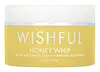 Key Ingredients
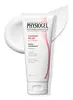
No key ingredients
Benefits
Concerns
Ingredients Side-by-side
Water
Skin ConditioningButylene Glycol
Humectant

Coco-Caprylate/Caprate
Emollient
Cetearyl Alcohol
Emollient



Pentylene Glycol
Skin Conditioning
Macadamia Ternifolia Seed Oil
Emollient
Niacinamide
Smoothing










Glycerin
Humectant
1,2-Hexanediol
Skin Conditioning
Glyceryl Stearate
Emollient
Honey Extract
Humectant
Palmitoyl Tripeptide-1
Skin Conditioning
Palmitoyl Tetrapeptide-7
Skin Conditioning
Centella Asiatica Extract
Cleansing
Madecassoside
Antioxidant
Collagen
Moisturising
Hydrolyzed Extensin
Skin ConditioningSodium Hyaluronate
Humectant
Butyrospermum Parkii Butter
Skin Conditioning
Argania Spinosa Kernel Oil
Emollient
Panax Ginseng Root Extract
Emollient
Tocopheryl Acetate
Antioxidant
Leuconostoc/Radish Root Ferment Filtrate
Antimicrobial
Propylene Glycol
Humectant

Caprylyl Glycol
Emollient
Ethylhexylglycerin
Skin ConditioningDipotassium Glycyrrhizate
Humectant
Cera Alba
Emollient
Polyglyceryl-2 Stearate
Emulsifying
Polyacrylate-13
Stearyl Alcohol
Emollient
Behenyl Alcohol
Emollient
Polyisobutene
Hydrogenated Lecithin
Emulsifying
Polysorbate 20
Emulsifying
Xanthan Gum
EmulsifyingSorbitan Isostearate
Emulsifying
Carbomer
Emulsion StabilisingSodium Benzoate
Masking
Potassium Sorbate
Preservative
PEG-100 Stearate
Surfactant
Dimethicone
Emollient
Parfum
Masking

Benzyl Benzoate
Antimicrobial

Hexyl Cinnamal
Perfuming
Water, Butylene Glycol, Coco-Caprylate/Caprate, Cetearyl Alcohol, Pentylene Glycol, Macadamia Ternifolia Seed Oil, Niacinamide, Glycerin, 1,2-Hexanediol, Glyceryl Stearate, Honey Extract, Palmitoyl Tripeptide-1, Palmitoyl Tetrapeptide-7, Centella Asiatica Extract, Madecassoside, Collagen, Hydrolyzed Extensin, Sodium Hyaluronate, Butyrospermum Parkii Butter, Argania Spinosa Kernel Oil, Panax Ginseng Root Extract, Tocopheryl Acetate, Leuconostoc/Radish Root Ferment Filtrate, Propylene Glycol, Caprylyl Glycol, Ethylhexylglycerin, Dipotassium Glycyrrhizate, Cera Alba, Polyglyceryl-2 Stearate, Polyacrylate-13, Stearyl Alcohol, Behenyl Alcohol, Polyisobutene, Hydrogenated Lecithin, Polysorbate 20, Xanthan Gum, Sorbitan Isostearate, Carbomer, Sodium Benzoate, Potassium Sorbate, PEG-100 Stearate, Dimethicone, Parfum, Benzyl Benzoate, Hexyl Cinnamal
Water
Skin ConditioningOlea Europaea Fruit Oil
Masking
Glycerin
Humectant
Pentylene Glycol
Skin Conditioning
Olus Oil
Emollient
Elaeis Guineensis Oil
Emollient
Hydrogenated Lecithin
Emulsifying
Squalane
Emollient
Betaine
Humectant
Palmitamide Mea
Sarcosine
Skin Conditioning
Acetamide Mea
HumectantHydroxyethylcellulose
Emulsion StabilisingCarbomer
Emulsion StabilisingSodium Carbomer
Emulsion StabilisingXanthan Gum
Emulsifying
Reviews
Ingredients Explained
These ingredients are found in both products.
Ingredients higher up in an ingredient list are typically present in a larger amount.
Carbomer is a high-molecular weight polymer of acrylic acid. It is used to form gels and thicken formulas.
Due to its large molecular size, carbomer has minimal skin penetration and is considered an inert ingredient.
A high amount of carbomer can cause pilling or balling up of products. Don't worry, most products contain 1% or less of carbomer.
Learn more about CarbomerGlycerin (or glycerol) is a compound naturally found in your skin. It's a powerhouse humectant that pulls water into the stratum corneum.
Topically, glycerin does several things at once:
Your skin makes glycerin on its own (mostly from sebaceous oil breakdown) and shuttles it to your outermost layer of skin, or your epidermis, via aquaporin-3.
Aquaporin-3 is a transporter that is essential for normal skin hydration, elasticity, and repair. Interestingly, mice lacking in AQP3 have dry and less elastic skin that can be fully corrected with glycerin.
This ingredient is non-irritating, plays well with almost every ingredient, and works across all skin types. Typical use is anywhere between 3-10% but can go up to 79% in some leave-on products.
Just know very high concentrations (>40%) can feel tacky in low humidity.
Glycerin is the name for this ingredient in American English. British English uses Glycerol/Glycerine.
Learn more about GlycerinHydrogenated Lecithin is a more stable version of lecithin.
It's made by taking lecithin (a phospholipid commonly found in soybeans and egg yolks) and hydrogenating it. This just means the unsaturated fatty acids are turned into saturated ones so they don't go bad as easily.
This ingredient is an emollient, emulsifier, and penetration enhancer. As an emollient, it helps soften and hydrate skin by trapping moisture within. As an emulsifier, it prevents oil and water ingredients from separating.
Hydrogenated Lecithin can form tiny spherical structures made of phospholipid bilayers called liposomes. These liposomes are able to capture compounds inside their structure and deliver them through the skin barrier.
Because phospholipids are a natural component of our cell membranes, this ingredient is inherently compatible with skin.
A 2021 study found lecithin-based surfactants were less harsh and more tolerable comared to Sodium Lauryl Sulfate (SLS).
Learn more about Hydrogenated LecithinPentylene glycol is typically used within a product to thicken it. It also adds a smooth, soft, and moisturizing feel to the product. It is naturally found in plants such as sugar beets.
The hydrophilic trait of Pentylene Glycol makes it a humectant. As a humectant, Pentylene Glycol helps draw moisture from the air to your skin. This can help keep your skin hydrated.
This property also makes Pentylene Glycol a great texture enhancer. It can also help thicken or stabilize a product.
Pentylene Glycol also acts as a mild preservative and helps to keep a product microbe-free.
Some people may experience mild eye and skin irritation from Pentylene Glycol. We always recommend speaking with a professional about using this ingredient in your routine.
Pentylene Glycol has a low molecular weight and is part of the 1,2-glycol family.
Learn more about Pentylene GlycolWater. It's the most common cosmetic ingredient of all. You'll usually see it at the top of ingredient lists, meaning that it makes up the largest part of the product.
So why is it so popular? Water most often acts as a solvent - this means that it helps dissolve other ingredients into the formulation.
You'll also recognize water as that liquid we all need to stay alive. If you see this, drink a glass of water. Remember to stay hydrated!
Learn more about WaterXanthan gum is used as a stabilizer and thickener within cosmetic products. It helps give products a sticky, thick feeling - preventing them from being too runny.
On the technical side of things, xanthan gum is a polysaccharide - a combination consisting of multiple sugar molecules bonded together.
Xanthan gum is a pretty common and great ingredient. It is a natural, non-toxic, non-irritating ingredient that is also commonly used in food products.
Learn more about Xanthan Gum
