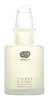
This calming moisturizer is formulated around Aloe Barbadensis Leaf Extract and Centella Asiatica Extract to calm redness and hydrate skin.
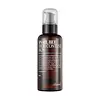
This calming toner is formulated around Snail Secretion Filtrate and Niacinamide to calm redness and strengthen the skin barrier.

What's inside
What's inside
 Key Ingredients
Benefits
Concerns
Ingredients Side-by-side
Aloe Barbadensis Leaf Extract 74.44%
Emollient


Citrus Junos Fruit Extract 10%
Skin ConditioningCentella Asiatica Extract 5%
Cleansing



Vitis Vinifera Seed Oil 2%
Emollient


Olea Europaea Fruit Oil 2%
Masking


Cetearyl Olivate
Sorbitan Olivate
Emulsifying
Stearic Acid
Cleansing
Cetyl Alcohol
Emollient

Butyrospermum Parkii Butter 0.5%
Skin Conditioning
Prunus Armeniaca Kernel Oil 0.5%
Masking
Oenothera Biennis Oil 0.5%
Emollient
Astrocaryum Murumuru Seed Butter 0.2%
Emollient
Gluconolactone
Chelating




Hyaluronic Acid
Humectant
Salix Alba Bark Extract
Astringent
Saccharum Officinarum Extract
MoisturisingHippophae Rhamnoides Fruit Oil 0.01%
Skin Protecting
Cucurbita Pepo Seed Oil 0.01%
Emollient
Lactobacillus 0.01%
Skin ConditioningBetaine
Humectant
Capsicum Annuum Fruit Extract
Antimicrobial
Scutellaria Baicalensis Root Extract
Astringent
Paeonia Suffruticosa Root Extract
Skin ProtectingGlycyrrhiza Glabra Root Extract
Bleaching
Xanthan Gum
EmulsifyingAniba Rosodora Wood Oil
Astringent
Citrus Aurantium Bergamia Fruit Oil
Masking

Citrus Aurantium Dulcis Oil
Masking
Citrus Junos Peel Oil
Astringent
Linalool
Perfuming
Limonene
Perfuming
Aloe Barbadensis Leaf Extract 74.44%, Citrus Junos Fruit Extract 10%, Centella Asiatica Extract 5%, Vitis Vinifera Seed Oil 2%, Olea Europaea Fruit Oil 2%, Cetearyl Olivate, Sorbitan Olivate, Stearic Acid, Cetyl Alcohol, Butyrospermum Parkii Butter 0.5%, Prunus Armeniaca Kernel Oil 0.5%, Oenothera Biennis Oil 0.5%, Astrocaryum Murumuru Seed Butter 0.2%, Gluconolactone, Hyaluronic Acid, Salix Alba Bark Extract, Saccharum Officinarum Extract, Hippophae Rhamnoides Fruit Oil 0.01%, Cucurbita Pepo Seed Oil 0.01%, Lactobacillus 0.01%, Betaine, Capsicum Annuum Fruit Extract, Scutellaria Baicalensis Root Extract, Paeonia Suffruticosa Root Extract, Glycyrrhiza Glabra Root Extract, Xanthan Gum, Aniba Rosodora Wood Oil, Citrus Aurantium Bergamia Fruit Oil, Citrus Aurantium Dulcis Oil, Citrus Junos Peel Oil, Linalool, Limonene
Water
Skin ConditioningSnail Secretion Filtrate
Skin Conditioning
Camellia Sinensis Leaf Water
Masking
Butylene Glycol
Humectant
Glycerin
Humectant
Niacinamide
Smoothing
1,2-Hexanediol
Skin Conditioning
Sh-Oligopeptide-1
Skin Conditioning
Bee Venom
Astringent
Diospyros Kaki Leaf Extract
Skin Protecting
Salix Alba Bark Extract
Astringent
Plantago Asiatica Extract
Skin ConditioningLaminaria Digitata Extract
Skin Protecting
Ulmus Campestris Bark Extract
AstringentPentylene Glycol
Skin Conditioning
Zanthoxylum Piperitum Fruit Extract
Skin ConditioningPulsatilla Koreana Extract
Skin ConditioningUsnea Barbata Extract
Althaea Rosea Root Extract
HumectantAloe Barbadensis Leaf Extract
Emollient
Betaine
Humectant
Panthenol
Skin Conditioning
Beta-Glucan
Skin Conditioning
Allantoin
Skin Conditioning
Adenosine
Skin Conditioning
Polysorbate 20
Emulsifying
Lecithin
Emollient
Water, Snail Secretion Filtrate, Camellia Sinensis Leaf Water, Butylene Glycol, Glycerin, Niacinamide, 1,2-Hexanediol, Sh-Oligopeptide-1, Bee Venom, Diospyros Kaki Leaf Extract, Salix Alba Bark Extract, Plantago Asiatica Extract, Laminaria Digitata Extract, Ulmus Campestris Bark Extract, Pentylene Glycol, Zanthoxylum Piperitum Fruit Extract, Pulsatilla Koreana Extract, Usnea Barbata Extract, Althaea Rosea Root Extract, Aloe Barbadensis Leaf Extract, Betaine, Panthenol, Beta-Glucan, Allantoin, Adenosine, Polysorbate 20, Lecithin
Reviews
Ingredients Explained
These ingredients are found in both products.
Ingredients higher up in an ingredient list are typically present in a larger amount.
Aloe Barbadensis Leaf Extract is a botanical extract pulled from the leaves of aloe vera and one of the most studied plant ingredients in cosmetics.
The inner leaf gel it comes from is mostly water (~99-99.5%) and the remaining fraction is made up of pretty good stuff: polysaccharides, vitamins, phenolics, and enzymes.
Its headline job is hydration.
The star polysaccharide in aloe, acemannan, is a humectant that retains moisture and helps reduce trans-epidermal water loss.
Aloe also has real soothing credentials; it contains anti-inflammatory compounds like bradykinase and C-glucosyl chromone that help calm irritation and redness.
On the repair side, lab work shows that acemannan wakes up your skin's repair cells (fibroblasts), prompting them to multiply and speed up healing.
There's some human data for cosmetic benefit too: a cream containing 10% Aloe Barbadensis leaf extract improved skin hydration and elasticity in a real-use study.
Safety-wise, this ingredient is well-regarded with just one rare downside; there have been some case reports of acute eczema, contact urticaria, and dermatitis in people who applied aloe-derived ingredients topically. Those with a known aloe or Liliaceae sensitivity should patch test.
Typical use levels range widely, from under 1% up to 90%+ depending on the format and the effect you are after.
Learn more about Aloe Barbadensis Leaf ExtractBetaine is a humectant. Like hyaluronic acid, it helps attract and retain moisture in the skin. It’s known for being gentle and for helping the skin maintain balanced hydration.
Betaine is mainly used to improve hydration and support calmer skin. It helps skin cells regulate water balance because it functions as an osmolyte.
Some studies suggest betaine may support making skin tone more even.
Fun fact: Betaine naturally exists in the skin and the body. In cosmetic products, it can be either plant-derived (most commonly from sugar beets) or synthetically produced for consistency and stability.
Betaine is also known as trimethylglycine.
Learn more about BetaineSalix Alba Bark Extract comes from the bark of the white willow tree. The official CosIng listing states this ingredient to have astringent, skin conditioning, soothing, and tonic properties.
Its star compound is salicin, a natural glucoside that is chemically related to salicylic acid. That's why you'll often see it marketed as a "natural BHA alternative" but that's a bit of a stretch.
Your skin can't convert salicin to salicylic acid because it needs specific enzymes that aren't present on the skin's surface. It won't behave like true salicylic acid, especially at the concentrations used in cosmetics.
However, this ingredient has its own perks. It contains flavonoids, polyphenols, and tannins that give it proven antioxidant and soothing properties.
An 8-week clinical study found a cream with 2% of this extract improved skin microcirculation, elasticity, and dark circles. This is most likely due to its role in increasing hyaluronic acid synthesis in fibroblasts and improved vascular integrity.
Another study found a topical serum with 0.5% salicin showed improvements in visible signs of aging, hyperpigmentation, and texture.
Just be careful if you have a known aspirin/salicylate allergy and be sure to consult with a medical professional about using this ingredient if you do.
Fun fact: Willow Bark extract has been used for thousands of years and ancient civilizations used white willow to help treat pain and fevers.
Learn more about Salix Alba Bark Extract


