

What's inside
What's inside
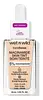 Key Ingredients
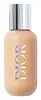
Benefits
Concerns
Ingredients Side-by-side
Water
Skin ConditioningC13-14 Alkane
SolventGlycerin
Humectant


Niacinamide
Smoothing









Hydrogenated Polydecene
EmollientPolyglyceryl-3 Diisostearate
Emulsifying




Propanediol
Solvent
Silica
Abrasive
Vp/Eicosene Copolymer
Calcium Sodium Borosilicate
Lecithin
Emollient
Squalane
Emollient
Phenoxyethanol
Preservative
Pvp
Emulsion StabilisingTocopheryl Acetate
Antioxidant

Quaternium-90 Bentonite
Ethylhexylglycerin
Skin ConditioningAllantoin
Skin Conditioning
Bisabolol
Antioxidant
Propylene Carbonate
SolventTocopherol
Antioxidant
Ribes Nigrum Seed Oil
Emollient
Octyldodecanol
Emollient
Octyldodecyl Oleate
Emollient
Octyldodecyl Stearoyl Stearate
Emollient
Quartz
Abrasive
Alcohol
Antimicrobial


Paeonia Suffruticosa Root Extract
Skin ProtectingButylene Glycol
Humectant
Rosmarinus Officinalis Leaf Extract
AntimicrobialSolidago Virgaurea Extract
Skin ConditioningHydrolyzed Hyaluronic Acid
Humectant
CI 77891
Cosmetic ColorantMica
Cosmetic ColorantIron Oxides
Water, C13-14 Alkane, Glycerin, Niacinamide, Hydrogenated Polydecene, Polyglyceryl-3 Diisostearate, Propanediol, Silica, Vp/Eicosene Copolymer, Calcium Sodium Borosilicate, Lecithin, Squalane, Phenoxyethanol, Pvp, Tocopheryl Acetate, Quaternium-90 Bentonite, Ethylhexylglycerin, Allantoin, Bisabolol, Propylene Carbonate, Tocopherol, Ribes Nigrum Seed Oil, Octyldodecanol, Octyldodecyl Oleate, Octyldodecyl Stearoyl Stearate, Quartz, Alcohol, Paeonia Suffruticosa Root Extract, Butylene Glycol, Rosmarinus Officinalis Leaf Extract, Solidago Virgaurea Extract, Hydrolyzed Hyaluronic Acid, CI 77891, Mica, Iron Oxides
Water
Skin ConditioningC9-12 Alkane
SolventPropanediol
Solvent
Caprylic/Capric Triglyceride
Masking
Undecane
EmollientPolyglyceryl-6 Polyricinoleate
Emulsifying
Glycerin
Humectant
Tridecane
Perfuming

Cellulose
Absorbent
Trimethylsiloxysilicate
Emollient
Lecithin
Emollient
Alcohol
Antimicrobial
Pentylene Glycol
Skin Conditioning
Polyglyceryl-10 Decaisostearate
EmollientSilica
Abrasive
Polyglyceryl-2 Isostearate
Emulsifying
Stearalkonium Hectorite
Gel FormingDisteardimonium Hectorite
StabilisingParfum
Masking
Hydroxypropyl Starch
Sodium Chloride
MaskingSodium Myristoyl Glutamate
CleansingPropylene Carbonate
SolventCoco-Caprylate/Caprate
Emollient
Hydroxyacetophenone
Antioxidant
Sodium Benzoate
Masking
Squalane
Emollient
Aluminum Hydroxide
EmollientTocopherol
Antioxidant
Stearoyl Glutamic Acid
CleansingPolyhydroxystearic Acid
Emulsifying
Hyaluronic Acid
Humectant
Citric Acid
Buffering
Isostearic Acid
Cleansing
Polyglyceryl-3 Polyricinoleate
Emulsifying
CI 77891
Cosmetic ColorantCI 77491
Cosmetic ColorantCI 77492
Cosmetic ColorantCI 77499
Cosmetic ColorantWater, C9-12 Alkane, Propanediol, Caprylic/Capric Triglyceride, Undecane, Polyglyceryl-6 Polyricinoleate, Glycerin, Tridecane, Cellulose, Trimethylsiloxysilicate, Lecithin, Alcohol, Pentylene Glycol, Polyglyceryl-10 Decaisostearate, Silica, Polyglyceryl-2 Isostearate, Stearalkonium Hectorite, Disteardimonium Hectorite, Parfum, Hydroxypropyl Starch, Sodium Chloride, Sodium Myristoyl Glutamate, Propylene Carbonate, Coco-Caprylate/Caprate, Hydroxyacetophenone, Sodium Benzoate, Squalane, Aluminum Hydroxide, Tocopherol, Stearoyl Glutamic Acid, Polyhydroxystearic Acid, Hyaluronic Acid, Citric Acid, Isostearic Acid, Polyglyceryl-3 Polyricinoleate, CI 77891, CI 77491, CI 77492, CI 77499
Reviews
Ingredients Explained
These ingredients are found in both products.
Ingredients higher up in an ingredient list are typically present in a larger amount.
This ingredient is also called ethanol or ethyl alcohol. It is denatured, meaning made undrinkable for cosmetic use.
In formulas, it:
Is it bad for your skin?
The answer comes down to concentration. Patch and wash studies have found highly concentrated alcohol-based hand rubs (60-100%) cause less barrier disruption than washing with a basic detergent like SLS. The only measurable effect in these studies was a temporary dip in skin hydration.
Concentrations below 12-15% in leave-on cosmetics is generally well-tolerated. Concentrations above start to see increased transepidermal water loss (TEWL) and reduced hydration.
In concentrations about 58%, it creates temporary channels in your skin's lipid layers to become more permeable and allow other ingredients to slip through easily.
This ingredient can be up to 80% of the formula in alcohol-based perfumes.
Overall, this ingredient is probably harmless if found lower down an ingredients list but worth side-eyeing if it's high up (especially if your barrier is already struggling).
Alcohol can worsen dry skin, eczema, and oily skin, especially at higher concentrations. This is because it can increase transepidermal water loss and decrease hydration to disrupt the skin barrier.
According to the National Rosacea Society based in the US, you should be mindful of products with these alcohols in the top half of ingredients.
True allergic contact dermatitis to ethanol is uncommon, but be sure to patch test if you have dry or sensitive skin.
Learn more about AlcoholCi 77891 is a white pigment from Titanium dioxide. It is naturally found in minerals such as rutile and ilmenite.
It's main function is to add a white color to cosmetics. It can also be mixed with other colors to create different shades.
Ci 77891 is commonly found in sunscreens due to its ability to block UV rays.
Learn more about CI 77891Glycerin (or glycerol) is a compound naturally found in your skin. It's a powerhouse humectant that pulls water into the stratum corneum.
Topically, glycerin does several things at once:
Your skin makes glycerin on its own (mostly from sebaceous oil breakdown) and shuttles it to your outermost layer of skin, or your epidermis, via aquaporin-3.
Aquaporin-3 is a transporter that is essential for normal skin hydration, elasticity, and repair. Interestingly, mice lacking in AQP3 have dry and less elastic skin that can be fully corrected with glycerin.
This ingredient is non-irritating, plays well with almost every ingredient, and works across all skin types. Typical use is anywhere between 3-10% but can go up to 79% in some leave-on products.
Just know very high concentrations (>40%) can feel tacky in low humidity.
Glycerin is the name for this ingredient in American English. British English uses Glycerol/Glycerine.
Learn more about GlycerinLecithin is a term for a group of substances found in the cell membranes of plants, animals, and humans. They are made up of phospholipids.
Thanks to its amphiphilic structure (water-loving head and oil-loving tail), it is a true multitasker:
It plays well with most ingredients and is typically used at 0.1-1%. However, concentrations up to 50% have been reported in moisturizers.
Learn more about LecithinPropanediol is an all-star ingredient. It softens, hydrates, and smooths the skin.
It’s often used to:
Propanediol is not likely to cause sensitivity and considered safe to use. It is derived from corn or petroleum with a clear color and no scent.
Learn more about PropanediolThis ingredient is a solvent. It helps dissolve active ingredients and alter the texture of products.
Propylene Carbonate is commonly used in makeup and with clay, such as montmorillonite or bentonite.
Studies show this ingredient to be safe for cosmetics. When it is undiluted, it can cause skin irritation. (It is always diluted in skincare and makeup). This ingredient is water-soluble.
Propylene Carbonate is created from propylene glycol and carbonic acid.
Learn more about Propylene CarbonateSilica, also known as silicon dioxide, is a naturally occurring mineral. It is used as a fine, spherical, and porous powder in cosmetics.
Though it has exfoliant properties, the function of silica varies depending on the product.
The unique structure of silica enhances the spreadability and adds smoothness, making it a great texture enhancer.
It is also used as an active carrier, emulsifier, and mattifier due to its ability to absorb excess oil.
In some products, tiny microneedles called spicules are made from silica or hydrolyzed sponge. When you rub them in, they lightly polish away dead skin layers and enhance the penetration of active ingredients.
Learn more about SilicaSqualane is the hydrogenated and shelf-stable form of squalene (a lipid that naturally occurs in human sebum).
It is an emollient and skin conditioning agent that is able to integrate seamlessly into the skin's lipid barrier without clogging pores.
This is due to how structurally similar it is to what your skin already produces.
Though it is mostly an emollient that helps soften and hydrate skin, it also has some humectant and occlusive action. Humectants help the skin retain moisture while occlusives seal it in, making squalane a triple-threat moisturizer.
Research shows it has antioxidant capabilities that help protect against stressors like UV exposure, specifically UVA induced oxidative stress. This study also found that it supports collagen biosynthesis in human dermal fibroblasts.
No clinical study has reported significant adverse effects and irritation reactions are very rare from this ingredient (even at 100% concentration).
Overall, it's a fantastic ingredient for hydration and is suitable for all skin types.
This depends on the source. Squalane can be derived from both plants and animals. Most squalane used in skincare comes from plants.
Please note: the source of squalane is only known if disclosed by the brand. We recommend reaching out to the brand if you have any questions about their squalane.
Read more about squalene with an "e".
Though squalane is often called an oil, it’s technically not one. It is a hydrocarbon, meaning it is only made of carbon and hydrogen. True oils are triglycerides and made of fatty acids and glycerol.
The term “oil-free” isn’t regulated so companies can define it however they want. Some exclude all oils, while others just avoid mineral oil or comedogenic oils.
Squalane has a comedogenic rating of 1 from the original 1972 study that tested raw ingredients under occlusion on rabbit ears. This system is not standardized or peer-reviewed, and using the raw ingredients is very different from how diluted cosmetic formulations are used on human skin.
A comedogenic rating of 1 means it is "unlikely to clog pores" according to the original rating system.
The overall formula of a product matters more than the individual ingredients on whether or not it will cause clogged pores.
Learn more about SqualaneTocopherol is a fat-soluble antioxidant known as Vitamin E.
You'll find this ingredient in the vast majority of skincare (for good reason). It works to neutralize free radicals, or unstable molecules generated by UV exposure, pollution, and other environmental stressors, before they can cause oxidative damage to your skin cells.
Topically applied tocopherol has been shown to protect against UV damage by ramping up the skin's own natural defense enzymes.
It also acts as a skin conditioning agent; some studies show that regular topical use can improve the skin's water-binding capacity over 2-4 weeks.
This ingredient is especially loved for being a team player. When combined with Vitamin C, the photoprotective effect of both ingredients roughly doubles and the combo also helps reduce UV-induced DNA damage.
This ingredient has some brightening potential but it's more of a prevention ingredient than spot-fader. Cell studies show it can slow down melanin production but it's worth noting that it's not the most powerful brightener out there.
In formulations, it also serves as a stabilizer that helps protect other oxidation-prone ingredients from degrading.
Concentrations usually range from 0.1-1% in most leave-on products.
Learn more about TocopherolWater. It's the most common cosmetic ingredient of all. You'll usually see it at the top of ingredient lists, meaning that it makes up the largest part of the product.
So why is it so popular? Water most often acts as a solvent - this means that it helps dissolve other ingredients into the formulation.
You'll also recognize water as that liquid we all need to stay alive. If you see this, drink a glass of water. Remember to stay hydrated!
Learn more about Water

