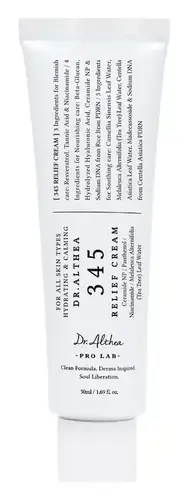
This barrier-repair moisturizer is formulated around Panthenol and Hydrolyzed Silk to strengthen the skin barrier and calm redness.
This calming sheet mask is formulated around Allantoin and Niacinamide to calm redness and soften the look of wrinkles.


What's inside
What's inside
 Key Ingredients
Benefits
Concerns
Ingredients Side-by-side
Water
Skin ConditioningButylene Glycol
Humectant

Panthenol
Skin Conditioning


Isononyl Isononanoate
EmollientHydrolyzed Silk
Humectant
Centella Asiatica Extract
Cleansing

Polygonum Cuspidatum Root Extract
Antioxidant
Scutellaria Baicalensis Root Extract
Astringent
Camellia Sinensis Leaf Extract
Antimicrobial


Glycyrrhiza Glabra Root Extract
Bleaching
Chamomilla Recutita Flower Extract
Masking
Rosmarinus Officinalis Leaf Extract
AntimicrobialBifida Ferment Filtrate
Skin Conditioning
Propolis Extract
Skin Conditioning

Honey Extract
Humectant
Hyaluronic Acid
Humectant
Phospholipids
Skin Conditioning
Sphingolipids
Emollient
Propylene Glycol
Humectant

Guaiazulene
Antimicrobial

Caprylic/Capric Triglyceride
Masking
Equisetum Arvense Extract
AstringentSodium Acrylates Copolymer
Lecithin
Emollient
Limnanthes Alba Seed Oil
Skin Conditioning

Glycerin
Humectant
Ethylhexylglycerin
Skin ConditioningBetaine
Humectant
Tocopheryl Acetate
Antioxidant
Alpha-Glucan Oligosaccharide
Cleansing
Carbomer
Emulsion StabilisingMelaleuca Alternifolia Leaf Oil
Antioxidant

Water, Butylene Glycol, Panthenol, Isononyl Isononanoate, Hydrolyzed Silk, Centella Asiatica Extract, Polygonum Cuspidatum Root Extract, Scutellaria Baicalensis Root Extract, Camellia Sinensis Leaf Extract, Glycyrrhiza Glabra Root Extract, Chamomilla Recutita Flower Extract, Rosmarinus Officinalis Leaf Extract, Bifida Ferment Filtrate, Propolis Extract, Honey Extract, Hyaluronic Acid, Phospholipids, Sphingolipids, Propylene Glycol, Guaiazulene, Caprylic/Capric Triglyceride, Equisetum Arvense Extract, Sodium Acrylates Copolymer, Lecithin, Limnanthes Alba Seed Oil, Glycerin, Ethylhexylglycerin, Betaine, Tocopheryl Acetate, Alpha-Glucan Oligosaccharide, Carbomer, Melaleuca Alternifolia Leaf Oil
Water
Skin ConditioningGlycerin
Humectant
Sodium Polyacrylate
Absorbent
Sorbitol
Humectant
Ricinus Communis Seed Oil
Masking
Polyacrylic Acid
Emulsion StabilisingCellulose Gum
Emulsion StabilisingButylene Glycol
Humectant
Kaolin
Abrasive
Octyldodecanol
Emollient
Allantoin
Skin Conditioning
Aloe Barbadensis Leaf Juice Powder
Skin Conditioning
Aluminum Hydroxide
EmollientNiacinamide
Smoothing
Propylene Glycol
Humectant
Tocopheryl Acetate
Antioxidant
Phenoxyethanol
Preservative
Tartaric Acid
Buffering
Disodium EDTA
ChelatingParfum
Masking
Titanium Dioxide
Cosmetic Colorant

Hydrolyzed Collagen
Emollient
1,2-Hexanediol
Skin Conditioning
Sodium Hyaluronate
Humectant
Adenosine
Skin Conditioning
Acetyl Glutamine
Skin ConditioningLecithin
Emollient
Soluble Collagen
Humectant
Bacillus
Skin ConditioningCaprylyl Glycol
Emollient
Atelocollagen
Skin Conditioning
Caviar Extract
Skin ConditioningEthylhexylglycerin
Skin ConditioningSh-Oligopeptide-1
Skin Conditioning
Sh-Oligopeptide-2
Skin Conditioning
Sh-Polypeptide-1
Skin Conditioning
Sh-Polypeptide-11
Sh-Polypeptide-9
Skin Conditioning
Water, Glycerin, Sodium Polyacrylate, Sorbitol, Ricinus Communis Seed Oil, Polyacrylic Acid, Cellulose Gum, Butylene Glycol, Kaolin, Octyldodecanol, Allantoin, Aloe Barbadensis Leaf Juice Powder, Aluminum Hydroxide, Niacinamide, Propylene Glycol, Tocopheryl Acetate, Phenoxyethanol, Tartaric Acid, Disodium EDTA, Parfum, Titanium Dioxide, Hydrolyzed Collagen, 1,2-Hexanediol, Sodium Hyaluronate, Adenosine, Acetyl Glutamine, Lecithin, Soluble Collagen, Bacillus, Caprylyl Glycol, Atelocollagen, Caviar Extract, Ethylhexylglycerin, Sh-Oligopeptide-1, Sh-Oligopeptide-2, Sh-Polypeptide-1, Sh-Polypeptide-11, Sh-Polypeptide-9
Reviews
Ingredients Explained
These ingredients are found in both products.
Ingredients higher up in an ingredient list are typically present in a larger amount.
Butylene Glycol (or BG) is used within cosmetic products for a few different reasons:
Overall, Butylene Glycol is a safe and well-rounded ingredient that works well with other ingredients.
Though this ingredient works well with most skin types, some people with sensitive skin may experience a reaction such as allergic rashes, closed comedones, or itchiness.
Learn more about Butylene GlycolEthylhexylglycerin is created from glycerin. It is a multitasker ingredient that:
The CIR Expert Panel found minimal skin absorption or sensitization of any kind in a safety assessment. Though this ingredient is considered well-tolerated, a small number of cases of allergic dermatitis have been published since 2002. Just be sure to patch test if you are unsure.
Industry-reported use ranges from 8% in rinse-off products and 2% in leave-on formulations.
Learn more about EthylhexylglycerinGlycerin (or glycerol) is a compound naturally found in your skin. It's a powerhouse humectant that pulls water into the stratum corneum.
Topically, glycerin does several things at once:
Your skin makes glycerin on its own (mostly from sebaceous oil breakdown) and shuttles it to your outermost layer of skin, or your epidermis, via aquaporin-3.
Aquaporin-3 is a transporter that is essential for normal skin hydration, elasticity, and repair. Interestingly, mice lacking in AQP3 have dry and less elastic skin that can be fully corrected with glycerin.
This ingredient is non-irritating, plays well with almost every ingredient, and works across all skin types. Typical use is anywhere between 3-10% but can go up to 79% in some leave-on products.
Just know very high concentrations (>40%) can feel tacky in low humidity.
Glycerin is the name for this ingredient in American English. British English uses Glycerol/Glycerine.
Learn more about GlycerinLecithin is a term for a group of substances found in the cell membranes of plants, animals, and humans. They are made up of phospholipids.
Thanks to its amphiphilic structure (water-loving head and oil-loving tail), it is a true multitasker:
It plays well with most ingredients and is typically used at 0.1-1%. However, concentrations up to 50% have been reported in moisturizers.
Learn more about LecithinPropylene Glycol is a synthetic, colorless, odorless liquid that has been a staple in cosmetics for decades. It is a skin conditioning agent, humectant, and solvent.
As a humectant, it draw water to the skin to reduce flaking and restore suppleness. It's also a solvent that helps dissolve other actives and keeps formulas stable across temperature changes.
The CIR Expert Panel has confirmed this ingredient to be nontoxic and clinical studies show no sensitization at cosmetic use concentrations.
True allergic reactions are quite rare: a 15-year retrospective study of 6,751 patients found only 0.31% had a positive reaction (and less than half were considered clinically relevant).
It seemed that when sensitization does occur, it's most commonly linked to topical medication (like corticosteroids) and not cosmetics. Allergic contact dermatitis also appears largely limited to individuals with underlying skin conditions.
Overall, propylene glycol is a well-studied ingredient that most people can tolerate without issue.
Learn more about Propylene GlycolTocopheryl Acetate is a stable, shelf-friendly form of vitamin E.
Formulators love it because plain vitamin E oxidizes quickly once it hits air. This acetate version stays stable and resists going off, helping to extend a product's shelf life.
It's actually inactive on its own and works like a slow-release "storage" form; the enzymes in your skin called esterases gradually convert it into active vitamin E over time.
One in vivo study showed 5% of the acetate in the living layer of the epidermis converted to vitamin E after 5 days of application. This study also found the skin gained protection against UV damage even though the conversion was slow and small.
Once converted, vitamin E acts as a skin's main fat-soluble antioxidant that fights free radicals to protect skin from damage.
Topical vitamin E generally boosts the skin's photoprotection, and it reduced UV-damage in animal models.
This ingredient has some brightening potential but it's more of a prevention ingredient than spot-fader. Cell studies show it can slow down melanin production but it's worth noting that it's not the most powerful brightener out there.
Overall, it has a pretty solid safety profile and has been found to be non-irritating and non-comedogenic. Allergic reactions may happen but stay rare due to how widely the ingredient gets used.
The concentration will vary depending on the formula; industry data shows 0.1% in baby lotions, 3% in lipsticks, and 5% in foot powders. You can also find this ingredient at 100% in a pure vitamin E oil.
Most leave-on skincare keeps it at the lower end, often between 0.5-1%.
Learn more about Tocopheryl AcetateWater. It's the most common cosmetic ingredient of all. You'll usually see it at the top of ingredient lists, meaning that it makes up the largest part of the product.
So why is it so popular? Water most often acts as a solvent - this means that it helps dissolve other ingredients into the formulation.
You'll also recognize water as that liquid we all need to stay alive. If you see this, drink a glass of water. Remember to stay hydrated!
Learn more about Water