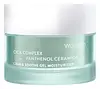
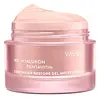
Wardah Cica Complex+Panthenol Ceramide Calm & Soothe Gel Moisturizer Versus Wardah Deep Water Restore Gel Moisturizer
This calming moisturizer is formulated around Niacinamide and Centella Asiatica Extract to calm redness and strengthen the skin barrier.
This barrier-repair moisturizer is formulated around Saccharide Isomerate and Bisabolol to strengthen the skin barrier and hydrate skin.

What's inside
What's inside
 Key Ingredients
Benefits
Concerns
No concerns
Ingredients Side-by-side
Water
Skin ConditioningNiacinamide
Smoothing











Butylene Glycol
Humectant
Propanediol
Solvent
Centella Asiatica Extract
Cleansing
Panthenol
Skin Conditioning
Ceramide NP
Skin Conditioning
Saccharide Isomerate
Humectant
Allantoin
Skin Conditioning
Mirabilis Jalapa Extract
Skin ConditioningGlycerin
Humectant
Xylitol
Humectant
1,2-Hexanediol
Skin Conditioning
Acrylates/C10-30 Alkyl Acrylate Crosspolymer
Emulsion StabilisingAmmonium Acryloyldimethyltaurate/Vp Copolymer
Aminomethyl Propanol
BufferingCaprylic/Capric Triglyceride
Masking
Chlorphenesin
Antimicrobial
Caprylhydroxamic Acid
ChelatingDisodium EDTA
ChelatingDeoxyphytantriyl Palmitamide Mea
Skin ConditioningHydrogenated Lecithin
Emulsifying
Cholesterol
Emollient
Citric Acid
Buffering

Sodium Citrate
BufferingWater, Niacinamide, Butylene Glycol, Propanediol, Centella Asiatica Extract, Panthenol, Ceramide NP, Saccharide Isomerate, Allantoin, Mirabilis Jalapa Extract, Glycerin, Xylitol, 1,2-Hexanediol, Acrylates/C10-30 Alkyl Acrylate Crosspolymer, Ammonium Acryloyldimethyltaurate/Vp Copolymer, Aminomethyl Propanol, Caprylic/Capric Triglyceride, Chlorphenesin, Caprylhydroxamic Acid, Disodium EDTA, Deoxyphytantriyl Palmitamide Mea, Hydrogenated Lecithin, Cholesterol, Citric Acid, Sodium Citrate
Water
Skin ConditioningTrisiloxane
Skin Conditioning
Glycerin
Humectant
Triheptanoin
Skin ConditioningButylene Glycol
Humectant
Trehalose
Humectant
Biosaccharide Gum-1
Humectant
Ammonium Acryloyldimethyltaurate/Vp Copolymer
Dimethicone
Emollient
Saccharide Isomerate
Humectant
Bisabolol
Antioxidant
Phenoxyethanol
Preservative
Beta-Glucan
Skin Conditioning
Sodium Hyaluronate
Humectant
Hydrolyzed Hyaluronic Acid
Humectant
Hyaluronic Acid
Humectant
Hydrolyzed Sodium Hyaluronate
Skin Conditioning
Hydroxypropyltrimonium Hyaluronate
Potassium Hyaluronate
Skin ConditioningSodium Acetylated Hyaluronate
Humectant
Sodium Hyaluronate Crosspolymer
Humectant
C12-13 Alkyl Glyceryl Hydrolyzed Hyaluronate
Brassica Campestris Seed Oil
Skin Conditioning

Pentylene Glycol
Skin Conditioning
Carbomer
Emulsion StabilisingPolyglyceryl-3 Methylglucose Distearate
Emulsifying
Dimethicone/Vinyl Dimethicone Crosspolymer
Skin Conditioning
Glycereth-20
HumectantDisodium EDTA
ChelatingPolysorbate 20
Emulsifying
Amodimethicone
Chlorphenesin
Antimicrobial
Sodium Hydroxide
BufferingSilica
Abrasive
Tocopheryl Acetate
Antioxidant
Potassium Hydroxide
BufferingParfum
Masking



Rose Extract
Skin ConditioningPropanediol
Solvent
Citric Acid
Buffering
Sodium Citrate
BufferingCaprylyl Glycol
Emollient
PEG-32
HumectantEthylhexylglycerin
Skin ConditioningDiazolidinyl Urea
Preservative
Tocopherol
Antioxidant
Trideceth-9
EmulsifyingPEG-40 Hydrogenated Castor Oil
Emulsifying
CI 19140
Cosmetic ColorantCI 17200
Cosmetic ColorantWater, Trisiloxane, Glycerin, Triheptanoin, Butylene Glycol, Trehalose, Biosaccharide Gum-1, Ammonium Acryloyldimethyltaurate/Vp Copolymer, Dimethicone, Saccharide Isomerate, Bisabolol, Phenoxyethanol, Beta-Glucan, Sodium Hyaluronate, Hydrolyzed Hyaluronic Acid, Hyaluronic Acid, Hydrolyzed Sodium Hyaluronate, Hydroxypropyltrimonium Hyaluronate, Potassium Hyaluronate, Sodium Acetylated Hyaluronate, Sodium Hyaluronate Crosspolymer, C12-13 Alkyl Glyceryl Hydrolyzed Hyaluronate, Brassica Campestris Seed Oil, Pentylene Glycol, Carbomer, Polyglyceryl-3 Methylglucose Distearate, Dimethicone/Vinyl Dimethicone Crosspolymer, Glycereth-20, Disodium EDTA, Polysorbate 20, Amodimethicone, Chlorphenesin, Sodium Hydroxide, Silica, Tocopheryl Acetate, Potassium Hydroxide, Parfum, Rose Extract, Propanediol, Citric Acid, Sodium Citrate, Caprylyl Glycol, PEG-32, Ethylhexylglycerin, Diazolidinyl Urea, Tocopherol, Trideceth-9, PEG-40 Hydrogenated Castor Oil, CI 19140, CI 17200
Reviews
Ingredients Explained
These ingredients are found in both products.
Ingredients higher up in an ingredient list are typically present in a larger amount.
Ammonium Acryloyldimethyltaurate/Vp Copolymer is a synthetically created polymer. It's used as a film-forming agent and used to thicken the consistency of products.
Think of it as a supportive ingredient that helps your gel-creams feel silky, "cloud cream-like", and spread evenly without being greasy.
The Cosmetic Ingredient Review (CIR) Expert Panel evaluated it (along with 22 other acryloyldimethyltaurate polymers) and concluded it's:
Due to its large molecular size, it sits on the surface of skin rather than penetrating it.
Learn more about Ammonium Acryloyldimethyltaurate/Vp CopolymerButylene Glycol (or BG) is used within cosmetic products for a few different reasons:
Overall, Butylene Glycol is a safe and well-rounded ingredient that works well with other ingredients.
Though this ingredient works well with most skin types, some people with sensitive skin may experience a reaction such as allergic rashes, closed comedones, or itchiness.
Learn more about Butylene GlycolChlorphenesin is a synthetic preservative. It helps protect a product against bacteria in order to extend shelf life. In most cases, Chlorphenesin is paired with other preservatives such as phenoxyethanol and caprylyl glycol.
Chlorphenesin is a biocide. This means it is able to help fight the microorganisms on our skin. It is also able to fight odor-releasing bacteria.
Chlorphenesin is soluble in both water and glycerin.
Studies show Chlorphenesin is easily absorbed by our skin. You should speak with a skincare professional if you have concerns about using Chlorphenesin.
Learn more about ChlorphenesinCitric Acid is an alpha hydroxy acid (AHA) naturally found in citrus fruits like oranges, lemons, and limes.
Like other AHAs, citric acid can exfoliate skin by breaking down the bonds that hold dead skin cells together. This helps reveal smoother and brighter skin underneath.
However, this exfoliating effect only happens at high concentrations (20%) which can be hard to find in cosmetic products.
Due to this, citric acid is usually included in small amounts as a pH adjuster. This helps keep products slightly more acidic and compatible with skin's natural pH.
In skincare formulas, citric acid can:
While it can provide some skin benefits, research shows lactic acid and glycolic acid are generally more effective and less irritating exfoliants.
Most citric acid used in skincare today is made by fermenting sugars (usually from molasses). This synthetic version is identical to the natural citrus form but easier to stabilize and use in formulations.
Rosacea skin has a lower threshold for acids generally, with 62.5% of rosacea subjects in one study reacting to lactic acid in a sting test. This is why we mark citric acid as a potential rosacea trigger.
However, this ingredient shows up as a pH adjuster or chelator at roughly 0.1-1% in many products. These low levels are unlikely to be an issue for rosacea skin and becomes a potential trigger at exfoliating concentrations (20%). Because everybody's skin is unique, we recommend a patch test if you are unsure.
Learn more about Citric AcidDisodium EDTA is a chelating agent. It grabs onto and deactivates metal ions that sneak into your products from water, packaging, or air.
This ingredient mainly works behind the scenes and helps with:
On top of that, this ingredient can counteract the effects of hard water by binding to the minerals in it.
One thing worth knowing is that Disodium EDTA has been shown to be a mild penetration enhancer. It can help other ingredients absorb into skin more effectively which can be a double-edged sword (great for actives, but can also make the active too strong if you have sensitive skin).
Clinical patch testing showed no significant skin irritation at typical use concentrations and minimal dermal absorption.
You'll most likely see this ingredient near the end of an ingredient list. It's typically found in concentrations less than 1%.
Learn more about Disodium EDTAGlycerin (or glycerol) is a compound naturally found in your skin. It's a powerhouse humectant that pulls water into the stratum corneum.
Topically, glycerin does several things at once:
Your skin makes glycerin on its own (mostly from sebaceous oil breakdown) and shuttles it to your outermost layer of skin, or your epidermis, via aquaporin-3.
Aquaporin-3 is a transporter that is essential for normal skin hydration, elasticity, and repair. Interestingly, mice lacking in AQP3 have dry and less elastic skin that can be fully corrected with glycerin.
This ingredient is non-irritating, plays well with almost every ingredient, and works across all skin types. Typical use is anywhere between 3-10% but can go up to 79% in some leave-on products.
Just know very high concentrations (>40%) can feel tacky in low humidity.
Glycerin is the name for this ingredient in American English. British English uses Glycerol/Glycerine.
Learn more about GlycerinPropanediol is an all-star ingredient. It softens, hydrates, and smooths the skin.
It’s often used to:
Propanediol is not likely to cause sensitivity and considered safe to use. It is derived from corn or petroleum with a clear color and no scent.
Learn more about PropanediolSaccharide Isomerate comes from sugars found in corn. It is a skin hydrator.
The structure of this ingredient can be altered to be more similar to the carbohydrates found in our skin. This ability to mimic our skin gives it hydrating properties.
Specifically, saccharide Isomerate is a humectant. Humectants draw moisture from the air to our skin.
Research shows Saccharide Isomerate to be an effective moisturizer.
Learn more about Saccharide IsomerateSodium Citrate is the sodium salts of citric acid. In skincare, it is used to alter pH levels and acts as a preservative.
Its main functions are to maintain the pH of a product and neutralize metal ions.
The acidity of our skin is maintained by our glands and skin biome; normal pH level of skin is slightly acidic (~4.75-5.5).
Being slightly acidic allows our skin to create an "acid mantle". This acid mantle is a thin barrier that protects our skin from bacteria and contaminants.
Learn more about Sodium CitrateWater. It's the most common cosmetic ingredient of all. You'll usually see it at the top of ingredient lists, meaning that it makes up the largest part of the product.
So why is it so popular? Water most often acts as a solvent - this means that it helps dissolve other ingredients into the formulation.
You'll also recognize water as that liquid we all need to stay alive. If you see this, drink a glass of water. Remember to stay hydrated!
Learn more about Water

