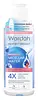
This mild micellar makeup remover is made to dissolve makeup, sunscreen, and daily buildup.
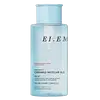
This salicylic acid micellar makeup remover is made to dissolve makeup, sunscreen, and daily buildup.

What's inside
What's inside
 Key Ingredients
Benefits
Concerns
Ingredients Side-by-side
Water
Skin ConditioningPEG-6 Caprylic/Capric Glycerides
EmulsifyingHexylene Glycol
EmulsifyingPEG-7 Olive Glycerides
EmollientGlycerin
Humectant


Niacinamide
Smoothing









Propanediol
Solvent
Mannitol
Humectant
Propylene Glycol
Humectant

Phenoxyethanol
Preservative
Panthenol
Skin Conditioning
Xylitol
Humectant
Allantoin
Skin Conditioning
Cetrimonium Bromide
Antimicrobial
Cucumis Sativus Fruit Extract
Emollient
Disodium EDTA
ChelatingEthylhexylglycerin
Skin ConditioningBiosaccharide Gum-2
Skin ConditioningButylene Glycol
Humectant
Parfum
Masking


Actinidia Polygama Fruit Extract
Skin ConditioningWater, PEG-6 Caprylic/Capric Glycerides, Hexylene Glycol, PEG-7 Olive Glycerides, Glycerin, Niacinamide, Propanediol, Mannitol, Propylene Glycol, Phenoxyethanol, Panthenol, Xylitol, Allantoin, Cetrimonium Bromide, Cucumis Sativus Fruit Extract, Disodium EDTA, Ethylhexylglycerin, Biosaccharide Gum-2, Butylene Glycol, Parfum, Actinidia Polygama Fruit Extract
Water
Skin ConditioningPEG-6 Caprylic/Capric Glycerides
EmulsifyingHexylene Glycol
EmulsifyingPEG-7 Glyceryl Cocoate
Emulsifying


Poloxamer 184
EmulsifyingDisodium Cocoamphodiacetate
CleansingDecyl Glucoside
Cleansing
Glycerin
Humectant
Ceramide NP
Skin Conditioning
Salicylic Acid
Masking
Ceramide AP
Skin Conditioning
Ceramide As
Skin Conditioning
Ceramide Ng
Skin Conditioning
Glycolic Acid
Buffering

Propanediol
Solvent
Sodium PCA
Humectant
Mel
EmollientUrea
Buffering
Fructose
Humectant
Glucose
Humectant
Caprylic/Capric Triglyceride
Masking
Centella Asiatica Extract
Cleansing
Sodium Hyaluronate
Humectant
Potassium Hyaluronate
Skin ConditioningSodium Hyaluronate Crosspolymer
Humectant
Sodium Acetylated Hyaluronate
Humectant
Hydroxypropyltrimonium Hyaluronate
Hydrolyzed Hyaluronic Acid
Humectant
Hyaluronic Acid
Humectant
Hydrolyzed Sodium Hyaluronate
Skin Conditioning
Hydrogenated Lecithin
Emulsifying
Pentylene Glycol
Skin Conditioning
Citric Acid
Buffering
Glycine
Buffering
Acetyl Glucosamine
Skin Conditioning
Glucuronolactone
Skin ConditioningLidocaine Hcl
1,2-Hexanediol
Skin Conditioning
Polygonum Cuspidatum Root Extract
Antioxidant
Scutellaria Baicalensis Root Extract
Astringent
Camellia Sinensis Leaf Extract
Antimicrobial
Glycyrrhiza Glabra Root Extract
Bleaching
Sucrose Stearate
EmollientPropylene Glycol
Humectant
Chamomilla Recutita Flower Extract
Masking
Rosmarinus Officinalis Leaf Extract
AntimicrobialEthylhexylglycerin
Skin ConditioningHydrolyzed Collagen
Emollient
Caprylyl Glycol
Emollient
Tropolone
Skin ConditioningGlycosphingolipids
EmollientTetrasodium EDTA
ChelatingCetrimonium Chloride
Antimicrobial
Sodium Chloride
MaskingSodium Glycolate
BufferingWater, PEG-6 Caprylic/Capric Glycerides, Hexylene Glycol, PEG-7 Glyceryl Cocoate, Poloxamer 184, Disodium Cocoamphodiacetate, Decyl Glucoside, Glycerin, Ceramide NP, Salicylic Acid, Ceramide AP, Ceramide As, Ceramide Ng, Glycolic Acid, Propanediol, Sodium PCA, Mel, Urea, Fructose, Glucose, Caprylic/Capric Triglyceride, Centella Asiatica Extract, Sodium Hyaluronate, Potassium Hyaluronate, Sodium Hyaluronate Crosspolymer, Sodium Acetylated Hyaluronate, Hydroxypropyltrimonium Hyaluronate, Hydrolyzed Hyaluronic Acid, Hyaluronic Acid, Hydrolyzed Sodium Hyaluronate, Hydrogenated Lecithin, Pentylene Glycol, Citric Acid, Glycine, Acetyl Glucosamine, Glucuronolactone, Lidocaine Hcl, 1,2-Hexanediol, Polygonum Cuspidatum Root Extract, Scutellaria Baicalensis Root Extract, Camellia Sinensis Leaf Extract, Glycyrrhiza Glabra Root Extract, Sucrose Stearate, Propylene Glycol, Chamomilla Recutita Flower Extract, Rosmarinus Officinalis Leaf Extract, Ethylhexylglycerin, Hydrolyzed Collagen, Caprylyl Glycol, Tropolone, Glycosphingolipids, Tetrasodium EDTA, Cetrimonium Chloride, Sodium Chloride, Sodium Glycolate
Ingredients Explained
These ingredients are found in both products.
Ingredients higher up in an ingredient list are typically present in a larger amount.
Ethylhexylglycerin is created from glycerin. It is a multitasker ingredient that:
The CIR Expert Panel found minimal skin absorption or sensitization of any kind in a safety assessment. Though this ingredient is considered well-tolerated, a small number of cases of allergic dermatitis have been published since 2002. Just be sure to patch test if you are unsure.
Industry-reported use ranges from 8% in rinse-off products and 2% in leave-on formulations.
Learn more about EthylhexylglycerinGlycerin (or glycerol) is a compound naturally found in your skin. It's a powerhouse humectant that pulls water into the stratum corneum.
Topically, glycerin does several things at once:
Your skin makes glycerin on its own (mostly from sebaceous oil breakdown) and shuttles it to your outermost layer of skin, or your epidermis, via aquaporin-3.
Aquaporin-3 is a transporter that is essential for normal skin hydration, elasticity, and repair. Interestingly, mice lacking in AQP3 have dry and less elastic skin that can be fully corrected with glycerin.
This ingredient is non-irritating, plays well with almost every ingredient, and works across all skin types. Typical use is anywhere between 3-10% but can go up to 79% in some leave-on products.
Just know very high concentrations (>40%) can feel tacky in low humidity.
Glycerin is the name for this ingredient in American English. British English uses Glycerol/Glycerine.
Learn more about GlycerinHexylene Glycol is a multitasker ingredient that works as a solvent, humectant, emulsifier, viscosity reducer, and preservative booster.
It is able to dissolve both water and oil-soluble ingredients to stabilize tricky actives and make products spread more easily.
As a humectant, it pulls water into the skin. But it's a pretty minor moisturizing ingredient compared to other humectants, like glycerin.
Interestingly, it can act as a mild penetration enhancer. One in vitro study on human skin found a 12% concentration upped the absorption of mometasone furoate (a medicinal ingredient used to treat inflammatory skin conditions) up to 7%.
This ingredient is typically used at levels of 0.1-10% depending on the role it's playing.
A patch test study on eczema patients didn't find a significant increase in irritation versus the control group, but the potential for irritation rises at higher concentrations.
Learn more about Hexylene GlycolThis ingredient is derived from caprylic and capric acids. It is an emulsifier with emollient properties.
According to the manufacturer, it is hydrophilic and soluble in aqueous solutions (water). They also state this ingredient is stable in a medium pH range (~5 - 8).
As an emulsifier, it helps make oils and oil-soluble ingredients more soluble in water.
Learn more about PEG-6 Caprylic/Capric GlyceridesPropanediol is an all-star ingredient. It softens, hydrates, and smooths the skin.
It’s often used to:
Propanediol is not likely to cause sensitivity and considered safe to use. It is derived from corn or petroleum with a clear color and no scent.
Learn more about PropanediolPropylene Glycol is a synthetic, colorless, odorless liquid that has been a staple in cosmetics for decades. It is a skin conditioning agent, humectant, and solvent.
As a humectant, it draw water to the skin to reduce flaking and restore suppleness. It's also a solvent that helps dissolve other actives and keeps formulas stable across temperature changes.
The CIR Expert Panel has confirmed this ingredient to be nontoxic and clinical studies show no sensitization at cosmetic use concentrations.
True allergic reactions are quite rare: a 15-year retrospective study of 6,751 patients found only 0.31% had a positive reaction (and less than half were considered clinically relevant).
It seemed that when sensitization does occur, it's most commonly linked to topical medication (like corticosteroids) and not cosmetics. Allergic contact dermatitis also appears largely limited to individuals with underlying skin conditions.
Overall, propylene glycol is a well-studied ingredient that most people can tolerate without issue.
Learn more about Propylene GlycolWater. It's the most common cosmetic ingredient of all. You'll usually see it at the top of ingredient lists, meaning that it makes up the largest part of the product.
So why is it so popular? Water most often acts as a solvent - this means that it helps dissolve other ingredients into the formulation.
You'll also recognize water as that liquid we all need to stay alive. If you see this, drink a glass of water. Remember to stay hydrated!
Learn more about Water

