This barrier-repair moisturizer is formulated around Ectoin and Sodium Hyaluronate to strengthen the skin barrier and hydrate skin.


What's inside
What's inside
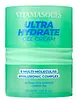 Key Ingredients
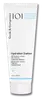
Benefits
Concerns
No concerns
Ingredients Side-by-side
Water
Skin ConditioningGlycerin
Humectant


Butylene Glycol
Humectant
Methyl Trimethicone
Skin Conditioning
Polyglycerin-3
Humectant
1,2-Hexanediol
Skin Conditioning
Hydroxyethyl Acrylate/Sodium Acryloyldimethyl Taurate Copolymer
Emulsion StabilisingAmmonium Acryloyldimethyltaurate/Vp Copolymer
Cetyl Ethylhexanoate
EmollientMicrocrystalline Cellulose
AbsorbentEthylhexylglycerin
Skin ConditioningEctoin
Skin Conditioning



Sodium Acrylate/Sodium Acryloyldimethyl Taurate Copolymer
Emulsion StabilisingSorbitan Isostearate
Emulsifying

Polyisobutene
Sodium Hyaluronate
Humectant
Cellulose Gum
Emulsion StabilisingDisodium EDTA
ChelatingCentella Asiatica Extract
Cleansing
Caprylyl/Capryl Glucoside
CleansingSorbitan Oleate
Emulsifying

Hydroxypropyltrimonium Hyaluronate
Diospyros Kaki Leaf Extract
Skin Protecting
Vitis Vinifera Fruit Extract
Skin ConditioningCoffea Arabica Seed Extract
Masking
Carthamus Tinctorius Flower Extract
Skin ConditioningPolygonum Cuspidatum Root Extract
Antioxidant
Camellia Sinensis Leaf Extract
Antimicrobial


Castanea Crenata Shell Extract
Skin ConditioningZanthoxylum Piperitum Fruit Extract
Skin ConditioningPropanediol
Solvent
Hydrolyzed Hyaluronic Acid
Humectant
Sodium Acetylated Hyaluronate
Humectant
Hyaluronic Acid
Humectant
Pentylene Glycol
Skin Conditioning
Hydrolyzed Sodium Hyaluronate
Skin Conditioning
Sodium Hyaluronate Crosspolymer
Humectant
Decyl Glucoside
Cleansing
Polyglyceryl-10 Laurate
Skin Conditioning
Potassium Hyaluronate
Skin ConditioningArtemisia Annua Extract
Masking
Hydrolyzed Vegetable Protein
Skin ConditioningMaltodextrin
Absorbent
Asiaticoside
Antioxidant
Madecassoside
Antioxidant
Asiatic Acid
Skin Conditioning
Madecassic Acid
Skin Conditioning
Water, Glycerin, Butylene Glycol, Methyl Trimethicone, Polyglycerin-3, 1,2-Hexanediol, Hydroxyethyl Acrylate/Sodium Acryloyldimethyl Taurate Copolymer, Ammonium Acryloyldimethyltaurate/Vp Copolymer, Cetyl Ethylhexanoate, Microcrystalline Cellulose, Ethylhexylglycerin, Ectoin, Sodium Acrylate/Sodium Acryloyldimethyl Taurate Copolymer, Sorbitan Isostearate, Polyisobutene, Sodium Hyaluronate, Cellulose Gum, Disodium EDTA, Centella Asiatica Extract, Caprylyl/Capryl Glucoside, Sorbitan Oleate, Hydroxypropyltrimonium Hyaluronate, Diospyros Kaki Leaf Extract, Vitis Vinifera Fruit Extract, Coffea Arabica Seed Extract, Carthamus Tinctorius Flower Extract, Polygonum Cuspidatum Root Extract, Camellia Sinensis Leaf Extract, Castanea Crenata Shell Extract, Zanthoxylum Piperitum Fruit Extract, Propanediol, Hydrolyzed Hyaluronic Acid, Sodium Acetylated Hyaluronate, Hyaluronic Acid, Pentylene Glycol, Hydrolyzed Sodium Hyaluronate, Sodium Hyaluronate Crosspolymer, Decyl Glucoside, Polyglyceryl-10 Laurate, Potassium Hyaluronate, Artemisia Annua Extract, Hydrolyzed Vegetable Protein, Maltodextrin, Asiaticoside, Madecassoside, Asiatic Acid, Madecassic Acid
Water
Skin ConditioningC15-19 Alkane
SolventGlycerin
Humectant
Caprylic/Capric Triglyceride
Masking
PEG/PPG/Polybutylene Glycol-8/5/3 Glycerin
HumectantIsosorbide Dicaprylate
Skin ConditioningEctoin
Skin Conditioning
Xylitylglucoside
Humectant
Bisabolol
Antioxidant
Allantoin
Skin Conditioning
Anhydroxylitol
Humectant
Xylitol
Humectant
Hydroxyethyl Acrylate/Sodium Acryloyldimethyl Taurate Copolymer
Emulsion StabilisingAmmonium Acryloyldimethyltaurate/Vp Copolymer
Glucose
Humectant
Citric Acid
Buffering
Tocopherol
Antioxidant

Ethylhexylglycerin
Skin ConditioningPhenoxyethanol
Preservative
Water, C15-19 Alkane, Glycerin, Caprylic/Capric Triglyceride, PEG/PPG/Polybutylene Glycol-8/5/3 Glycerin, Isosorbide Dicaprylate, Ectoin, Xylitylglucoside, Bisabolol, Allantoin, Anhydroxylitol, Xylitol, Hydroxyethyl Acrylate/Sodium Acryloyldimethyl Taurate Copolymer, Ammonium Acryloyldimethyltaurate/Vp Copolymer, Glucose, Citric Acid, Tocopherol, Ethylhexylglycerin, Phenoxyethanol
Reviews
Ingredients Explained
These ingredients are found in both products.
Ingredients higher up in an ingredient list are typically present in a larger amount.
Ammonium Acryloyldimethyltaurate/Vp Copolymer is a synthetically created polymer. It's used as a film-forming agent and used to thicken the consistency of products.
Think of it as a supportive ingredient that helps your gel-creams feel silky, "cloud cream-like", and spread evenly without being greasy.
The Cosmetic Ingredient Review (CIR) Expert Panel evaluated it (along with 22 other acryloyldimethyltaurate polymers) and concluded it's:
Due to its large molecular size, it sits on the surface of skin rather than penetrating it.
Learn more about Ammonium Acryloyldimethyltaurate/Vp CopolymerEctoin is a compound found naturally in some species of bacteria. It can be synthetically created for skincare use.
This ingredient is an osmolyte; Osmolytes help organisms survive osmotic shock (it protects them from extreme conditions). It does this by influencing the properties of biological fluids within cells.
When applied to the skin, ectoin helps bind water molecules to protect our skin. The water forms a sort of armor for the parts of our skin cells, enzymes, proteins, and more.
Besides this, ectoin has many uses in skincare:
A study from 2004 found ectoin to counteract the damage from UV-A exposure at different cell levels. It has also been shown to protect skin against both UV-A, UV-B rays, infrared light, and visible light.
Studies show ectoin to have dual-action pollution protection: first, it protects our skin from further pollution damage. Second, it helps repair damage from pollution.
In fact, ectoin has been shown to help with:
Fun fact: In the EU, ectoin is used in inhalation medication as an anti-pollution ingredient.
Ectoin is a highly stable ingredient. It has a wide pH range of 1-9. Light, oxygen, and temperature do not affect this ingredient.
The chemical name for this ingredient is Tetrahydromethylpyrimidine Carboxylic Acid.
Learn more about EctoinEthylhexylglycerin is created from glycerin. It is a multitasker ingredient that:
The CIR Expert Panel found minimal skin absorption or sensitization of any kind in a safety assessment. Though this ingredient is considered well-tolerated, a small number of cases of allergic dermatitis have been published since 2002. Just be sure to patch test if you are unsure.
Industry-reported use ranges from 8% in rinse-off products and 2% in leave-on formulations.
Learn more about EthylhexylglycerinGlycerin (or glycerol) is a compound naturally found in your skin. It's a powerhouse humectant that pulls water into the stratum corneum.
Topically, glycerin does several things at once:
Your skin makes glycerin on its own (mostly from sebaceous oil breakdown) and shuttles it to your outermost layer of skin, or your epidermis, via aquaporin-3.
Aquaporin-3 is a transporter that is essential for normal skin hydration, elasticity, and repair. Interestingly, mice lacking in AQP3 have dry and less elastic skin that can be fully corrected with glycerin.
This ingredient is non-irritating, plays well with almost every ingredient, and works across all skin types. Typical use is anywhere between 3-10% but can go up to 79% in some leave-on products.
Just know very high concentrations (>40%) can feel tacky in low humidity.
Glycerin is the name for this ingredient in American English. British English uses Glycerol/Glycerine.
Learn more about GlycerinThis is a synthetic polymer. It helps improve the texture of products by adding thickness and gel-like feel.
It is also an emulsifer, meaning it prevents ingredients such as oil and water from separating. It also helps evenly disperse other ingredients.
Water. It's the most common cosmetic ingredient of all. You'll usually see it at the top of ingredient lists, meaning that it makes up the largest part of the product.
So why is it so popular? Water most often acts as a solvent - this means that it helps dissolve other ingredients into the formulation.
You'll also recognize water as that liquid we all need to stay alive. If you see this, drink a glass of water. Remember to stay hydrated!
Learn more about Water

