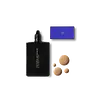
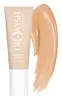
Victoria Beckham Beauty The Foundation Drops With TFC8 Versus Huda Beauty GloWish Multidew Skin Tint Foundation

What's inside
What's inside
 Key Ingredients
Benefits
Concerns
Ingredients Side-by-side
Water
Skin ConditioningIsoamyl Laurate
Emollient

Coco-Caprylate/Caprate
Emollient
Hydrogenated Ethylhexyl Olivate
EmollientPropanediol
Solvent

Ethylhexyl Polyhydroxystearate
EmollientPolyglyceryl-3 Polyricinoleate
Emulsifying
Polyglyceryl-4 Isostearate
Emulsifying
Shea Butter Ethyl Esters
Emollient
Polyglyceryl-2 Triisostearate
Emulsifying
Caprylic/Capric Triglyceride
Masking
Sorbitan Isostearate
Emulsifying
Synthetic Fluorphlogopite
Mica
Cosmetic ColorantDisteardimonium Hectorite
StabilisingGlycerin
Humectant
Echinacea Purpurea Extract
MoisturisingAcmella Oleracea Extract
Skin ProtectingOlea Europaea Leaf Extract
Perfuming
Dimethyl Isosorbide
SolventSqualane
Emollient
Polyglyceryl-2 Tetraisostearate
EmollientSimmondsia Chinensis Seed Oil
Emollient
Sodium Phytate
ChelatingLauroyl Lysine
Skin Conditioning
Hydrolyzed Rice Protein
Skin ConditioningOpuntia Ficus-Indica Stem Extract
Skin Conditioning
Pentylene Glycol
Skin Conditioning
Arginine
Masking
Glycine
Buffering
Lysine
Skin ConditioningOligopeptide-177

Oligopeptide-4
Skin Conditioning
Phenylalanine
Masking
Sisymbrium Irio Seed Oil
Masking
Hydrogenated Olive Oil Unsaponifiables
Emollient
Tocopheryl Acetate
Antioxidant


Glyceryl Ricinoleate
Emollient
Lecithin
Emollient
Butylene Glycol
Humectant
Xanthan Gum
Emulsifying1,2-Hexanediol
Skin Conditioning
Caprylyl Glycol
Emollient
Phenylpropanol
Masking
Sodium Dehydroacetate
Preservative
Sodium Chloride
MaskingTocopherol
Antioxidant

Potassium Sorbate
Preservative
Sodium Hydroxide
BufferingAluminum Hydroxide
EmollientCI 77891
Cosmetic ColorantIron Oxides
Water, Isoamyl Laurate, Coco-Caprylate/Caprate, Hydrogenated Ethylhexyl Olivate, Propanediol, Ethylhexyl Polyhydroxystearate, Polyglyceryl-3 Polyricinoleate, Polyglyceryl-4 Isostearate, Shea Butter Ethyl Esters, Polyglyceryl-2 Triisostearate, Caprylic/Capric Triglyceride, Sorbitan Isostearate, Synthetic Fluorphlogopite, Mica, Disteardimonium Hectorite, Glycerin, Echinacea Purpurea Extract, Acmella Oleracea Extract, Olea Europaea Leaf Extract, Dimethyl Isosorbide, Squalane, Polyglyceryl-2 Tetraisostearate, Simmondsia Chinensis Seed Oil, Sodium Phytate, Lauroyl Lysine, Hydrolyzed Rice Protein, Opuntia Ficus-Indica Stem Extract, Pentylene Glycol, Arginine, Glycine, Lysine, Oligopeptide-177, Oligopeptide-4, Phenylalanine, Sisymbrium Irio Seed Oil, Hydrogenated Olive Oil Unsaponifiables, Tocopheryl Acetate, Glyceryl Ricinoleate, Lecithin, Butylene Glycol, Xanthan Gum, 1,2-Hexanediol, Caprylyl Glycol, Phenylpropanol, Sodium Dehydroacetate, Sodium Chloride, Tocopherol, Potassium Sorbate, Sodium Hydroxide, Aluminum Hydroxide, CI 77891, Iron Oxides
Water
Skin ConditioningC15-19 Alkane
SolventIsoamyl Laurate
Emollient
Glycerin
Humectant
Propanediol
Solvent
Mica
Cosmetic ColorantSqualane
Emollient
Cetyl PEG/PPG-10/1 Dimethicone
Emulsifying
Polydecene
Skin ConditioningHydrogenated Styrene/Isoprene Copolymer
Sodium Chloride
MaskingRosa Damascena Flower Oil
Masking


Rosa Damascena Flower Water
Masking
Capsicum Annuum Fruit Extract
Antimicrobial
Caprylyl Glycol
Emollient
Cetyl Dimethicone/Bis-Vinyldimethicone Crosspolymer
Emollient
Hydroxyacetophenone
Antioxidant
Pentaerythrityl Tetra-Di-T-Butyl Hydroxyhydrocinnamate
Antioxidant
Triethoxycaprylylsilane
Polyglyceryl-4 Isostearate
Emulsifying
Trisodium Ethylenediamine Disuccinate
Chelating1,2-Hexanediol
Skin Conditioning
Pentylene Glycol
Skin Conditioning
Disteardimonium Hectorite
StabilisingXanthan Gum
EmulsifyingAlumina
Abrasive
Magnesium Oxide
AbsorbentCitric Acid
Buffering
Sodium Benzoate
Masking
Sodium Salicylate
Preservative
Titanium Dioxide
Cosmetic Colorant

CI 77163
Cosmetic Colorant

CI 77491
Cosmetic ColorantIron Oxides
CI 77492
Cosmetic ColorantWater, C15-19 Alkane, Isoamyl Laurate, Glycerin, Propanediol, Mica, Squalane, Cetyl PEG/PPG-10/1 Dimethicone, Polydecene, Hydrogenated Styrene/Isoprene Copolymer, Sodium Chloride, Rosa Damascena Flower Oil, Rosa Damascena Flower Water, Capsicum Annuum Fruit Extract, Caprylyl Glycol, Cetyl Dimethicone/Bis-Vinyldimethicone Crosspolymer, Hydroxyacetophenone, Pentaerythrityl Tetra-Di-T-Butyl Hydroxyhydrocinnamate, Triethoxycaprylylsilane, Polyglyceryl-4 Isostearate, Trisodium Ethylenediamine Disuccinate, 1,2-Hexanediol, Pentylene Glycol, Disteardimonium Hectorite, Xanthan Gum, Alumina, Magnesium Oxide, Citric Acid, Sodium Benzoate, Sodium Salicylate, Titanium Dioxide, CI 77163, CI 77491, Iron Oxides, CI 77492
Reviews
Ingredients Explained
These ingredients are found in both products.
Ingredients higher up in an ingredient list are typically present in a larger amount.
1,2-Hexanediol is a synthetic liquid and another multi-functional powerhouse.
It is a:
- Humectant, drawing moisture into the skin
- Emollient, helping to soften skin
- Solvent, dispersing and stabilizing formulas
- Preservative booster, enhancing the antimicrobial activity of other preservatives
Caprylyl Glycol is a humectant, skin conditioner, emollient, and preservative booster derived from either caprylic acid or synthetically created.
Typical use levels vary from 0.3-1% as a preservative booster and go up to 2% to condition skin.
Because it is not a free-fatty acid, this ingredient is fungal acne safe (there's nothing for Malassezia to feed on).
Learn more about Caprylyl GlycolDisteardimonium Hectorite comes from the clay mineral named hectorite. It is used to add thickness to a product.
It can also help stabilize a product by helping to disperse other ingredients.
Hectorite is a rare, white clay mineral.
Learn more about Disteardimonium HectoriteGlycerin (or glycerol) is a compound naturally found in your skin. It's a powerhouse humectant that pulls water into the stratum corneum.
Topically, glycerin does several things at once:
Your skin makes glycerin on its own (mostly from sebaceous oil breakdown) and shuttles it to your outermost layer of skin, or your epidermis, via aquaporin-3.
Aquaporin-3 is a transporter that is essential for normal skin hydration, elasticity, and repair. Interestingly, mice lacking in AQP3 have dry and less elastic skin that can be fully corrected with glycerin.
This ingredient is non-irritating, plays well with almost every ingredient, and works across all skin types. Typical use is anywhere between 3-10% but can go up to 79% in some leave-on products.
Just know very high concentrations (>40%) can feel tacky in low humidity.
Glycerin is the name for this ingredient in American English. British English uses Glycerol/Glycerine.
Learn more about GlycerinIsoamyl Laurate is a plant-derived and biodegradable lightweight emollient that is an Ecocert/COSMOS approved alternative to silicones.
It functions as an emollient that helps soften and hydrate skin without leaving a greasy/sticky feel.
You'll find it in a range of products from makeup to sunscreen, and typically at low percentages (~2-5%).
This ingredient is deemed safe at current cosmetic use and non-sensitizing in human studies (it's even approved as a food additive flavoring substance).
Because this ingredient is an easter of lauric acid, it falls in the C11-24 range that Malassezia can feed on, making this ingredient not fungal acne safe.
Learn more about Isoamyl LaurateMica is a naturally occurring mineral used to add shimmer and color in cosmetics. It can also help improve the texture of a product or give it an opaque, white/silver color.
Serecite is the name for very fine but ragged grains of mica.
This ingredient is often coated with metal oxides like titanium dioxide. Trace amounts of heavy metals may be found in mica, but these metals are not harmful in our personal products.
Mica has been used since prehistoric times throughout the world. Ancient Egyptian, Indian, Greek, Roman, Aztec, and Chinese civilizations have used mica.
Learn more about MicaPentylene Glycol (1,2-pentanediol) is a multitasking little diol with three main roles in a formula:
Research on alkanediols (the family pentylene glycol belongs to) show they work by disrupting microbial cell membranes. This disruption helps the primary preservative system in a product work more effectively at lower doses.
On the safety side, the Cosmetic Ingredient Review Expert Panel has concluded this ingredient to be safe as used in current cosmetic practices + concentrations.
Typical use levels in a formula run about 1-5%.
Learn more about Pentylene GlycolPolyglyceryl-4 Isostearate is a plant-derived, PEG-free emulsifier.
It's made by hooking isostearic acid onto a chain of glycerin units to give it a water-loving "head" and oil-loving "tail". This allows it to keep the oil and water mixed in a formula.
The highest reported concentration is about 24% in eye makeup but most suppliers recommend a level below 10%.
It has a clean track record for safety and found to be non-irritating.
Because it is an ester of a C18 fatty acid, Malassezia can potentially metabolize it (it sits in the C11-24 range that Malassezia likes). Therefore, this ingredient may not be fungal acne safe.
Learn more about Polyglyceryl-4 IsostearatePropanediol is an all-star ingredient. It softens, hydrates, and smooths the skin.
It’s often used to:
Propanediol is not likely to cause sensitivity and considered safe to use. It is derived from corn or petroleum with a clear color and no scent.
Learn more about PropanediolChances are, you eat sodium chloride every day. Sodium Chloride is also known as table salt. This ingredient has many purposes in skincare: thickener, emulsifier, and exfoliator.
You'll most likely find this ingredient in cleansers where it is used to create a gel-like texture. As an emulsifier, it also prevents ingredients from separating.
You might see people debate whether Sodium Chloride is comedogenic, but there actually haven't been any comedogenic tests done on it. Either way, the overall formulation of a product matters a lot more than any single ingredient.
You might see this ingredient used in scrubs as a primary exfoliating ingredient.
Learn more about Sodium ChlorideSqualane is the hydrogenated and shelf-stable form of squalene (a lipid that naturally occurs in human sebum).
It is an emollient and skin conditioning agent that is able to integrate seamlessly into the skin's lipid barrier without clogging pores.
This is due to how structurally similar it is to what your skin already produces.
Though it is mostly an emollient that helps soften and hydrate skin, it also has some humectant and occlusive action. Humectants help the skin retain moisture while occlusives seal it in, making squalane a triple-threat moisturizer.
Research shows it has antioxidant capabilities that help protect against stressors like UV exposure, specifically UVA induced oxidative stress. This study also found that it supports collagen biosynthesis in human dermal fibroblasts.
No clinical study has reported significant adverse effects and irritation reactions are very rare from this ingredient (even at 100% concentration).
Overall, it's a fantastic ingredient for hydration and is suitable for all skin types.
This depends on the source. Squalane can be derived from both plants and animals. Most squalane used in skincare comes from plants.
Please note: the source of squalane is only known if disclosed by the brand. We recommend reaching out to the brand if you have any questions about their squalane.
Read more about squalene with an "e".
Though squalane is often called an oil, it’s technically not one. It is a hydrocarbon, meaning it is only made of carbon and hydrogen. True oils are triglycerides and made of fatty acids and glycerol.
The term “oil-free” isn’t regulated so companies can define it however they want. Some exclude all oils, while others just avoid mineral oil or comedogenic oils.
Squalane has a comedogenic rating of 1 from the original 1972 study that tested raw ingredients under occlusion on rabbit ears. This system is not standardized or peer-reviewed, and using the raw ingredients is very different from how diluted cosmetic formulations are used on human skin.
A comedogenic rating of 1 means it is "unlikely to clog pores" according to the original rating system.
The overall formula of a product matters more than the individual ingredients on whether or not it will cause clogged pores.
Learn more about SqualaneWater. It's the most common cosmetic ingredient of all. You'll usually see it at the top of ingredient lists, meaning that it makes up the largest part of the product.
So why is it so popular? Water most often acts as a solvent - this means that it helps dissolve other ingredients into the formulation.
You'll also recognize water as that liquid we all need to stay alive. If you see this, drink a glass of water. Remember to stay hydrated!
Learn more about WaterXanthan gum is used as a stabilizer and thickener within cosmetic products. It helps give products a sticky, thick feeling - preventing them from being too runny.
On the technical side of things, xanthan gum is a polysaccharide - a combination consisting of multiple sugar molecules bonded together.
Xanthan gum is a pretty common and great ingredient. It is a natural, non-toxic, non-irritating ingredient that is also commonly used in food products.
Learn more about Xanthan GumThis ingredient is a combination of red, black, and yellow iron oxide pigments. This combination of colors is usually found in foundation, because it results in a "skin" color.
The EU typically uses CI numbers for colorants when applicable, such as CI 77489. In the US, iron oxides are regulated as color additives and "iron oxides" is the most commonly used name in US cosmetic practice.
A 2021 paper looked at skincare formulations containing iron oxides and found that they reduced transmission of blue light when measured optically. In simple terms, the pigment particles helped block or scatter part of the visible light spectrum in lab testing and the authors suggest this could translate into better protection against blue-light-related skin effects.
There is also clinical and experimental research showing that tinted products containing iron oxides can reduce visible light-induced pigmentation:
Please note, whether a product reduces visible or blue light depends on things like:
In the EU's CosIng database, iron oxides are only listed as a colorant. CosIng groups ingredients by their main cosmetic role, such as colorant, preservative, or UV filter.
Though studies say iron oxides can "attenuate blue light", they're describing an optical property and not an officially recognized cosmetic function.
So CosIng isn’t contradicting the research. It’s just classifying iron oxides by what they officially are: pigments that add color.
Learn more about Iron Oxides

