

What's inside
What's inside
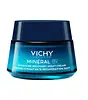 Key Ingredients
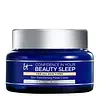
Benefits
Concerns
Ingredients Side-by-side
Water
Skin ConditioningGlycerin
Humectant



Squalane
Emollient
Niacinamide
Smoothing







Caprylic/Capric Triglyceride
Masking
Pentaerythrityl Tetraethylhexanoate
Emollient
Butylene Glycol
Humectant
Sodium Carbomer
Emulsion StabilisingChrysin
Skin ConditioningCitric Acid
Buffering


Copper Gluconate
Skin Conditioning
Hydroxyacetophenone
Antioxidant
Melatonin
Antioxidant
Mineral Salts
Skin Conditioning


Palmitoyl Tetrapeptide-7
Skin Conditioning

Rosmarinus Officinalis Leaf Extract
AntimicrobialSodium Hyaluronate
Humectant
Sodium Hydroxide
BufferingTrisodium Ethylenediamine Disuccinate
Vitreoscilla Ferment
Skin ConditioningTocopherol
Antioxidant
Biosaccharide Gum-1
Humectant
Caprylyl Glycol
Emollient
Glyceryl Isostearate
Emollient
Lactic Acid
Buffering
Maltodextrin
Absorbent
Pentylene Glycol
Skin ConditioningSilica
Abrasive
Sodium Stearoyl Glutamate
CleansingXanthan Gum
EmulsifyingSalicylic Acid
Masking

Parfum
Masking
Water, Glycerin, Squalane, Niacinamide, Caprylic/Capric Triglyceride, Pentaerythrityl Tetraethylhexanoate, Butylene Glycol, Sodium Carbomer, Chrysin, Citric Acid, Copper Gluconate, Hydroxyacetophenone, Melatonin, Mineral Salts, Palmitoyl Tetrapeptide-7, Rosmarinus Officinalis Leaf Extract, Sodium Hyaluronate, Sodium Hydroxide, Trisodium Ethylenediamine Disuccinate, Vitreoscilla Ferment, Tocopherol, Biosaccharide Gum-1, Caprylyl Glycol, Glyceryl Isostearate, Lactic Acid, Maltodextrin, Pentylene Glycol, Silica, Sodium Stearoyl Glutamate, Xanthan Gum, Salicylic Acid, Parfum
Water
Skin ConditioningDimethicone
Emollient
Glycerin
Humectant
Simmondsia Chinensis Seed Oil
Emollient
Hydrogenated Castor Oil Dimer Dilinoleate
Skin Conditioning
Propanediol
Solvent
Alcohol Denat.
Antimicrobial

Caprylic/Capric Triglyceride
Masking
Cetyl Alcohol
Emollient
Cetyl Hydroxyethylcellulose
Emulsion StabilisingOctyldodecanol
Emollient
Silica
Abrasive
Phenoxyethanol
Preservative
Albizia Julibrissin Bark Extract
MaskingCaprylyl Glycol
Emollient
Parfum
Masking
Poloxamer 338
EmulsifyingCapryloyl Salicylic Acid
Exfoliating
Limonene
Perfuming
Adenosine
Skin Conditioning
Tocopherol
Antioxidant
Xanthan Gum
EmulsifyingDisodium EDTA
Linalool
Perfuming
Ceramide NP
Skin Conditioning
Hydroxypalmitoyl Sphinganine
Skin Conditioning
Silica Dimethyl Silylate
EmollientHydrated Silica
Abrasive
Sodium Hyaluronate
Humectant
Polysorbate 60
Emulsifying
Citronellol
Perfuming
Sodium Benzoate
Masking
CI 16035
Cosmetic ColorantGeraniol
Perfuming
Cereus Grandiflorus Flower Extract
Skin ConditioningCitral
Perfuming
Darutoside
Skin ConditioningCI 42090
Cosmetic ColorantGlucose
Humectant
Lactic Acid
Buffering
Potassium Sorbate
Preservative
Water, Dimethicone, Glycerin, Simmondsia Chinensis Seed Oil, Hydrogenated Castor Oil Dimer Dilinoleate, Propanediol, Alcohol Denat., Caprylic/Capric Triglyceride, Cetyl Alcohol, Cetyl Hydroxyethylcellulose, Octyldodecanol, Silica, Phenoxyethanol, Albizia Julibrissin Bark Extract, Caprylyl Glycol, Parfum, Poloxamer 338, Capryloyl Salicylic Acid, Limonene, Adenosine, Tocopherol, Xanthan Gum, Disodium EDTA, Linalool, Ceramide NP, Hydroxypalmitoyl Sphinganine, Silica Dimethyl Silylate, Hydrated Silica, Sodium Hyaluronate, Polysorbate 60, Citronellol, Sodium Benzoate, CI 16035, Geraniol, Cereus Grandiflorus Flower Extract, Citral, Darutoside, CI 42090, Glucose, Lactic Acid, Potassium Sorbate
Reviews
Ingredients Explained
These ingredients are found in both products.
Ingredients higher up in an ingredient list are typically present in a larger amount.
This ingredient is an emollient, solvent, and texture enhancer. It is considered a skin-softener by helping the skin prevent moisture loss.
It helps thicken a product's formula and makes it easier to spread by dissolving clumping compounds.
Caprylic Triglyceride is made by combining glycerin with coconut oil, forming a clear liquid.
While there is an assumption Caprylic Triglyceride can clog pores due to it being derived from coconut oil, there is no research supporting this.
Learn more about Caprylic/Capric TriglycerideCaprylyl Glycol is a humectant and emollient, meaning it attracts and preserves moisture.
It is a common ingredient in many products, especially those designed to hydrate skin. The primary benefits are retaining moisture, skin softening, and promoting a healthy skin barrier.
Though Caprylyl Glycol is an alcohol derived from fatty acids, it is not the kind that can dry out skin.
This ingredient is also used as a preservative to extend the life of products. It has slight antimicrobial properties.
Learn more about Caprylyl GlycolGlycerin is already naturally found in your skin. It helps moisturize and protect your skin.
A study from 2016 found glycerin to be more effective as a humectant than AHAs and hyaluronic acid.
As a humectant, it helps the skin stay hydrated by pulling moisture to your skin. The low molecular weight of glycerin allows it to pull moisture into the deeper layers of your skin.
Hydrated skin improves your skin barrier; Your skin barrier helps protect against irritants and bacteria.
Glycerin has also been found to have antimicrobial and antiviral properties. Due to these properties, glycerin is often used in wound and burn treatments.
In cosmetics, glycerin is usually derived from plants such as soybean or palm. However, it can also be sourced from animals, such as tallow or animal fat.
This ingredient is organic, colorless, odorless, and non-toxic.
Glycerin is the name for this ingredient in American English. British English uses Glycerol/Glycerine.
Learn more about GlycerinLactic Acid is another well-loved alpha hydroxy acid (AHA). It is gentler than glycolic acid but still highly effective.
Its main role is to exfoliate the surface of the skin by loosening the “glue” that holds dead skin cells together. Shedding those old cells leads to smoother, softer, and more even-toned skin.
Because lactic acid molecules are larger than glycolic acid, they don’t penetrate as deeply. This means they’re less likely to sting or irritate, making it a great choice for beginners or those with sensitive skin.
Like glycolic acid, it can:
Lactic acid also acts as a humectant (like hyaluronic acid). It can draw water into the skin to improve hydration and also plays a role in the skin's natural moisturizing factor (NMF) in the form of sodium lactate.
Studies show it can boost ceramide production to strengthen the skin barrier and even help balance the skin’s microbiome.
To get results, choose products with a pH between 3-4.
Lower strengths (5-12%) focus on surface exfoliation; higher strengths (12% and up) can reach deeper in the dermis (deeper, supportive layer) to improve skin texture and firmness over time.
Though it was originally derived from milk, most modern lactic acid used in skincare is vegan. It is made through non-dairy fermentation to create a bio-identical and stable form suitable for all formulations.
When lactic acid shows up near the end of an ingredient list, it usually means the brand added just a tiny amount to adjust the product’s pH.
Legend has it that Cleopatra used to bathe in sour milk to help reduce wrinkles.
Lactic acid is truly a gentle multitasker: it exfoliates, hydrates, strengthens, and brightens. It's a great ingredient for giving your skin a smooth, glowing, and healthy look without the harshness of stronger acids.
Read more about some other popular AHA's here:
Learn more about Lactic AcidParfum is a catch-all term for an ingredient or more that is used to give a scent to products.
Also called "fragrance", this ingredient can be a blend of hundreds of chemicals or plant oils. This means every product with "fragrance" or "parfum" in the ingredients list is a different mixture.
For instance, Habanolide is a proprietary trade name for a specific aroma chemical. When used as a fragrance ingredient in cosmetics, most aroma chemicals fall under the broad labeling category of “FRAGRANCE” or “PARFUM” according to EU and US regulations.
The term 'parfum' or 'fragrance' is not regulated in many countries. In many cases, it is up to the brand to define this term.
For instance, many brands choose to label themselves as "fragrance-free" because they are not using synthetic fragrances. However, their products may still contain ingredients such as essential oils that are considered a fragrance by INCI standards.
One example is Calendula flower extract. Calendula is an essential oil that still imparts a scent or 'fragrance'.
Depending on the blend, the ingredients in the mixture can cause allergies and sensitivities on the skin. Some ingredients that are known EU allergens include linalool and citronellol.
Parfum can also be used to mask or cover an unpleasant scent.
The bottom line is: not all fragrances/parfum/ingredients are created equally. If you are worried about fragrances, we recommend taking a closer look at an ingredient. And of course, we always recommend speaking with a professional.
Learn more about ParfumSilica, also known as silicon dioxide, is a naturally occurring mineral. It is used as a fine, spherical, and porous powder in cosmetics.
Though it has exfoliant properties, the function of silica varies depending on the product.
The unique structure of silica enhances the spreadability and adds smoothness, making it a great texture enhancer.
It is also used as an active carrier, emulsifier, and mattifier due to its ability to absorb excess oil.
In some products, tiny microneedles called spicules are made from silica or hydrolyzed sponge. When you rub them in, they lightly polish away dead skin layers and enhance the penetration of active ingredients.
Learn more about SilicaSodium Hyaluronate is hyaluronic acid's salt form. It is commonly derived from the sodium salt of hyaluronic acid.
Like hyaluronic acid, it is great at holding water and acts as a humectant. This makes it a great skin hydrating ingredient.
Sodium Hyaluronate is naturally occurring in our bodies and is mostly found in eye fluid and joints.
These are some other common types of Hyaluronic Acid:
Learn more about Sodium HyaluronateTocopherol (also known as Vitamin E) is a common antioxidant used to help protect the skin from free-radicals and strengthen the skin barrier. It's also fat soluble - this means our skin is great at absorbing it.
Vitamin E also helps keep your natural skin lipids healthy. Your lipid skin barrier naturally consists of lipids, ceramides, and fatty acids. Vitamin E offers extra protection for your skin’s lipid barrier, keeping your skin healthy and nourished.
Another benefit is a bit of UV protection. Vitamin E helps reduce the damage caused by UVB rays. (It should not replace your sunscreen). Combining it with Vitamin C can decrease sunburned cells and hyperpigmentation after UV exposure.
You might have noticed Vitamin E + C often paired together. This is because it is great at stabilizing Vitamin C. Using the two together helps increase the effectiveness of both ingredients.
There are often claims that Vitamin E can reduce/prevent scarring, but these claims haven't been confirmed by scientific research.
Learn more about TocopherolWater. It's the most common cosmetic ingredient of all. You'll usually see it at the top of ingredient lists, meaning that it makes up the largest part of the product.
So why is it so popular? Water most often acts as a solvent - this means that it helps dissolve other ingredients into the formulation.
You'll also recognize water as that liquid we all need to stay alive. If you see this, drink a glass of water. Stay hydrated!
Learn more about WaterXanthan gum is used as a stabilizer and thickener within cosmetic products. It helps give products a sticky, thick feeling - preventing them from being too runny.
On the technical side of things, xanthan gum is a polysaccharide - a combination consisting of multiple sugar molecules bonded together.
Xanthan gum is a pretty common and great ingredient. It is a natural, non-toxic, non-irritating ingredient that is also commonly used in food products.
Learn more about Xanthan Gum
