Vichy Liftactiv B3 Serum Dark Spots & Wrinkles Versus Clinique Even Better Clinical Dark Spot Clearing Serum
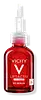
This brightening serum is formulated around Niacinamide and Glycolic Acid to fade the look of dark spots and soften the look of wrinkles.
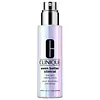
This brightening serum is formulated around Niacinamide and Ascorbyl Glucoside to fade the look of dark spots and brighten dull-looking skin.


What's inside
What's inside
 Key Ingredients
Benefits
Concerns
Ingredients Side-by-side
Water
Skin ConditioningButylene Glycol
Humectant

Niacinamide
Smoothing










Hydroxyethylpiperazine Ethane Sulfonic Acid
BufferingGlycerin
Humectant
Hydroxyethyl Urea
Humectant
Propylene Glycol
Humectant

Glycolic Acid
Buffering


Tranexamic Acid
Astringent
Allantoin
Skin Conditioning
Sodium Hydroxide
BufferingPhenoxyethanol
Preservative
Chlorphenesin
Antimicrobial
Ascorbyl Glucoside
Antioxidant

Caprylyl Glycol
Emollient
Hydrolyzed Rice Protein
Skin ConditioningVitreoscilla Ferment
Skin Conditioning
Trisodium Ethylenediamine Disuccinate
ChelatingXanthan Gum
EmulsifyingPentylene Glycol
Skin Conditioning
Water, Butylene Glycol, Niacinamide, Hydroxyethylpiperazine Ethane Sulfonic Acid, Glycerin, Hydroxyethyl Urea, Propylene Glycol, Glycolic Acid, Tranexamic Acid, Allantoin, Sodium Hydroxide, Phenoxyethanol, Chlorphenesin, Ascorbyl Glucoside, Caprylyl Glycol, Hydrolyzed Rice Protein, Vitreoscilla Ferment, Trisodium Ethylenediamine Disuccinate, Xanthan Gum, Pentylene Glycol
Water
Skin ConditioningDimethicone
Emollient
Isododecane
EmollientFaex Extract
Skin ConditioningButylene Glycol
Humectant
Polysilicone-11
Niacinamide
Smoothing
Ascorbyl Glucoside
Antioxidant
PEG-10 Dimethicone
Skin Conditioning
PEG-6
HumectantAcetyl Glucosamine
Skin Conditioning
Glycerin
Humectant
Sodium Hyaluronate
Humectant
Squalane
Emollient
Cholesterol
Emollient
Helianthus Annuus Seed Extract
Skin Conditioning
Trametes Versicolor Extract
Glycyrrhiza Glabra Root Extract
Bleaching
Hordeum Vulgare Extract
EmollientOryza Sativa Bran Extract
Skin Conditioning
Triticum Vulgare Germ Extract
Skin ConditioningCucumis Sativus Fruit Extract
Emollient
Camellia Sinensis Leaf Extract
Antimicrobial
Caffeine
Skin Conditioning
Salicylic Acid
Masking

Isohexadecane
EmollientPropylene Glycol Dicaprate
EmollientGlycyrrhetinic Acid
Skin Conditioning
Dimethoxytolyl Propylresorcinol
Antioxidant
Caprylyl Glycol
Emollient
Stearamidopropyl Dimethylamine
EmulsifyingPhosphatidylcholine
EmulsifyingSorbitan Oleate
Emulsifying

Polysorbate 20
Emulsifying
Polysorbate 80
Emulsifying
Stearic Acid
Cleansing
Hexylene Glycol
EmulsifyingTromethamine
BufferingCitric Acid
Buffering
Acrylamide/Sodium Acryloyldimethyltaurate Copolymer
Emulsion StabilisingAmmonium Acryloyldimethyltaurate/Vp Copolymer
Tocopheryl Acetate
Antioxidant
Magnesium Ascorbyl Phosphate
Antioxidant
BHT
Antioxidant
Sodium Citrate
BufferingDisodium EDTA
ChelatingNylon-12

Phenoxyethanol
Preservative
Water, Dimethicone, Isododecane, Faex Extract, Butylene Glycol, Polysilicone-11, Niacinamide, Ascorbyl Glucoside, PEG-10 Dimethicone, PEG-6, Acetyl Glucosamine, Glycerin, Sodium Hyaluronate, Squalane, Cholesterol, Helianthus Annuus Seed Extract, Trametes Versicolor Extract, Glycyrrhiza Glabra Root Extract, Hordeum Vulgare Extract, Oryza Sativa Bran Extract, Triticum Vulgare Germ Extract, Cucumis Sativus Fruit Extract, Camellia Sinensis Leaf Extract, Caffeine, Salicylic Acid, Isohexadecane, Propylene Glycol Dicaprate, Glycyrrhetinic Acid, Dimethoxytolyl Propylresorcinol, Caprylyl Glycol, Stearamidopropyl Dimethylamine, Phosphatidylcholine, Sorbitan Oleate, Polysorbate 20, Polysorbate 80, Stearic Acid, Hexylene Glycol, Tromethamine, Citric Acid, Acrylamide/Sodium Acryloyldimethyltaurate Copolymer, Ammonium Acryloyldimethyltaurate/Vp Copolymer, Tocopheryl Acetate, Magnesium Ascorbyl Phosphate, BHT, Sodium Citrate, Disodium EDTA, Nylon-12, Phenoxyethanol
Reviews
Ingredients Explained
These ingredients are found in both products.
Ingredients higher up in an ingredient list are typically present in a larger amount.
Ascorbyl Glucoside (AA-2G) is one of the most stable vitamin C derivatives out there.
It's made by attaching a glucose molecule to ascorbic acid; this glucose "cap" shields the vitamin C from air, light, heat, and metal ions that normally cause pure ascorbic acid to oxidize.
Once on your skin, the enzyme alpha-glucosidase snips off the glucose and gradually releases active ascorbic acid right where it's needed. Basically, it behaves like a slow-release pro-vitamin C with less of a stinging that high-strength ascorbic acid can cause.
The research supports the classic vitamin C benefits as well. In lab and human studies, AA-2G slowed down the skin's production of melanin (the pigment behind dark spots) and helped shield skin cells against sun damage better than ascorbyl phosphate.
These studies also showed AA-2G released vitamin C over a longer period.
A frequently cited manufacturer trial found that a 2% AA-2G face cream significantly improved wrinkle depth and skin roughness after 45 days.
And in 2009, a clinical trial showed it meaningfully lightened dark patches on the gums compared to a placebo.
There's also collagen-synthesis support (since vitamin C is a required cofactor for that) and an antioxidant effect too.
Typical usage is usually between 0.5-5% and most studies/products land around 2%.
AA-2G performs best when formulated at a mildly acidic pH (~5-7) which is much gentler than the pH that pure vitamin C demands (~2.5-3.5).
Just one thing worth knowing: the in-skin conversation rate is only about 55-60% by weight. So a 5% AA-2G product delivers roughly 2.75-3% of actual active vitamin C. On top of that, skin absorption is relatively low because the ingredient is water-soluble.
Learn more about Ascorbyl GlucosideButylene Glycol (or BG) is used within cosmetic products for a few different reasons:
Overall, Butylene Glycol is a safe and well-rounded ingredient that works well with other ingredients.
Though this ingredient works well with most skin types, some people with sensitive skin may experience a reaction such as allergic rashes, closed comedones, or itchiness.
Learn more about Butylene GlycolCaprylyl Glycol is a humectant, skin conditioner, emollient, and preservative booster derived from either caprylic acid or synthetically created.
Typical use levels vary from 0.3-1% as a preservative booster and go up to 2% to condition skin.
Because it is not a free-fatty acid, this ingredient is fungal acne safe (there's nothing for Malassezia to feed on).
Learn more about Caprylyl GlycolGlycerin (or glycerol) is a compound naturally found in your skin. It's a powerhouse humectant that pulls water into the stratum corneum.
Topically, glycerin does several things at once:
Your skin makes glycerin on its own (mostly from sebaceous oil breakdown) and shuttles it to your outermost layer of skin, or your epidermis, via aquaporin-3.
Aquaporin-3 is a transporter that is essential for normal skin hydration, elasticity, and repair. Interestingly, mice lacking in AQP3 have dry and less elastic skin that can be fully corrected with glycerin.
This ingredient is non-irritating, plays well with almost every ingredient, and works across all skin types. Typical use is anywhere between 3-10% but can go up to 79% in some leave-on products.
Just know very high concentrations (>40%) can feel tacky in low humidity.
Glycerin is the name for this ingredient in American English. British English uses Glycerol/Glycerine.
Learn more about GlycerinNiacinamide is a multitasking form of vitamin B3 that strengthens the skin barrier, reduces pores and dark spots, regulates oil, and improves signs of aging.
And the best part? It's gentle and well-tolerated by most skin types, including sensitive and reactive skin.
You might have heard of "niacin flush", or the reddening of skin that causes itchiness. Niacinamide has not been found to cause this.
In very rare cases, some individuals may not be able to tolerate niacinamide at all or experience an allergic reaction to it.
If you are experiencing flaking, irritation, and dryness with this ingredient, be sure to double check all your products as this ingredient can be found in all categories of skincare.
When incorporating niacinamide into your routine, look out for concentration amounts. Typically, 5% niacinamide provides benefits such as fading dark spots. However, if you have sensitive skin, it is better to begin with a smaller concentration.
When you apply niacinamide to your skin, your body converts it into nicotinamide adenine dinucleotide (NAD). NAD is an essential coenzyme that is already found in your cells as "fuel" and powers countless biological processes.
In your skin, NAD helps repair cell damage, produce new healthy cells, support collagen production, strengthen the skin barrier, and fight environmental stressors (like UV and pollution).
Our natural NAD levels start to decline with age, leading to slower skin repair, visible aging, and a weaker skin barrier. By providing your skin niacinamide, you're recharging your skin's NAD levels. This leads to stronger, healthier, and younger looking skin.
Another name for vitamin B3 is nicotinamide. This vitamin is water-soluble and our bodies don't store it. We obtain Vitamin B3 from either food or skincare. Meat, fish, wheat, yeast, and leafy greens contain vitamin B3.
The type of niacinamide used in skincare is synthetically created.
Learn more about NiacinamidePhenoxyethanol is one of the most widely used preservatives in skincare (and for good reason!).
It has a large spectrum of antimicrobial activity and especially effective bacteria, yeast, and mold while only having a weak effect on your skin's natural microbiome.
On a cellular level, it disrupts the cell membranes of microbes by poking holes that make the cell leak. This shuts down the chemical reactions the microbe needs to make energy so it can no longer survive.
Another perk of this ingredient is that it stays functional across a wide pH range (3-10).
You'll often see it paired with boosters like Ethylhexylglycerin; one study showed that a 1:9 ratio of Ethylhexylglycerin to Phenoxyethanol damages bacterial membranes as effectively as doubling the Phenoxyethanol concentration on its own.
Typical use concentrations range from 0.3-1% depending on the formula, and this ingredient is capped at 1% int the EU.
Safety-wise, the fear mongering does not hold up to the evidence. The EU's Scientific Committee on Consumer Safety and FDA consider it safe as a preservative at up to 1%, including for children of all ages.
Adverse systemic effects only showed up in animal studies at exposures roughly 200x higher than what people get from cosmetics. And despite its very widespread use, this ingredient is a rare sensitizer and allergic reactions are uncommon.
Learn more about PhenoxyethanolWater. It's the most common cosmetic ingredient of all. You'll usually see it at the top of ingredient lists, meaning that it makes up the largest part of the product.
So why is it so popular? Water most often acts as a solvent - this means that it helps dissolve other ingredients into the formulation.
You'll also recognize water as that liquid we all need to stay alive. If you see this, drink a glass of water. Remember to stay hydrated!
Learn more about Water

