Veecci Dual-Ended Evenly Matched Concealer Versus Village 11 Factory My Skin Fit BB Cream SPF 50+ PA++++


What's inside
What's inside
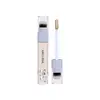 Key Ingredients
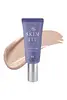
Benefits
Concerns
No concerns
Ingredients Side-by-side
Water
Skin ConditioningCI 77891
Cosmetic ColorantCyclopentasiloxane
Emollient
Butylene Glycol
Humectant

Phenyl Trimethicone
Skin Conditioning
Mica
Cosmetic ColorantHydrogenated Polyisobutene
EmollientTrimethylsiloxysilicate
Emollient
Cetyl PEG/PPG-10/1 Dimethicone
Emulsifying
Pentylene Glycol
Skin Conditioning
CI 77492
Cosmetic ColorantPEG-10 Dimethicone
Skin Conditioning
Magnesium Sulfate
Phenoxyethanol
Preservative
Triethoxycaprylylsilane
Disteardimonium Hectorite
StabilisingAluminum Hydroxide
EmollientCI 77499
Cosmetic ColorantCI 77491
Cosmetic ColorantDipotassium Glycyrrhizate
Humectant

Propylene Carbonate
SolventEthylhexylglycerin
Skin ConditioningSodium Hyaluronate
Humectant

Tocopherol
Antioxidant



Water, CI 77891, Cyclopentasiloxane, Butylene Glycol, Phenyl Trimethicone, Mica, Hydrogenated Polyisobutene, Trimethylsiloxysilicate, Cetyl PEG/PPG-10/1 Dimethicone, Pentylene Glycol, CI 77492, PEG-10 Dimethicone, Magnesium Sulfate, Phenoxyethanol, Triethoxycaprylylsilane, Disteardimonium Hectorite, Aluminum Hydroxide, CI 77499, CI 77491, Dipotassium Glycyrrhizate, Propylene Carbonate, Ethylhexylglycerin, Sodium Hyaluronate, Tocopherol
Water
Skin ConditioningCI 77891
Cosmetic ColorantDimethicone
Emollient
Phenyl Trimethicone
Skin Conditioning
Homosalate
Skin Conditioning

Butylene Glycol
Humectant
Butylene Glycol Dicaprylate/Dicaprate
EmollientDipropylene Glycol
HumectantPhenylbenzimidazole Sulfonic Acid
UV Absorber
Lauryl PEG-8 Dimethicone
Surfactant
Diethylamino Hydroxybenzoyl Hexyl Benzoate
UV Filter
Niacinamide
Smoothing




PEG-10 Dimethicone
Skin Conditioning
Tromethamine
BufferingDisteardimonium Hectorite
StabilisingGlycerin
Humectant
Magnesium Sulfate
Cetyl PEG/PPG-10/1 Dimethicone
Emulsifying
CI 77492
Cosmetic ColorantAluminum Hydroxide
EmollientTriethoxycaprylylsilane
Stearic Acid
Cleansing


Sodium Benzoate
Masking
CI 77491
Cosmetic ColorantAlumina
Abrasive
Potassium Sorbate
Preservative
Xanthan Gum
EmulsifyingCI 77499
Cosmetic ColorantPanthenol
Skin Conditioning
Trisodium Ethylenediamine Disuccinate
ChelatingEthylhexylglycerin
Skin ConditioningAdenosine
Skin Conditioning
Adansonia Digitata Seed Extract
Skin ConditioningHamamelis Virginiana Leaf Extract
Skin Conditioning

Lavandula Angustifolia Flower Extract
Cleansing

Cetraria Islandica Extract
CleansingFucus Vesiculosus Extract
Emollient
Glycyrrhiza Uralensis Root Extract
Skin Conditioning
Gelidium Cartilagineum Extract
Skin ProtectingHimanthalia Elongata Extract
Skin Protecting
Laminaria Japonica Extract
Skin Protecting
Myrciaria Dubia Fruit Extract
Skin ConditioningMelaleuca Alternifolia Leaf Extract
Perfuming
1,2-Hexanediol
Skin Conditioning
Centella Asiatica Extract
Cleansing
Sodium Hyaluronate
Humectant
Pentaerythrityl Tetra-Di-T-Butyl Hydroxyhydrocinnamate
Antioxidant
Polyglutamic Acid
Skin Conditioning
Tocopherol
Antioxidant
Hyaluronic Acid
Humectant
Hydrolyzed Hyaluronic Acid
Humectant
Hydroxypropyltrimonium Hyaluronate
Hydrolyzed Sodium Hyaluronate
Skin Conditioning
Potassium Hyaluronate
Skin ConditioningSodium Hyaluronate Crosspolymer
Humectant
Pentylene Glycol
Skin Conditioning
Sodium Acetylated Hyaluronate
Humectant
Water, CI 77891, Dimethicone, Phenyl Trimethicone, Homosalate, Butylene Glycol, Butylene Glycol Dicaprylate/Dicaprate, Dipropylene Glycol, Phenylbenzimidazole Sulfonic Acid, Lauryl PEG-8 Dimethicone, Diethylamino Hydroxybenzoyl Hexyl Benzoate, Niacinamide, PEG-10 Dimethicone, Tromethamine, Disteardimonium Hectorite, Glycerin, Magnesium Sulfate, Cetyl PEG/PPG-10/1 Dimethicone, CI 77492, Aluminum Hydroxide, Triethoxycaprylylsilane, Stearic Acid, Sodium Benzoate, CI 77491, Alumina, Potassium Sorbate, Xanthan Gum, CI 77499, Panthenol, Trisodium Ethylenediamine Disuccinate, Ethylhexylglycerin, Adenosine, Adansonia Digitata Seed Extract, Hamamelis Virginiana Leaf Extract, Lavandula Angustifolia Flower Extract, Cetraria Islandica Extract, Fucus Vesiculosus Extract, Glycyrrhiza Uralensis Root Extract, Gelidium Cartilagineum Extract, Himanthalia Elongata Extract, Laminaria Japonica Extract, Myrciaria Dubia Fruit Extract, Melaleuca Alternifolia Leaf Extract, 1,2-Hexanediol, Centella Asiatica Extract, Sodium Hyaluronate, Pentaerythrityl Tetra-Di-T-Butyl Hydroxyhydrocinnamate, Polyglutamic Acid, Tocopherol, Hyaluronic Acid, Hydrolyzed Hyaluronic Acid, Hydroxypropyltrimonium Hyaluronate, Hydrolyzed Sodium Hyaluronate, Potassium Hyaluronate, Sodium Hyaluronate Crosspolymer, Pentylene Glycol, Sodium Acetylated Hyaluronate
Ingredients Explained
These ingredients are found in both products.
Ingredients higher up in an ingredient list are typically present in a larger amount.
Aluminum Hydroxide is a form of aluminum. It can be naturally found in nature as the mineral gibbsite. In cosmetics, Aluminum Hydroxide is used as a colorant, pH adjuster, and absorbent.
As a colorant, Aluminum Hydroxide may add opacity, or reduce the transparency. Aluminum hydroxide is contains both basic and acidic properties.
According to manufacturers, this ingredient is an emollient and humectant. This means it helps hydrate the skin.
In medicine, this ingredient is used to help relieve heartburn and help heal ulcers.
There is currently no credible scientific evidence linking aluminum hydroxide in cosmetics to increased cancer risk.
Major health organizations allow the use of aluminum hydroxide in personal care products and have not flagged it as a carcinogenic risk at typical usage levels.
Learn more about Aluminum HydroxideButylene Glycol (or BG) is used within cosmetic products for a few different reasons:
Overall, Butylene Glycol is a safe and well-rounded ingredient that works well with other ingredients.
Though this ingredient works well with most skin types, some people with sensitive skin may experience a reaction such as allergic rashes, closed comedones, or itchiness.
Learn more about Butylene GlycolThis ingredient is a silicone-based emulsifer that helps the water and oil phases play nicely together.
It's pretty effective because one end of the molecule loves oil and the other one loves water.
Besides holding formulas together, it also leaves a silky and lightweight feel on skin without the greasiness. A manufacturer also claims it can help with the controlled release of active ingredients.
The CIR Expert Panel found this ingredient to not be sensitizing in concentrations up to 15% in human maximazation testing and dimethicone-based compounds were not comedogenic.
It has a high molecular weight well above 1,000 g/mol which means it limits meaningful skin penetration.
A 2019 study specifically tested this ingredient and found no observable Malassezia growth in its presence.
Learn more about Cetyl PEG/PPG-10/1 DimethiconeCi 77491 is also hydrated iron III oxide. It's sole purpose is to give a red/pink hue to products.
Iron III oxides are classified as inorganic chemicals for coloring.
Synthetically created Ci 77491 is considered safer than those naturally found. This is because the synthetically created version may contain less impurities. Iron oxides are generally non-toxic and non-allergenic.
Learn more about CI 77491CI 77492 is also hydrated iron III oxide. It's sole purpose is to give a yellow hue to products.
Iron III oxides are classified as inorganic chemicals for coloring.
Synthetically created CI 77492 is considered safer than those naturally found. This is because the synthetically created version may contain less impurities. Iron oxides are generally non-toxic and non-allergenic.
Learn more about CI 77492Ci 77499 is also hydrated iron III oxide. It is created from mixing red and black iron oxides. This helps give shades of darkness to a product.
Iron III oxides are classified as inorganic chemicals for coloring.
Ci 77891 is a white pigment from Titanium dioxide. It is naturally found in minerals such as rutile and ilmenite.
It's main function is to add a white color to cosmetics. It can also be mixed with other colors to create different shades.
Ci 77891 is commonly found in sunscreens due to its ability to block UV rays.
Learn more about CI 77891Disteardimonium Hectorite comes from the clay mineral named hectorite. It is used to add thickness to a product.
It can also help stabilize a product by helping to disperse other ingredients.
Hectorite is a rare, white clay mineral.
Learn more about Disteardimonium HectoriteEthylhexylglycerin is created from glycerin. It is a multitasker ingredient that:
The CIR Expert Panel found minimal skin absorption or sensitization of any kind in a safety assessment. Though this ingredient is considered well-tolerated, a small number of cases of allergic dermatitis have been published since 2002. Just be sure to patch test if you are unsure.
Industry-reported use ranges from 8% in rinse-off products and 2% in leave-on formulations.
Learn more about EthylhexylglycerinMagnesium Sulfate is a salt. More specifically, it is an epsom salt, or the bath salt used to help relieve muscle aches.
Despite having ‘sulfate’ in the name, it isn’t a surfactant or cleansing agent like sodium lauryl sulfate. Unlike those sulfates, magnesium sulfate doesn’t have the same cleansing or foaming properties (it's simply a type of salt).
In cosmetics, Magnesium Sulfate is used to thicken a product or help dilute other solids. It is a non-reactive and non-irritating ingredient.
One study shows magnesium deficiency may lead to inflammation of the skin. Applying magnesium topically may help reduce inflammation.
You can find this ingredient in sea water or mineral deposits.
Learn more about Magnesium SulfatePeg-10 Dimethicone is silicone with conditioner and emulsifier properties. It mostly acts as an emollient in skincare and and humectant in haircare.
According to the manufacturer, acidic formulations decrease the stability of this ingredient. It works best in neutral or near neutral formulations.
Pentylene Glycol (1,2-pentanediol) is a multitasking little diol with three main roles in a formula:
Research on alkanediols (the family pentylene glycol belongs to) show they work by disrupting microbial cell membranes. This disruption helps the primary preservative system in a product work more effectively at lower doses.
On the safety side, the Cosmetic Ingredient Review Expert Panel has concluded this ingredient to be safe as used in current cosmetic practices + concentrations.
Typical use levels in a formula run about 1-5%.
Learn more about Pentylene GlycolPhenyl Trimethicone is a silicon-based polymer. It is derived from silica.
Phenyl Trimethicone is used as an emollient and prevents products from foaming.
As an emollient, it helps trap moisture in the skin. It is considered an occlusive.
Learn more about Phenyl TrimethiconeSodium Hyaluronate is the salt form of hyaluronic acid. It is a long sugar chain that is naturally found in your skin, joints, and connective tissue that maintains hydration and elasticity.
In skincare, it works as a humectant. It pulls water from the environment and deeper layers of skin and binds it to the surface.
Interestingly, the size of the molecule affects its behavior:
Some clinical evidence links low molecular weight versions to improved wrinkle depth, elasticity, anti-inflammatory effects, and barrier repair.
Many serums use a blend of both weights so you can get surface hydration plus longer-lasting and deeper effects.
You'll typically see concentrations between 0.1-2% for this ingredient.
Learn more about Sodium HyaluronateTocopherol is a fat-soluble antioxidant known as Vitamin E.
You'll find this ingredient in the vast majority of skincare (for good reason). It works to neutralize free radicals, or unstable molecules generated by UV exposure, pollution, and other environmental stressors, before they can cause oxidative damage to your skin cells.
Topically applied tocopherol has been shown to protect against UV damage by ramping up the skin's own natural defense enzymes.
It also acts as a skin conditioning agent; some studies show that regular topical use can improve the skin's water-binding capacity over 2-4 weeks.
This ingredient is especially loved for being a team player. When combined with Vitamin C, the photoprotective effect of both ingredients roughly doubles and the combo also helps reduce UV-induced DNA damage.
This ingredient has some brightening potential but it's more of a prevention ingredient than spot-fader. Cell studies show it can slow down melanin production but it's worth noting that it's not the most powerful brightener out there.
In formulations, it also serves as a stabilizer that helps protect other oxidation-prone ingredients from degrading.
Concentrations usually range from 0.1-1% in most leave-on products.
Learn more about TocopherolTriethoxycaprylylsilane is a silicon-based surface modifier that makes sunscreens feel silky and makeup stay put.
Its main job is to coat mineral particles like titanium dioxide, zinc oxide, and color pigments in a thin, oily layer so they spread smoothly, don't clump, and stick to skin better.
This ingredient is typically used at low levels (up to 2.5% in eyeshadow and 1% in lipstick).
Learn more about TriethoxycaprylylsilaneWater. It's the most common cosmetic ingredient of all. You'll usually see it at the top of ingredient lists, meaning that it makes up the largest part of the product.
So why is it so popular? Water most often acts as a solvent - this means that it helps dissolve other ingredients into the formulation.
You'll also recognize water as that liquid we all need to stay alive. If you see this, drink a glass of water. Remember to stay hydrated!
Learn more about Water

