
What's inside
What's inside
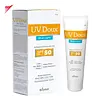 Key Ingredients
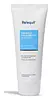
Benefits
Concerns
Ingredients Side-by-side
Cyclopentasiloxane
Emollient
Dimethicone Crosspolymer
Emulsion Stabilising
Ethylhexyl Methoxycinnamate
UV Absorber


Titanium Dioxide
Cosmetic Colorant
Zinc Oxide
Cosmetic Colorant
Coco-Caprylate/Caprate
Emollient
Polyglyceryl-3 Polyricinoleate
Emulsifying
Isostearic Acid
Cleansing
Bis-Ethylhexyloxyphenol Methoxyphenyl Triazine
Skin Conditioning
Dimethicone
Emollient
Talc
Abrasive
CI 77499
Cosmetic ColorantCI 77491
Cosmetic ColorantCI 77492
Cosmetic ColorantMethylene Bis-Benzotriazolyl Tetramethylbutylphenol
UV Filter
Thermus Thermophillus Ferment
Skin ConditioningGlycerin
Humectant

Phenoxyethanol
Preservative
Melanin
Skin ProtectingSodium Levulinate
Skin ConditioningPotassium Sorbate
Preservative
Parfum
Masking



Cyclopentasiloxane, Dimethicone Crosspolymer, Ethylhexyl Methoxycinnamate, Titanium Dioxide, Zinc Oxide, Coco-Caprylate/Caprate, Polyglyceryl-3 Polyricinoleate, Isostearic Acid, Bis-Ethylhexyloxyphenol Methoxyphenyl Triazine, Dimethicone, Talc, CI 77499, CI 77491, CI 77492, Methylene Bis-Benzotriazolyl Tetramethylbutylphenol, Thermus Thermophillus Ferment, Glycerin, Phenoxyethanol, Melanin, Sodium Levulinate, Potassium Sorbate, Parfum
Water
Skin ConditioningCaprylic/Capric Triglyceride
Masking
Myristyl Myristate
Emollient
Ethylhexyl Stearate
Emollient
Cetearyl Alcohol
Emollient
Propanediol
Solvent
Cetearyl Ethylhexanoate
Emollient
C14-22 Alcohols
Emulsion Stabilising
Mangifera Indica Seed Butter
Skin Conditioning
Arachidyl Alcohol
Emollient
C12-20 Alkyl Glucoside
EmulsifyingBehenyl Alcohol
Emollient
Octyldodecanol
Emollient
Squalane
Emollient
Arachidyl Glucoside
EmulsifyingDimethicone
Emollient
Saccharide Isomerate
Humectant
Panthenol
Skin Conditioning
Tocopheryl Acetate
Antioxidant


Ceramide NP
Skin Conditioning
Sodium Hyaluronate
Humectant
Sodium Hyaluronate Crosspolymer
Humectant
Borago Officinalis Seed Oil
Emollient
Simmondsia Chinensis Seed Oil
Emollient
Phenoxyethanol
Preservative
Allantoin
Skin Conditioning
Potassium Cetyl Phosphate
EmulsifyingCarbomer
Emulsion StabilisingTriethanolamine
BufferingEthylhexylglycerin
Skin ConditioningParfum
Masking
Water, Caprylic/Capric Triglyceride, Myristyl Myristate, Ethylhexyl Stearate, Cetearyl Alcohol, Propanediol, Cetearyl Ethylhexanoate, C14-22 Alcohols, Mangifera Indica Seed Butter, Arachidyl Alcohol, C12-20 Alkyl Glucoside, Behenyl Alcohol, Octyldodecanol, Squalane, Arachidyl Glucoside, Dimethicone, Saccharide Isomerate, Panthenol, Tocopheryl Acetate, Ceramide NP, Sodium Hyaluronate, Sodium Hyaluronate Crosspolymer, Borago Officinalis Seed Oil, Simmondsia Chinensis Seed Oil, Phenoxyethanol, Allantoin, Potassium Cetyl Phosphate, Carbomer, Triethanolamine, Ethylhexylglycerin, Parfum
Ingredients Explained
These ingredients are found in both products.
Ingredients higher up in an ingredient list are typically present in a larger amount.
Dimethicone is a type of synthetic silicone created from natural materials such as quartz. It is also known as polydimethylsiloxane.
What it does:
Dimethicone comes in different viscosities:
Depending on the viscosity, dimethicone has different properties.
Ingredients lists don't always show which type is used, so we recommend reaching out to the brand if you have questions about the viscosity.
This ingredient is unlikely to cause irritation because it does not get absorbed into skin. However, people with silicone allergies should be careful about using this ingredient.
Note: Dimethicone may contribute to pilling. This is because it is not oil or water soluble, so pilling may occur when layered with products. When mixed with heavy oils in a formula, the outcome is also quite greasy.
Learn more about DimethiconeParfum is a catch-all term for an ingredient or more that is used to give a scent to products.
Also called "fragrance", this ingredient can be a blend of hundreds of chemicals or plant oils. This means every product with "fragrance" or "parfum" in the ingredients list is a different mixture.
For instance, Habanolide is a proprietary trade name for a specific aroma chemical. When used as a fragrance ingredient in cosmetics, most aroma chemicals fall under the broad labeling category of “FRAGRANCE” or “PARFUM” according to EU and US regulations.
The term 'parfum' or 'fragrance' is not regulated in many countries. In many cases, it is up to the brand to define this term.
For instance, many brands choose to label themselves as "fragrance-free" because they are not using synthetic fragrances. However, their products may still contain ingredients such as essential oils that are considered a fragrance by INCI standards.
One example is Calendula flower extract. Calendula is an essential oil that still imparts a scent or 'fragrance'.
Depending on the blend, the ingredients in the mixture can cause allergies and sensitivities on the skin. Some ingredients that are known EU allergens include linalool and citronellol.
Parfum can also be used to mask or cover an unpleasant scent.
The bottom line is: not all fragrances/parfum/ingredients are created equally. If you are worried about fragrances, we recommend taking a closer look at an ingredient. And of course, we always recommend speaking with a professional.
Learn more about ParfumPhenoxyethanol is a preservative that has germicide, antimicrobial, and aromatic properties. Studies show that phenoxyethanol can prevent microbial growth. By itself, it has a scent that is similar to that of a rose.
It's often used in formulations along with Caprylyl Glycol to preserve the shelf life of products.

