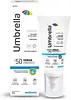
This hybrid sunscreen covers the full UV range and blocks ~98% of UVB at SPF 50.
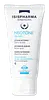
This brightening serum is formulated around Glycolic Acid and Niacinamide to fade the look of dark spots and refine skin texture.


What's inside
What's inside
 Key Ingredients
Benefits
Concerns
Ingredients Side-by-side
Water
Skin ConditioningButyl Methoxydibenzoylmethane
UV Absorber
Ethylhexyl Methoxycinnamate
UV Absorber

Octocrylene
UV Absorber
Butylene Glycol
Humectant

Phospholipids
Skin Conditioning
Phenoxyethanol
Preservative
Cyclotetrasiloxane
Emollient
Cyclopentasiloxane
Emollient
Tris-Biphenyl Triazine
UV Absorber
Decyl Glucoside
Cleansing
Disodium Phosphate
BufferingXanthan Gum
EmulsifyingHydrogenated Polyisobutene
EmollientDimethicone Crosspolymer-3
Skin Conditioning
Laureth-4
Emulsifying
Laureth-23
Cleansing
Bis-PEG-18 Methyl Ether Dimethyl Silane
EmollientIsopentyldiol
Humectant
Polymethyl Methacrylate

PEG-12 Dimethicone
Skin Conditioning
C12-15 Alkyl Benzoate
AntimicrobialDibutyl Adipate
EmollientSodium Polyacrylate
Absorbent
Dimethicone
Emollient
Trideceth-6
EmulsifyingPEG/PPG-18/18 Dimethicone
Emulsifying
Caprylyl Methicone
Skin Conditioning
Polymethylsilsesquioxane
Methylene Bis-Benzotriazolyl Tetramethylbutylphenol
UV Filter
Propylene Glycol
Humectant
Bis-Ethylhexyloxyphenol Methoxyphenyl Triazine
UV Absorber
Sodium Laureth Sulfate
Cleansing

Aminomethyl Propanol
BufferingDimethicone Crosspolymer
Emulsion Stabilising
Dimethicone/Vinyl Dimethicone Crosspolymer
Skin Conditioning
Dimethiconol
Emollient
Gossypium Hirsutum Extract
Skin ConditioningSodium Stearoyl Glutamate
CleansingHydroxyacetophenone
Antioxidant
1,2-Hexanediol
Skin Conditioning
Caprylyl Glycol
Emollient
Diisopropyl Adipate
EmollientOxothiazolidine
Skin ProtectingAmmonium Acryloyldimethyltaurate/Carboxyethyl Acrylate Crosspolymer
Benzylidene Dimethoxydimethylindanone
Skin ProtectingTitanium Dioxide
Cosmetic Colorant
Mica
Cosmetic ColorantTin Oxide
Abrasive
Potassium Cetyl Phosphate
EmulsifyingHydrogenated Palm Glycerides
Emollient
Disodium EDTA
ChelatingWater, Butyl Methoxydibenzoylmethane, Ethylhexyl Methoxycinnamate, Octocrylene, Butylene Glycol, Phospholipids, Phenoxyethanol, Cyclotetrasiloxane, Cyclopentasiloxane, Tris-Biphenyl Triazine, Decyl Glucoside, Disodium Phosphate, Xanthan Gum, Hydrogenated Polyisobutene, Dimethicone Crosspolymer-3, Laureth-4, Laureth-23, Bis-PEG-18 Methyl Ether Dimethyl Silane, Isopentyldiol, Polymethyl Methacrylate, PEG-12 Dimethicone, C12-15 Alkyl Benzoate, Dibutyl Adipate, Sodium Polyacrylate, Dimethicone, Trideceth-6, PEG/PPG-18/18 Dimethicone, Caprylyl Methicone, Polymethylsilsesquioxane, Methylene Bis-Benzotriazolyl Tetramethylbutylphenol, Propylene Glycol, Bis-Ethylhexyloxyphenol Methoxyphenyl Triazine, Sodium Laureth Sulfate, Aminomethyl Propanol, Dimethicone Crosspolymer, Dimethicone/Vinyl Dimethicone Crosspolymer, Dimethiconol, Gossypium Hirsutum Extract, Sodium Stearoyl Glutamate, Hydroxyacetophenone, 1,2-Hexanediol, Caprylyl Glycol, Diisopropyl Adipate, Oxothiazolidine, Ammonium Acryloyldimethyltaurate/Carboxyethyl Acrylate Crosspolymer, Benzylidene Dimethoxydimethylindanone, Titanium Dioxide, Mica, Tin Oxide, Potassium Cetyl Phosphate, Hydrogenated Palm Glycerides, Disodium EDTA
Water
Skin ConditioningDimethicone
Emollient
Glycolic Acid
Buffering






Caprylic/Capric Triglyceride
Masking
Alcohol Denat.
Antimicrobial
Glycerin
Humectant
Isopentyldiol
Humectant
Niacinamide
Smoothing


Sodium Hydroxide
BufferingPolyacrylate Crosspolymer-6
Emulsion Stabilising1,2-Hexanediol
Skin Conditioning
Bentonite
Absorbent
Hydroxyethyl Acrylate/Sodium Acryloyldimethyl Taurate Copolymer
Emulsion StabilisingHydroxyethylcellulose
Emulsion StabilisingSalicylic Acid
Masking
Dimethicone/Vinyl Dimethicone Crosspolymer
Skin Conditioning
Parfum
Masking

Chlorphenesin
Antimicrobial
Beta-Glucan
Skin Conditioning
Algin
MaskingCitric Acid
Buffering
Xanthan Gum
EmulsifyingBenzoic Acid
Masking
Polysorbate 60
Emulsifying
Sorbic Acid
Preservative
Sorbitan Isostearate
Emulsifying
T-Butyl Alcohol
Perfuming
Disodium Phosphate
BufferingHydrated Silica
Abrasive
Sodium Phosphate
BufferingGlycyrrhiza Glabra Root Extract
Bleaching
Trimethoxybenzyl Acetylsinapate
BleachingDiacetyl Boldine
Skin Conditioning
Water, Dimethicone, Glycolic Acid, Caprylic/Capric Triglyceride, Alcohol Denat., Glycerin, Isopentyldiol, Niacinamide, Sodium Hydroxide, Polyacrylate Crosspolymer-6, 1,2-Hexanediol, Bentonite, Hydroxyethyl Acrylate/Sodium Acryloyldimethyl Taurate Copolymer, Hydroxyethylcellulose, Salicylic Acid, Dimethicone/Vinyl Dimethicone Crosspolymer, Parfum, Chlorphenesin, Beta-Glucan, Algin, Citric Acid, Xanthan Gum, Benzoic Acid, Polysorbate 60, Sorbic Acid, Sorbitan Isostearate, T-Butyl Alcohol, Disodium Phosphate, Hydrated Silica, Sodium Phosphate, Glycyrrhiza Glabra Root Extract, Trimethoxybenzyl Acetylsinapate, Diacetyl Boldine
Reviews
Ingredients Explained
These ingredients are found in both products.
Ingredients higher up in an ingredient list are typically present in a larger amount.
1,2-Hexanediol is a synthetic liquid and another multi-functional powerhouse.
It is a:
- Humectant, drawing moisture into the skin
- Emollient, helping to soften skin
- Solvent, dispersing and stabilizing formulas
- Preservative booster, enhancing the antimicrobial activity of other preservatives
Dimethicone is a type of synthetic silicone created from natural materials such as quartz. It is also known as polydimethylsiloxane.
What it does:
Dimethicone comes in different viscosities:
Depending on the viscosity, dimethicone has different properties.
Ingredients lists don't always show which type is used, so we recommend reaching out to the brand if you have questions about the viscosity.
This ingredient is unlikely to cause irritation because it does not get absorbed into skin. However, people with silicone allergies should be careful about using this ingredient.
Note: Dimethicone may contribute to pilling. This is because it is not oil or water soluble, so pilling may occur when layered with products. When mixed with heavy oils in a formula, the outcome is also quite greasy.
Learn more about DimethiconeThis ingredient is a silicone elastomer that works as a texture enhancer, adds a silky slip, and also helps absorb excess oil.
Because it's a large macromolecule that's insoluble in water and chemically inert, it's not expected to penetrate or be absorbed into skin.
Human patch tests with a facial lotion containing 1% of this ingredient found no sensitization.
Learn more about Dimethicone/Vinyl Dimethicone CrosspolymerDisodium Phosphate is a water-soluble powder used as a pH adjuster and mild chelating agent. It basically holds a specific pH and binds stray metal ions so your product stays stable.
This ingredient is usually used at very low levels and concentrations range from 0.000054% - 2.9%. The CIR Expert Panel states this ingredient to be non-irritating at current use levels.
Isopentyldiol is a synthetic solvent, humectant, and emollient.
Humectants have the ability to attract and hold water while emollients create a thin film to prevent water from evaporating. This combination keeps your skin and hair soft and hydrated. Plus, isopentyldiol does not leave a sticky feeling behind.
As a surfactant, isopentyldiol is a hydrotrope. Hydrotropes help surfactants (cleansing agents) dissolve into water.
According to the manufacturer, using this ingredient with sorbitol boosts skin hydration and helps close cuticles of damaged hair.
This ingredient is water-soluble.
Learn more about IsopentyldiolWater. It's the most common cosmetic ingredient of all. You'll usually see it at the top of ingredient lists, meaning that it makes up the largest part of the product.
So why is it so popular? Water most often acts as a solvent - this means that it helps dissolve other ingredients into the formulation.
You'll also recognize water as that liquid we all need to stay alive. If you see this, drink a glass of water. Remember to stay hydrated!
Learn more about WaterXanthan gum is used as a stabilizer and thickener within cosmetic products. It helps give products a sticky, thick feeling - preventing them from being too runny.
On the technical side of things, xanthan gum is a polysaccharide - a combination consisting of multiple sugar molecules bonded together.
Xanthan gum is a pretty common and great ingredient. It is a natural, non-toxic, non-irritating ingredient that is also commonly used in food products.
Learn more about Xanthan Gum

