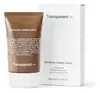
This anti-aging treatment is formulated around Bakuchiol and Palmitoyl Tripeptide-1 to soften the look of wrinkles and refine skin texture.
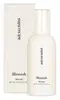
This brightening serum is formulated around Niacinamide and Galactomyces Ferment Filtrate to fade the look of dark spots and refine skin texture.


What's inside
What's inside
 Key Ingredients
Benefits
Concerns
Ingredients Side-by-side
Water
Skin ConditioningGlycerin
Humectant


Caprylic/Capric Triglyceride
Masking
Tribehenin PEG-20 Esters
EmollientDimethicone
Emollient
Squalane
Emollient
Propanediol
Solvent
Coco-Caprylate
Emollient
C10-18 Triglycerides
Emollient

Tricaprylin
Perfuming

Bakuchiol
Antimicrobial







Cetearyl Alcohol
Emollient



Ceramide Ng
Skin Conditioning
Hydrolyzed Hyaluronic Acid
Humectant
Palmitoyl Tripeptide-1
Skin Conditioning
Palmitoyl Tetrapeptide-7
Skin Conditioning
Centella Asiatica Callus Conditioned Media
Skin Conditioning
Lactococcus Ferment Lysate
Skin Conditioning
Dimethicone/Vinyl Dimethicone Crosspolymer
Skin Conditioning
Xanthan Gum
EmulsifyingAcrylates/C10-30 Alkyl Acrylate Crosspolymer
Emulsion StabilisingButylene Glycol
Humectant
Carbomer
Emulsion StabilisingSodium Lactate
Buffering
Lactic Acid
Buffering


Polysorbate 20
Emulsifying
Tocopherol
Antioxidant
Caprylyl Glycol
Emollient
Citric Acid
Buffering
Sodium Chloride
MaskingSodium Benzoate
Masking
Tocopheryl Acetate
Antioxidant
Ethylhexylglycerin
Skin ConditioningPhenoxyethanol
Preservative
Water, Glycerin, Caprylic/Capric Triglyceride, Tribehenin PEG-20 Esters, Dimethicone, Squalane, Propanediol, Coco-Caprylate, C10-18 Triglycerides, Tricaprylin, Bakuchiol, Cetearyl Alcohol, Ceramide Ng, Hydrolyzed Hyaluronic Acid, Palmitoyl Tripeptide-1, Palmitoyl Tetrapeptide-7, Centella Asiatica Callus Conditioned Media, Lactococcus Ferment Lysate, Dimethicone/Vinyl Dimethicone Crosspolymer, Xanthan Gum, Acrylates/C10-30 Alkyl Acrylate Crosspolymer, Butylene Glycol, Carbomer, Sodium Lactate, Lactic Acid, Polysorbate 20, Tocopherol, Caprylyl Glycol, Citric Acid, Sodium Chloride, Sodium Benzoate, Tocopheryl Acetate, Ethylhexylglycerin, Phenoxyethanol
Water
Skin ConditioningButylene Glycol
Humectant
Glycerin
Humectant
Isopentyldiol
Humectant
Niacinamide
Smoothing

1,2-Hexanediol
Skin Conditioning
Galactomyces Ferment Filtrate
Humectant
Ammonium Acryloyldimethyltaurate/Vp Copolymer
Cetearyl Olivate
Sorbitan Olivate
Emulsifying
Ethylhexylglycerin
Skin ConditioningPropanediol
Solvent
Xanthan Gum
EmulsifyingPolyglyceryl-10 Laurate
Skin Conditioning
Adenosine
Skin Conditioning
Disodium EDTA
ChelatingGlyceryl Acrylate/Acrylic Acid Copolymer
HumectantCarbomer
Emulsion StabilisingTromethamine
BufferingPvm/Ma Copolymer
Emulsion StabilisingAllantoin
Skin Conditioning
Panthenol
Skin Conditioning
Lactobacillus/Soybean Ferment Extract
Skin ConditioningSodium Hyaluronate
Humectant
Lactobacillus/Punica Granatum Fruit Ferment Extract
Antioxidant
Lactobacillus/Acerola Cherry Ferment
Skin ProtectingLactobacillus/Wasabia Japonica Root Ferment Extract
Antioxidant
Lactobacillus/Hibiscus Sabdariffa Flower Ferment Filtrate
Skin ConditioningSaccharomyces/Xylinum/Black Tea Ferment
Skin Conditioning
Saccharomyces/Viscum Album Ferment Extract
Skin Conditioning
Saccharomyces/Imperata Cylindrica Root Ferment Extract
Emollient
Hydrolyzed Hyaluronic Acid
Humectant
Hydrolyzed Sodium Hyaluronate
Skin Conditioning
Bakuchiol
Antimicrobial
Sodium Benzoate
Masking
Sodium Acetylated Hyaluronate
Humectant
Hydroxypropyltrimonium Hyaluronate
Dimethylsilanol Hyaluronate
Humectant
Sodium Hyaluronate Crosspolymer
Humectant
Pentylene Glycol
Skin Conditioning
Hyaluronic Acid
Humectant
Potassium Hyaluronate
Skin ConditioningWater, Butylene Glycol, Glycerin, Isopentyldiol, Niacinamide, 1,2-Hexanediol, Galactomyces Ferment Filtrate, Ammonium Acryloyldimethyltaurate/Vp Copolymer, Cetearyl Olivate, Sorbitan Olivate, Ethylhexylglycerin, Propanediol, Xanthan Gum, Polyglyceryl-10 Laurate, Adenosine, Disodium EDTA, Glyceryl Acrylate/Acrylic Acid Copolymer, Carbomer, Tromethamine, Pvm/Ma Copolymer, Allantoin, Panthenol, Lactobacillus/Soybean Ferment Extract, Sodium Hyaluronate, Lactobacillus/Punica Granatum Fruit Ferment Extract, Lactobacillus/Acerola Cherry Ferment, Lactobacillus/Wasabia Japonica Root Ferment Extract, Lactobacillus/Hibiscus Sabdariffa Flower Ferment Filtrate, Saccharomyces/Xylinum/Black Tea Ferment, Saccharomyces/Viscum Album Ferment Extract, Saccharomyces/Imperata Cylindrica Root Ferment Extract, Hydrolyzed Hyaluronic Acid, Hydrolyzed Sodium Hyaluronate, Bakuchiol, Sodium Benzoate, Sodium Acetylated Hyaluronate, Hydroxypropyltrimonium Hyaluronate, Dimethylsilanol Hyaluronate, Sodium Hyaluronate Crosspolymer, Pentylene Glycol, Hyaluronic Acid, Potassium Hyaluronate
Reviews
Ingredients Explained
These ingredients are found in both products.
Ingredients higher up in an ingredient list are typically present in a larger amount.
Bakuchiol is a plant-derived antioxidant from the seeds of the Psoralea corylifolia plant. It has antimicrobial, emollient, skin conditioning, and antioxidant properties.
You'll likely see it called a "retinol replacement" but the two are technically not related. This is because bakuchiol is able to flip many of the same switches in your skin cells to tell them to:
1) produce more collagen (type I, III, and IV)
2) activate the same genes retinoids do
Unlike retinoids, this ingredient will not increase photosensitivity and is safe to use during pregnancy (but please still check in with your doctor!).
The flagship clinical trial from Dhaliwal et al. 2019 found 0.5% bakuchiol (twice daily) and 0.5% retinol (once daily) reduced wrinkles and hyperpigmentation equally, but bakuchiol had significantly less irritation.
Systematic reviews also back this up:
Bakuchiol is comparable to retinol for photoaging but with better tolerability. It also has mild antibacterial properties against Cutibacterium acnes and antifungal activity in vitro against Candida and dermatophytes.
The reason bakuchiol works well is due to its structure; it is a meroterpene phenol, or a hybrid molecule. The phenol half acts as an antioxidant while the terpene half is fat-loving. This helps the molecule slip through the skin barrier.
This ingredient is usually used between 0.5-2%. Only one case of contact dermatitis has ever been reported for this ingredient.
Learn more about BakuchiolButylene Glycol (or BG) is used within cosmetic products for a few different reasons:
Overall, Butylene Glycol is a safe and well-rounded ingredient that works well with other ingredients.
Though this ingredient works well with most skin types, some people with sensitive skin may experience a reaction such as allergic rashes, closed comedones, or itchiness.
Learn more about Butylene GlycolCarbomer is a synthetic thickening and gelling agent. It's basically the ingredient that gives a lot of serums, gels, creams, and sunscreens their smooth, non-sticky texture.
Although legally permitted at very high levels, carbomers are normally used at concentrations below 1%.
It also needs to be neutralized to actually thicken, and because it is a large molecule, it doesn't really penetrate the skin barrier.
Allergy-wise, the risk is very low. Clinical studies show carbomers have low potential for skin irritation/sensitization even at concentrations up to 100%.
A 2024 UK study patch-tested 1,302 patients and found true allergy to the parent group of carbomer to be rare with no confirmed relevant reactions.
Learn more about CarbomerEthylhexylglycerin is created from glycerin. It is a multitasker ingredient that:
The CIR Expert Panel found minimal skin absorption or sensitization of any kind in a safety assessment. Though this ingredient is considered well-tolerated, a small number of cases of allergic dermatitis have been published since 2002. Just be sure to patch test if you are unsure.
Industry-reported use ranges from 8% in rinse-off products and 2% in leave-on formulations.
Learn more about EthylhexylglycerinGlycerin (or glycerol) is a compound naturally found in your skin. It's a powerhouse humectant that pulls water into the stratum corneum.
Topically, glycerin does several things at once:
Your skin makes glycerin on its own (mostly from sebaceous oil breakdown) and shuttles it to your outermost layer of skin, or your epidermis, via aquaporin-3.
Aquaporin-3 is a transporter that is essential for normal skin hydration, elasticity, and repair. Interestingly, mice lacking in AQP3 have dry and less elastic skin that can be fully corrected with glycerin.
This ingredient is non-irritating, plays well with almost every ingredient, and works across all skin types. Typical use is anywhere between 3-10% but can go up to 79% in some leave-on products.
Just know very high concentrations (>40%) can feel tacky in low humidity.
Glycerin is the name for this ingredient in American English. British English uses Glycerol/Glycerine.
Learn more about GlycerinHydrolyzed Hyaluronic Acid is hyaluronic acid (HA) that is broken down into lower molecular weight fragments.
It's a humectant that pulls and holds water in the skin to help with hydration, plumpness, and reduce transepidermal water loss.
Because hydrolyzed hyaluronic acid is smaller in size, it can slip past your outermost layer of skin more easily than full-sized HA.
Most formulations will combine all sizes to get the best of both worlds.
Typical usage levels range from 0.01-1%. Any percentage higher than 2% might become goopy and tacky.
Learn more about Hydrolyzed Hyaluronic AcidPropanediol is an all-star ingredient. It softens, hydrates, and smooths the skin.
It’s often used to:
Propanediol is not likely to cause sensitivity and considered safe to use. It is derived from corn or petroleum with a clear color and no scent.
Learn more about PropanediolSodium Benzoate is a preservative. It's used in both cosmetic and food products to inhibit the growth of mold and bacteria. It is typically produced synthetically.
Both the US FDA and EU Health Committee have approved the use of sodium benzoate. In the US, levels of 0.1% (of the total product) are allowed.
Sodium benzoate works as a preservative by inhibiting the growth of bacteria inside of cells. It prevents the cell from fermenting a type of sugar using an enzyme called phosphofructokinase.
It is the salt of benzoic acid. Foods containing sodium benzoate include soda, salad dressings, condiments, fruit juices, wines, and snack foods.
Studies for using ascorbic acid and sodium benzoate in cosmetics are lacking, especially in skincare routines with multiple steps.
We always recommend speaking with a professional, such as a dermatologist, if you have any concerns.
Learn more about Sodium BenzoateWater. It's the most common cosmetic ingredient of all. You'll usually see it at the top of ingredient lists, meaning that it makes up the largest part of the product.
So why is it so popular? Water most often acts as a solvent - this means that it helps dissolve other ingredients into the formulation.
You'll also recognize water as that liquid we all need to stay alive. If you see this, drink a glass of water. Remember to stay hydrated!
Learn more about WaterXanthan gum is used as a stabilizer and thickener within cosmetic products. It helps give products a sticky, thick feeling - preventing them from being too runny.
On the technical side of things, xanthan gum is a polysaccharide - a combination consisting of multiple sugar molecules bonded together.
Xanthan gum is a pretty common and great ingredient. It is a natural, non-toxic, non-irritating ingredient that is also commonly used in food products.
Learn more about Xanthan Gum

