
What's inside
What's inside
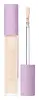 Key Ingredients
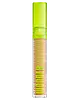
Benefits
Concerns
Ingredients Side-by-side
Water
Skin ConditioningHydrogenated Polyisobutene
EmollientIsononyl Isononanoate
EmollientPropanediol
Solvent

Glycerin
Humectant
Polyglyceryl-3 Polyricinoleate
Emulsifying

Polyglyceryl-3 Diisostearate
Emulsifying


Disteardimonium Hectorite
StabilisingSorbitan Isostearate
Emulsifying
Magnesium Sulfate
Sodium Dehydroacetate
Preservative
Caprylyl Glycol
Emollient
1,2-Hexanediol
Skin Conditioning
Magnesium Stearate
Cosmetic ColorantTocopheryl Acetate
Antioxidant


Sodium Lauroyl Glutamate
SurfactantLysine
Skin ConditioningMagnesium Chloride
Sodium Hyaluronate
Humectant


Cassia Angustifolia Seed Polysaccharide
Skin ConditioningCentella Asiatica Extract
Cleansing

Lactobacillus Ferment Lysate
Skin Conditioning
Camellia Sinensis Leaf Extract
Antimicrobial

Punica Granatum Bark/Fruit Extract
AntimicrobialLactobacillus Ferment
Skin Conditioning
Caffeine
Skin Conditioning
CI 77002
Cosmetic ColorantCI 77891
Cosmetic ColorantIron Oxides
Water, Hydrogenated Polyisobutene, Isononyl Isononanoate, Propanediol, Glycerin, Polyglyceryl-3 Polyricinoleate, Polyglyceryl-3 Diisostearate, Disteardimonium Hectorite, Sorbitan Isostearate, Magnesium Sulfate, Sodium Dehydroacetate, Caprylyl Glycol, 1,2-Hexanediol, Magnesium Stearate, Tocopheryl Acetate, Sodium Lauroyl Glutamate, Lysine, Magnesium Chloride, Sodium Hyaluronate, Cassia Angustifolia Seed Polysaccharide, Centella Asiatica Extract, Lactobacillus Ferment Lysate, Camellia Sinensis Leaf Extract, Punica Granatum Bark/Fruit Extract, Lactobacillus Ferment, Caffeine, CI 77002, CI 77891, Iron Oxides
CI 77891
Cosmetic ColorantWater
Skin ConditioningUndecane
EmollientGlycerin
Humectant
Dimethicone
Emollient
Polyglyceryl-4 Isostearate
Emulsifying
Synthetic Fluorphlogopite
Butylene Glycol
Humectant
Pentylene Glycol
Skin Conditioning
CI 77492
Cosmetic ColorantTridecane
Perfuming

Cetyl PEG/PPG-10/1 Dimethicone
Emulsifying
Hexyl Laurate
Emollient
Isononyl Isononanoate
EmollientMagnesium Sulfate
Polyhydroxystearic Acid
Emulsifying
Octyldodecanol
Emollient
Disteardimonium Hectorite
StabilisingDisodium Stearoyl Glutamate
CleansingSilica Silylate
Emollient
Cellulose Gum
Emulsion StabilisingEthylhexylglycerin
Skin ConditioningCI 77491
Cosmetic ColorantPhenoxyethanol
Preservative
Trihydroxystearin
Skin Conditioning
Aluminum Hydroxide
EmollientCI 77499
Cosmetic ColorantAcetylated Glycol Stearate
Emollient
Propylene Glycol
Humectant
Paullinia Cupana Seed Extract
Skin ConditioningTocopherol
Antioxidant
Carbomer
Emulsion StabilisingSodium Lactate
Buffering
Polysorbate 20
Emulsifying
Pentaerythrityl Tetra-Di-T-Butyl Hydroxyhydrocinnamate
Antioxidant
Palmitoyl Tripeptide-1
Skin Conditioning
Palmitoyl Tetrapeptide-7
Skin Conditioning
CI 77891, Water, Undecane, Glycerin, Dimethicone, Polyglyceryl-4 Isostearate, Synthetic Fluorphlogopite, Butylene Glycol, Pentylene Glycol, CI 77492, Tridecane, Cetyl PEG/PPG-10/1 Dimethicone, Hexyl Laurate, Isononyl Isononanoate, Magnesium Sulfate, Polyhydroxystearic Acid, Octyldodecanol, Disteardimonium Hectorite, Disodium Stearoyl Glutamate, Silica Silylate, Cellulose Gum, Ethylhexylglycerin, CI 77491, Phenoxyethanol, Trihydroxystearin, Aluminum Hydroxide, CI 77499, Acetylated Glycol Stearate, Propylene Glycol, Paullinia Cupana Seed Extract, Tocopherol, Carbomer, Sodium Lactate, Polysorbate 20, Pentaerythrityl Tetra-Di-T-Butyl Hydroxyhydrocinnamate, Palmitoyl Tripeptide-1, Palmitoyl Tetrapeptide-7
Reviews
Ingredients Explained
These ingredients are found in both products.
Ingredients higher up in an ingredient list are typically present in a larger amount.
Ci 77891 is a white pigment from Titanium dioxide. It is naturally found in minerals such as rutile and ilmenite.
It's main function is to add a white color to cosmetics. It can also be mixed with other colors to create different shades.
Ci 77891 is commonly found in sunscreens due to its ability to block UV rays.
Learn more about CI 77891Disteardimonium Hectorite comes from the clay mineral named hectorite. It is used to add thickness to a product.
It can also help stabilize a product by helping to disperse other ingredients.
Hectorite is a rare, white clay mineral.
Learn more about Disteardimonium HectoriteGlycerin (or glycerol) is a compound naturally found in your skin. It's a powerhouse humectant that pulls water into the stratum corneum.
Topically, glycerin does several things at once:
Your skin makes glycerin on its own (mostly from sebaceous oil breakdown) and shuttles it to your outermost layer of skin, or your epidermis, via aquaporin-3.
Aquaporin-3 is a transporter that is essential for normal skin hydration, elasticity, and repair. Interestingly, mice lacking in AQP3 have dry and less elastic skin that can be fully corrected with glycerin.
This ingredient is non-irritating, plays well with almost every ingredient, and works across all skin types. Typical use is anywhere between 3-10% but can go up to 79% in some leave-on products.
Just know very high concentrations (>40%) can feel tacky in low humidity.
Glycerin is the name for this ingredient in American English. British English uses Glycerol/Glycerine.
Learn more about GlycerinIsononyl Isononanoate is a synthetic skin-conditioner and texture enhancer. It is created from nonanoic acid, a fatty acid found in cocoa and lavender oil.
As an emollient, Isononyl Isononanoate helps keep your skin soft and smooth. This is because emollients create a barrier on the skin to trap moisture in.
Isononyl Isononanoate helps give products a velvet feel and improves spreadability.
Learn more about Isononyl IsononanoateMagnesium Sulfate is a salt. More specifically, it is an epsom salt, or the bath salt used to help relieve muscle aches.
Despite having ‘sulfate’ in the name, it isn’t a surfactant or cleansing agent like sodium lauryl sulfate. Unlike those sulfates, magnesium sulfate doesn’t have the same cleansing or foaming properties (it's simply a type of salt).
In cosmetics, Magnesium Sulfate is used to thicken a product or help dilute other solids. It is a non-reactive and non-irritating ingredient.
One study shows magnesium deficiency may lead to inflammation of the skin. Applying magnesium topically may help reduce inflammation.
You can find this ingredient in sea water or mineral deposits.
Learn more about Magnesium SulfateWater. It's the most common cosmetic ingredient of all. You'll usually see it at the top of ingredient lists, meaning that it makes up the largest part of the product.
So why is it so popular? Water most often acts as a solvent - this means that it helps dissolve other ingredients into the formulation.
You'll also recognize water as that liquid we all need to stay alive. If you see this, drink a glass of water. Remember to stay hydrated!
Learn more about Water

