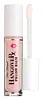
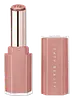
Too Faced Hangover Pillow Balm Nourishing Lip Treatment Versus Fenty Beauty Gloss Bomb Stix High-Shine Gloss Stick
This barrier-repair lip moisturizer is formulated around Petrolatum and Sodium Hyaluronate to strengthen the lip barrier and hydrate lips.

What's inside
What's inside
 Key Ingredients
Benefits
Concerns
Ingredients Side-by-side
Petrolatum
Emollient



Hydrogenated Polyisobutene
EmollientOctyldodecanol
Emollient
Bis-Diglyceryl Polyacyladipate-2
Emollient

Ethylene/Propylene/Styrene Copolymer
Polyethylene
Abrasive

Vp/Hexadecene Copolymer
Tocopheryl Acetate
Antioxidant


Sodium Hyaluronate
Humectant



Butyrospermum Parkii Butter
Skin Conditioning
Cocos Nucifera Fruit Juice
Emollient
Cocos Nucifera Liquid Endosperm
Cucumis Sativus Fruit Extract
Emollient
Helianthus Annuus Seedcake
Abrasive
Hordeum Vulgare Extract
EmollientMangifera Indica Seed Butter
Skin Conditioning
Olea Europaea Fruit Oil
Masking
Persea Gratissima Oil
Skin Conditioning
Ricinus Communis Seed Oil
Masking
Yogurt Powder
Lactobacillus Ferment
Skin Conditioning
Glycerin
Humectant
Phytosterols
Skin Conditioning
Menthol
Masking

Polydecene
Skin ConditioningPropylene Glycol Dicaprate
EmollientC12-15 Alkyl Benzoate
AntimicrobialWater
Skin ConditioningSorbitan Oleate
Emulsifying
Meteorite Powder
Skin ConditioningCholesterol
Emollient
Butylene/Ethylene/Styrene Copolymer
Silica
Abrasive

Polyglyceryl-10 Heptahydroxystearate
Skin ConditioningHydrogenated Castor Oil
Emollient
Aroma

Saccharin
MaskingBHT
Antioxidant
Tetrahexyldecyl Ascorbate
Antioxidant

Phenoxyethanol
Preservative
Mica
Cosmetic ColorantCI 77891
Cosmetic ColorantCI 77491
Cosmetic ColorantCI 77492
Cosmetic ColorantCI 77499
Cosmetic ColorantCI 77163
Cosmetic Colorant
CI 42090
Cosmetic ColorantCI 77400
Cosmetic ColorantCI 75470
Cosmetic ColorantCI 15850
Cosmetic ColorantCI 45380
Cosmetic ColorantCI 45410
Cosmetic ColorantCI 73360
Cosmetic ColorantCI 17200
Cosmetic ColorantCI 19140
Cosmetic ColorantCI 15985
Cosmetic ColorantPetrolatum, Hydrogenated Polyisobutene, Octyldodecanol, Bis-Diglyceryl Polyacyladipate-2, Ethylene/Propylene/Styrene Copolymer, Polyethylene, Vp/Hexadecene Copolymer, Tocopheryl Acetate, Sodium Hyaluronate, Butyrospermum Parkii Butter, Cocos Nucifera Fruit Juice, Cocos Nucifera Liquid Endosperm, Cucumis Sativus Fruit Extract, Helianthus Annuus Seedcake, Hordeum Vulgare Extract, Mangifera Indica Seed Butter, Olea Europaea Fruit Oil, Persea Gratissima Oil, Ricinus Communis Seed Oil, Yogurt Powder, Lactobacillus Ferment, Glycerin, Phytosterols, Menthol, Polydecene, Propylene Glycol Dicaprate, C12-15 Alkyl Benzoate, Water, Sorbitan Oleate, Meteorite Powder, Cholesterol, Butylene/Ethylene/Styrene Copolymer, Silica, Polyglyceryl-10 Heptahydroxystearate, Hydrogenated Castor Oil, Aroma, Saccharin, BHT, Tetrahexyldecyl Ascorbate, Phenoxyethanol, Mica, CI 77891, CI 77491, CI 77492, CI 77499, CI 77163, CI 42090, CI 77400, CI 75470, CI 15850, CI 45380, CI 45410, CI 73360, CI 17200, CI 19140, CI 15985
Bis-Diglyceryl Polyacyladipate-2
Emollient
Diisostearyl Malate
EmollientHydrogenated Polyisobutene
EmollientSqualane
Emollient
Bis-Behenyl/Isostearyl/Phytosteryl Dimer Dilinoleyl Dimer Dilinoleate
EmollientPolybutene
Cera Alba
Emollient
Synthetic Wax
Abrasive
Butyrospermum Parkii Butter
Skin Conditioning
Polyglyceryl-2 Triisostearate
Emulsifying
Aroma
Parfum
Masking
Caprylyl Glycol
Emollient
Triethoxycaprylylsilane

Aluminum Hydroxide
EmollientPolyhydroxystearic Acid
Emulsifying
Tocopherol
Antioxidant
Helianthus Annuus Seed Oil
Emollient
Actinidia Chinensis Seed Oil
Emollient
Benzyl Benzoate
Antimicrobial
Limonene
Perfuming
CI 77891
Cosmetic ColorantCI 77491
Cosmetic ColorantCI 77492
Cosmetic ColorantCI 77499
Cosmetic ColorantCI 15850
Cosmetic ColorantBis-Diglyceryl Polyacyladipate-2, Diisostearyl Malate, Hydrogenated Polyisobutene, Squalane, Bis-Behenyl/Isostearyl/Phytosteryl Dimer Dilinoleyl Dimer Dilinoleate, Polybutene, Cera Alba, Synthetic Wax, Butyrospermum Parkii Butter, Polyglyceryl-2 Triisostearate, Aroma, Parfum, Caprylyl Glycol, Triethoxycaprylylsilane, Aluminum Hydroxide, Polyhydroxystearic Acid, Tocopherol, Helianthus Annuus Seed Oil, Actinidia Chinensis Seed Oil, Benzyl Benzoate, Limonene, CI 77891, CI 77491, CI 77492, CI 77499, CI 15850
Ingredients Explained
These ingredients are found in both products.
Ingredients higher up in an ingredient list are typically present in a larger amount.
Aroma refers to an ingredient, or mixture of ingredients, that impart or mask a flavor.
The name is slightly confusing. This is because INCI associates aroma with flavor instead of smell.
Here is the official definition from the The International Cosmetic Ingredient Dictionary and Handbook:
“Aroma is a term for ingredient labeling used to identify that a product contains a material or combination of materials normally added to a cosmetic to produce or to mask a particular flavor.”
INCI shows the only purpose of aroma to be "flavouring".
However, due to regulation differences, some companies may use aroma in place of parfum.
In Canada, this ingredient only has to be listed in concentrations above 1%.
Learn more about AromaBis-Diglyceryl Polyacyladipate-2 is a synthetic emollient that works as a lanolin substitute.
This ingredient is a great vegan option for those avoiding animal-derived ingredients.
It mostly stays on the surface of skin where it helps hydrate due to its large molecular size and low water solubility.
Due to it being derived from fatty acids, this ingredient may not be Malassezia or fungal acne safe.
Learn more about Bis-Diglyceryl Polyacyladipate-2This ingredient is also known as shea butter. It is a plant-derived extract from the nuts of the Africa shea tree and one of the most well-studied emollients.
Because it has a high concentration of fatty acids (primarily oleic, stearic, and linoleic) it is able to form a protective barrier on the skin's surface. This helps seal in moisture and prevents transepidermal water loss (TEWL).
In vitro research found an increase in skin hydration by 58% and a decrease in TEWL by 37.8% after 24 hours of applying this ingredient (pretty impressive for a single ingredient!).
Besides hydration, shea butter also contains triterpenes that have anti-inflammatory potential. In particule, lupeol cinnamate has shown the highest anti-inflammatory activity in vivo.
Shea butter also contains vitamins A and E which may contribute to antioxidant activity.
While Shea Butter has an SPF rating of about 3-4, it is not a sunscreen replacement.
This ingredient may not be fungal acne safe because its fatty acids fall within the C11-C24 range that the Malassezia yeast can metabolize.
This ingredient shows up on a lot of "pore-clogging" lists but there's no real evidence behind that. It doesn't even have a comedogenic rating from an actual study; the numbers you'll find online come from blogs citing other blogs.
Ratings for other ingredients mostly come from a 1980s rabbit ear test. This test doesn't translate well to human skin or to real products because the ingredient sits at a much lower percentage.
Some people still find it breaks them out. So if that's you, definitely trust your skin. Just know this one's based on experience and not evidence.
Learn more about Butyrospermum Parkii ButterCi 15850 is the pigment color red. It is an azo dye and created synthetically.
Azo dyes need to be thoroughly purified before use. This allows them to be more stable and longer-lasting.
This ingredient is common in foundations, lipsticks, and blushes. This color is described as brown/orangey red.
It has many secondary names such as Red 6 and Red 7. According to a manufacturer, Red 6 usually contains aluminum.
Learn more about CI 15850Ci 77491 is also hydrated iron III oxide. It's sole purpose is to give a red/pink hue to products.
Iron III oxides are classified as inorganic chemicals for coloring.
Synthetically created Ci 77491 is considered safer than those naturally found. This is because the synthetically created version may contain less impurities. Iron oxides are generally non-toxic and non-allergenic.
Learn more about CI 77491CI 77492 is also hydrated iron III oxide. It's sole purpose is to give a yellow hue to products.
Iron III oxides are classified as inorganic chemicals for coloring.
Synthetically created CI 77492 is considered safer than those naturally found. This is because the synthetically created version may contain less impurities. Iron oxides are generally non-toxic and non-allergenic.
Learn more about CI 77492Ci 77499 is also hydrated iron III oxide. It is created from mixing red and black iron oxides. This helps give shades of darkness to a product.
Iron III oxides are classified as inorganic chemicals for coloring.
Ci 77891 is a white pigment from Titanium dioxide. It is naturally found in minerals such as rutile and ilmenite.
It's main function is to add a white color to cosmetics. It can also be mixed with other colors to create different shades.
Ci 77891 is commonly found in sunscreens due to its ability to block UV rays.
Learn more about CI 77891Hydrogenated Polyisobutene is a synthetic polymer. Polymers are compounds with high molecular weight. Hydrogenated Polyisobutene is an emollient and texture enhancer.
In one study, Hydrogenated Polyisobutene showed better skin hydration levels than Caprylic/Capric Triglyceride. As an emollient, it helps keep your skin soft and hydrated by trapping moisture in.
Hydrogenated Polyisobutene is often used as a mineral oil replacement.
Learn more about Hydrogenated Polyisobutene

