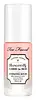
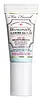
Too Faced Hangover Good in Bed Hydrating Serum Ultra-Replenishing Hydrating Serum Versus Too Faced Hangover Good to Go Moisturizer SPF 25
This hydrating serum is formulated around Lactobacillus Ferment and Sodium Hyaluronate to hydrate skin and strengthen the skin barrier.
This calming day moisturizer is formulated around Sodium Hyaluronate and Aloe Barbadensis Leaf Extract to calm redness and hydrate skin.

What's inside
What's inside
 Key Ingredients
Benefits
Concerns
Ingredients Side-by-side
Water
Skin ConditioningButylene Glycol
Humectant

PEG/PPG/Polybutylene Glycol-8/5/3 Glycerin
HumectantLactobacillus Ferment
Skin Conditioning
Yogurt Powder
Sodium Hyaluronate
Humectant

Hydrolyzed Sodium Hyaluronate
Skin Conditioning

Algae Extract
Emollient

Hylocereus Undatus Fruit Extract
Skin ConditioningCocos Nucifera Liquid Endosperm

Cocos Nucifera Fruit Juice
Emollient
Acetyl Hexapeptide-8
Humectant
Panthenol
Skin Conditioning
Glycerin
Humectant
Caffeine
Skin Conditioning
Dipeptide Diaminobutyroyl Benzylamide Diacetate
Skin Conditioning
Ammonium Acryloyldimethyltaurate/Vp Copolymer
Caprylyl Glycol
Emollient
PEG-40 Hydrogenated Castor Oil
Emulsifying


Parfum
Masking


Phenoxyethanol
Preservative
Potassium Sorbate
Preservative
Sodium Metabisulfite
Antioxidant
Mica
Cosmetic ColorantCI 77891
Cosmetic ColorantWater, Butylene Glycol, PEG/PPG/Polybutylene Glycol-8/5/3 Glycerin, Lactobacillus Ferment, Yogurt Powder, Sodium Hyaluronate, Hydrolyzed Sodium Hyaluronate, Algae Extract, Hylocereus Undatus Fruit Extract, Cocos Nucifera Liquid Endosperm, Cocos Nucifera Fruit Juice, Acetyl Hexapeptide-8, Panthenol, Glycerin, Caffeine, Dipeptide Diaminobutyroyl Benzylamide Diacetate, Ammonium Acryloyldimethyltaurate/Vp Copolymer, Caprylyl Glycol, PEG-40 Hydrogenated Castor Oil, Parfum, Phenoxyethanol, Potassium Sorbate, Sodium Metabisulfite, Mica, CI 77891
Butyl Methoxydibenzoylmethane 3%
UV Absorber
Homosalate 8%
Skin Conditioning
Ethylhexyl Salicylate 5%
UV Absorber
Octocrylene 8%
UV Absorber
Water
Skin ConditioningC12-15 Alkyl Benzoate
AntimicrobialGlycerin
Humectant
Octyldodecyl Neopentanoate
EmollientButylene Glycol
Humectant
Glyceryl Stearate
Emollient
PEG-100 Stearate
Surfactant
Tocopheryl Acetate
Antioxidant

Sodium Hyaluronate
Humectant
Aloe Barbadensis Leaf Extract
Emollient
Cinnamomum Zeylanicum Bark Extract
Antimicrobial
Simmondsia Chinensis Seed Oil
Emollient
Sodium Acetate
BufferingCera Alba
Emollient
Ethylhexylglycerin
Skin ConditioningInulin
Skin Conditioning
Lactobacillus Ferment
Skin Conditioning
Octyldodecanol
Emollient
Sarcosine
Skin Conditioning
Yogurt Powder
Cellulose
Absorbent
Acrylates/C10-30 Alkyl Acrylate Crosspolymer
Emulsion StabilisingCapryloyl Glycine
CleansingSteareth-20
CleansingHydroxyethylcellulose
Emulsion StabilisingHexylene Glycol
EmulsifyingCitric Acid
Buffering
Sodium Hydroxide
BufferingParfum
Masking
Cocos Nucifera Water
Masking
Disodium EDTA
ChelatingTetrahexyldecyl Ascorbate
Antioxidant


Phenoxyethanol
Preservative
Potassium Sorbate
Preservative
Sodium Benzoate
Masking
Butyl Methoxydibenzoylmethane 3%, Homosalate 8%, Ethylhexyl Salicylate 5%, Octocrylene 8%, Water, C12-15 Alkyl Benzoate, Glycerin, Octyldodecyl Neopentanoate, Butylene Glycol, Glyceryl Stearate, PEG-100 Stearate, Tocopheryl Acetate, Sodium Hyaluronate, Aloe Barbadensis Leaf Extract, Cinnamomum Zeylanicum Bark Extract, Simmondsia Chinensis Seed Oil, Sodium Acetate, Cera Alba, Ethylhexylglycerin, Inulin, Lactobacillus Ferment, Octyldodecanol, Sarcosine, Yogurt Powder, Cellulose, Acrylates/C10-30 Alkyl Acrylate Crosspolymer, Capryloyl Glycine, Steareth-20, Hydroxyethylcellulose, Hexylene Glycol, Citric Acid, Sodium Hydroxide, Parfum, Cocos Nucifera Water, Disodium EDTA, Tetrahexyldecyl Ascorbate, Phenoxyethanol, Potassium Sorbate, Sodium Benzoate
Ingredients Explained
These ingredients are found in both products.
Ingredients higher up in an ingredient list are typically present in a larger amount.
Butylene Glycol (or BG) is used within cosmetic products for a few different reasons:
Overall, Butylene Glycol is a safe and well-rounded ingredient that works well with other ingredients.
Though this ingredient works well with most skin types, some people with sensitive skin may experience a reaction such as allergic rashes, closed comedones, or itchiness.
Learn more about Butylene GlycolGlycerin (or glycerol) is a compound naturally found in your skin. It's a powerhouse humectant that pulls water into the stratum corneum.
Topically, glycerin does several things at once:
Your skin makes glycerin on its own (mostly from sebaceous oil breakdown) and shuttles it to your outermost layer of skin, or your epidermis, via aquaporin-3.
Aquaporin-3 is a transporter that is essential for normal skin hydration, elasticity, and repair. Interestingly, mice lacking in AQP3 have dry and less elastic skin that can be fully corrected with glycerin.
This ingredient is non-irritating, plays well with almost every ingredient, and works across all skin types. Typical use is anywhere between 3-10% but can go up to 79% in some leave-on products.
Just know very high concentrations (>40%) can feel tacky in low humidity.
Glycerin is the name for this ingredient in American English. British English uses Glycerol/Glycerine.
Learn more about GlycerinThis ingredient is made when the Lactobacillus bacteria (the same kind that makes yogurt and kimchi) are allowed to ferment a nutrient medium.
As it ferments, it collects lactic acid, peptides, enzymes, and other bioactive metabolites to provide:
A 2023 review noted that probiotic fermentation ingredients like this one can enhance antioxidant capacity, reduce UV-induced oxidative damage, and support barrier function.
One clinical study from the same year showed a Lactobacillus ferment lysate significantly reduced transepidermal water loss and improved skin hydration.
Another review highlighted that topical Lactobacillus-based preparations can improve ceramide levels in the stratum corneum, support barrier integrity, and even help reduce S. aureus colonization in atopic dermatitis.
Why is this so cool?
Basically, your skin's outer layer works as a brick wall; skin cells are bricks and ceramides are the mortar holding it together. Moisture escapes, irritants get in, and your skin gets dry and reactive when ceramide levels drop. On top of that, "bad" skin bacteria S. aureus loves to move in when your barrier is weak to make inflammation and irritation worse.
So Lactobacillus ferment is basically patching the wall and evicting the troublemaker when it boosts ceramide production and help keep S. aureus in check.
On top of all this, it also acts as a mild antimicrobial preservative booster.
Just so you know, most studies focus on specific strains or the lysate form rather than this generic "Lactobacillus Ferment", so results can vary.
Though it's a promising ingredient, it doesn't have decades of robust clinical data behind it just yet.
Lactobacillus Ferment is generally considered safe for fungal-acne prone skin. The key thing to understand is that it comes from bacteria, not yeast or fungus.
Yeast-derived ferments (like galactomyces) have been shown to activate a protein that's linked to Malassezia-related skin issues whereas lactobacillus doesn't have that problem.
Its byproducts also don't contain the types of fatty acids (C11-24 chain lengths) that Malassezia feeds on.
Learn more about Lactobacillus FermentParfum is a catch-all term for an ingredient or more that is used to give a scent to products.
Also called "fragrance", this ingredient can be a blend of hundreds of chemicals or plant oils. This means every product with "fragrance" or "parfum" in the ingredients list is a different mixture.
For instance, Habanolide is a proprietary trade name for a specific aroma chemical. When used as a fragrance ingredient in cosmetics, most aroma chemicals fall under the broad labeling category of “FRAGRANCE” or “PARFUM” according to EU and US regulations.
The term 'parfum' or 'fragrance' is not regulated in many countries. In many cases, it is up to the brand to define this term.
For instance, many brands choose to label themselves as "fragrance-free" because they are not using synthetic fragrances. However, their products may still contain ingredients such as essential oils that are considered a fragrance by INCI standards.
One example is Calendula flower extract. Calendula is an essential oil that still imparts a scent or 'fragrance'.
Depending on the blend, the ingredients in the mixture can cause allergies and sensitivities on the skin. Some ingredients that are known EU allergens include linalool and citronellol.
Parfum can also be used to mask or cover an unpleasant scent.
The bottom line is: not all fragrances/parfum/ingredients are created equally. If you are worried about fragrances, we recommend taking a closer look at an ingredient. And of course, we always recommend speaking with a professional.
Learn more about ParfumPhenoxyethanol is one of the most widely used preservatives in skincare (and for good reason!).
It has a large spectrum of antimicrobial activity and especially effective bacteria, yeast, and mold while only having a weak effect on your skin's natural microbiome.
On a cellular level, it disrupts the cell membranes of microbes by poking holes that make the cell leak. This shuts down the chemical reactions the microbe needs to make energy so it can no longer survive.
Another perk of this ingredient is that it stays functional across a wide pH range (3-10).
You'll often see it paired with boosters like Ethylhexylglycerin; one study showed that a 1:9 ratio of Ethylhexylglycerin to Phenoxyethanol damages bacterial membranes as effectively as doubling the Phenoxyethanol concentration on its own.
Typical use concentrations range from 0.3-1% depending on the formula, and this ingredient is capped at 1% int the EU.
Safety-wise, the fear mongering does not hold up to the evidence. The EU's Scientific Committee on Consumer Safety and FDA consider it safe as a preservative at up to 1%, including for children of all ages.
Adverse systemic effects only showed up in animal studies at exposures roughly 200x higher than what people get from cosmetics. And despite its very widespread use, this ingredient is a rare sensitizer and allergic reactions are uncommon.
Learn more about PhenoxyethanolPotassium Sorbate is a preservative used to prevent yeast and mold in products. It is commonly found in both cosmetic and food products.
This ingredient comes from potassium salt derived from sorbic acid. Sorbic acid is a natural antibiotic and effective against fungus.
Both potassium sorbate and sorbic acid can be found in baked goods, cheeses, dried meats, dried fruit, ice cream, pickles, wine, yogurt, and more.
You'll often find this ingredient used with other preservatives.
Learn more about Potassium SorbateSodium Hyaluronate is the salt form of hyaluronic acid. It is a long sugar chain that is naturally found in your skin, joints, and connective tissue that maintains hydration and elasticity.
In skincare, it works as a humectant. It pulls water from the environment and deeper layers of skin and binds it to the surface.
Interestingly, the size of the molecule affects its behavior:
Some clinical evidence links low molecular weight versions to improved wrinkle depth, elasticity, anti-inflammatory effects, and barrier repair.
Many serums use a blend of both weights so you can get surface hydration plus longer-lasting and deeper effects.
You'll typically see concentrations between 0.1-2% for this ingredient.
Learn more about Sodium HyaluronateWater. It's the most common cosmetic ingredient of all. You'll usually see it at the top of ingredient lists, meaning that it makes up the largest part of the product.
So why is it so popular? Water most often acts as a solvent - this means that it helps dissolve other ingredients into the formulation.
You'll also recognize water as that liquid we all need to stay alive. If you see this, drink a glass of water. Remember to stay hydrated!
Learn more about WaterWe don't have a description for Yogurt Powder yet.


