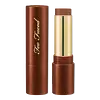
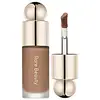
Too Faced Chocolate Soleil Melting Bronzing & Sculpting Stick Versus Rare Beauty Soft Pinch Liquid Contour

What's inside
What's inside
 Key Ingredients
Benefits
Concerns
Ingredients Side-by-side
Water
Skin ConditioningC12-15 Alkyl Benzoate
AntimicrobialPhenyl Trimethicone
Skin Conditioning
Synthetic Wax
Abrasive

Mica
Cosmetic ColorantSilica
Abrasive

Dimethicone
Emollient
Octyldodecanol
Emollient
Hydrogenated Polyisobutene
EmollientSorbitan Olivate
Emulsifying
Boron Nitride
Absorbent
Dipentaerythrityl Hexa C5-9 Acid Esters
Skin ConditioningDiisostearyl Malate
EmollientCaprylyl Glycol
Emollient
Methicone
Emollient
Squalane
Emollient


Theobroma Cacao Fruit Powder
Skin ConditioningButylene Glycol
Humectant
Citrus Aurantium Dulcis Fruit Extract
MaskingPropylene Carbonate
Solvent1,2-Hexanediol
Skin Conditioning
Palmitic Acid
Emollient
Stearic Acid
Cleansing
Oleic Acid
Emollient
Arachidic Acid
Cleansing
Cetyl Alcohol
Emollient
Sodium Chloride
MaskingEthylene/Propylene Copolymer
Abrasive
Triethoxycaprylylsilane
Myristic Acid
Cleansing
Disteardimonium Hectorite
StabilisingParfum
Masking



Limonene
Perfuming

Benzyl Benzoate
Antimicrobial
Tocopheryl Acetate
Antioxidant


CI 77891
Cosmetic ColorantCI 77491
Cosmetic ColorantCI 77492
Cosmetic ColorantCI 77499
Cosmetic ColorantWater, C12-15 Alkyl Benzoate, Phenyl Trimethicone, Synthetic Wax, Mica, Silica, Dimethicone, Octyldodecanol, Hydrogenated Polyisobutene, Sorbitan Olivate, Boron Nitride, Dipentaerythrityl Hexa C5-9 Acid Esters, Diisostearyl Malate, Caprylyl Glycol, Methicone, Squalane, Theobroma Cacao Fruit Powder, Butylene Glycol, Citrus Aurantium Dulcis Fruit Extract, Propylene Carbonate, 1,2-Hexanediol, Palmitic Acid, Stearic Acid, Oleic Acid, Arachidic Acid, Cetyl Alcohol, Sodium Chloride, Ethylene/Propylene Copolymer, Triethoxycaprylylsilane, Myristic Acid, Disteardimonium Hectorite, Parfum, Limonene, Benzyl Benzoate, Tocopheryl Acetate, CI 77891, CI 77491, CI 77492, CI 77499
Hydrogenated Polyisobutene
EmollientHydrogenated Poly(C6-14 Olefin)
EmollientMica
Cosmetic ColorantOctyldodecanol
Emollient
Hydrogenated Styrene/Isoprene Copolymer
Trimethylsiloxysilicate
Emollient
Isododecane
EmollientDisteardimonium Hectorite
StabilisingSorbitan Sesquioleate
Emulsifying
1,2-Hexanediol
Skin Conditioning
Tocopherol
Antioxidant

Propylene Carbonate
SolventTriethoxycaprylylsilane
Helianthus Annuus Seed Oil
Emollient
Aluminum Hydroxide
EmollientPentaerythrityl Tetra-Di-T-Butyl Hydroxyhydrocinnamate
Antioxidant
Gardenia Florida Fruit Extract
Skin ConditioningNelumbo Nucifera Flower Extract
Skin ConditioningNymphaea Odorata Root Extract
RefreshingCI 77499
Cosmetic ColorantCI 77492
Cosmetic ColorantCI 77491
Cosmetic ColorantCI 77891
Cosmetic ColorantHydrogenated Polyisobutene, Hydrogenated Poly(C6-14 Olefin), Mica, Octyldodecanol, Hydrogenated Styrene/Isoprene Copolymer, Trimethylsiloxysilicate, Isododecane, Disteardimonium Hectorite, Sorbitan Sesquioleate, 1,2-Hexanediol, Tocopherol, Propylene Carbonate, Triethoxycaprylylsilane, Helianthus Annuus Seed Oil, Aluminum Hydroxide, Pentaerythrityl Tetra-Di-T-Butyl Hydroxyhydrocinnamate, Gardenia Florida Fruit Extract, Nelumbo Nucifera Flower Extract, Nymphaea Odorata Root Extract, CI 77499, CI 77492, CI 77491, CI 77891
Reviews
Ingredients Explained
These ingredients are found in both products.
Ingredients higher up in an ingredient list are typically present in a larger amount.
1,2-Hexanediol is a synthetic liquid and another multi-functional powerhouse.
It is a:
- Humectant, drawing moisture into the skin
- Emollient, helping to soften skin
- Solvent, dispersing and stabilizing formulas
- Preservative booster, enhancing the antimicrobial activity of other preservatives
Ci 77491 is also hydrated iron III oxide. It's sole purpose is to give a red/pink hue to products.
Iron III oxides are classified as inorganic chemicals for coloring.
Synthetically created Ci 77491 is considered safer than those naturally found. This is because the synthetically created version may contain less impurities. Iron oxides are generally non-toxic and non-allergenic.
Learn more about CI 77491CI 77492 is also hydrated iron III oxide. It's sole purpose is to give a yellow hue to products.
Iron III oxides are classified as inorganic chemicals for coloring.
Synthetically created CI 77492 is considered safer than those naturally found. This is because the synthetically created version may contain less impurities. Iron oxides are generally non-toxic and non-allergenic.
Learn more about CI 77492Ci 77499 is also hydrated iron III oxide. It is created from mixing red and black iron oxides. This helps give shades of darkness to a product.
Iron III oxides are classified as inorganic chemicals for coloring.
Ci 77891 is a white pigment from Titanium dioxide. It is naturally found in minerals such as rutile and ilmenite.
It's main function is to add a white color to cosmetics. It can also be mixed with other colors to create different shades.
Ci 77891 is commonly found in sunscreens due to its ability to block UV rays.
Learn more about CI 77891Disteardimonium Hectorite comes from the clay mineral named hectorite. It is used to add thickness to a product.
It can also help stabilize a product by helping to disperse other ingredients.
Hectorite is a rare, white clay mineral.
Learn more about Disteardimonium HectoriteHydrogenated Polyisobutene is a synthetic polymer. Polymers are compounds with high molecular weight. Hydrogenated Polyisobutene is an emollient and texture enhancer.
In one study, Hydrogenated Polyisobutene showed better skin hydration levels than Caprylic/Capric Triglyceride. As an emollient, it helps keep your skin soft and hydrated by trapping moisture in.
Hydrogenated Polyisobutene is often used as a mineral oil replacement.
Learn more about Hydrogenated PolyisobuteneMica is a naturally occurring mineral used to add shimmer and color in cosmetics. It can also help improve the texture of a product or give it an opaque, white/silver color.
Serecite is the name for very fine but ragged grains of mica.
This ingredient is often coated with metal oxides like titanium dioxide. Trace amounts of heavy metals may be found in mica, but these metals are not harmful in our personal products.
Mica has been used since prehistoric times throughout the world. Ancient Egyptian, Indian, Greek, Roman, Aztec, and Chinese civilizations have used mica.
Learn more about MicaOctyldodecanol is a fatty alcohol sourced from plant oils like coconut or palm (or made synthetically).
It is:
You'll likely see this in many BHA products because this is the go-to solvent for salicylic acid.
This ingredient is typically used at levels between 2-20%.
Regarding fungal acne:
In 2019, this ingredient was tested against multiple Malassezia species (the yeast that causes fungal acne) and showed no growth.
This ingredient is a solvent. It helps dissolve active ingredients and alter the texture of products.
Propylene Carbonate is commonly used in makeup and with clay, such as montmorillonite or bentonite.
Studies show this ingredient to be safe for cosmetics. When it is undiluted, it can cause skin irritation. (It is always diluted in skincare and makeup). This ingredient is water-soluble.
Propylene Carbonate is created from propylene glycol and carbonic acid.
Learn more about Propylene CarbonateTriethoxycaprylylsilane is a silicon-based surface modifier that makes sunscreens feel silky and makeup stay put.
Its main job is to coat mineral particles like titanium dioxide, zinc oxide, and color pigments in a thin, oily layer so they spread smoothly, don't clump, and stick to skin better.
This ingredient is typically used at low levels (up to 2.5% in eyeshadow and 1% in lipstick).
Learn more about Triethoxycaprylylsilane

