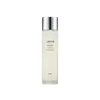
This hydrating toner is formulated around Niacinamide and Oryza Sativa Bran Extract to hydrate skin and strengthen the skin barrier.
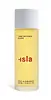
This calming toner is formulated around Aloe Barbadensis Leaf Juice and Calendula Officinalis Flower Extract to calm redness and hydrate skin.


What's inside
What's inside
 Key Ingredients
Benefits
Concerns
Ingredients Side-by-side
Water
Skin ConditioningGlycerin
Humectant


Butylene Glycol
Humectant
Niacinamide
Smoothing









Anthemis Nobilis Flower Extract
Masking
Styrene/Vp Copolymer
1,2-Hexanediol
Skin Conditioning
Caprylyl Glycol
Emollient
Oryza Sativa Bran Extract
Skin Conditioning
Glycyrrhiza Glabra Root Extract
Bleaching
Camellia Sinensis Leaf Extract
Antimicrobial
Rosmarinus Officinalis Leaf Extract
AntimicrobialCentella Asiatica Extract
Cleansing
Chamomilla Recutita Flower Extract
Masking
Hamamelis Virginiana Extract
Antiseborrhoeic



Polygonum Cuspidatum Root Extract
Antioxidant
Scutellaria Baicalensis Root Extract
Astringent
Betaine
Humectant
Panthenol
Skin Conditioning
Allantoin
Skin Conditioning
Sodium PCA
Humectant
Adenosine
Skin Conditioning
Disodium EDTA
ChelatingSodium Hyaluronate
Humectant
Carbomer
Emulsion StabilisingArginine
Masking
Illicium Verum Fruit Extract
Perfuming
Alchemilla Vulgaris Extract
AstringentAmaranthus Caudatus Extract
Skin ConditioningOlea Europaea Leaf Extract
Perfuming
Veronica Officinalis Extract
Skin ConditioningMentha Piperita Leaf Extract
Skin ConditioningUlmus Davidiana Root Extract
Skin Conditioning
Cynara Scolymus Leaf Extract
Skin ConditioningAvena Sativa Kernel Extract
Abrasive
Sambucus Nigra Flower Extract
RefreshingBeta-Glucan
Skin Conditioning
Ceramide NP
Skin Conditioning
Chamaecyparis Obtusa Leaf Extract
Skin ConditioningLaminaria Japonica Extract
Skin Protecting
Copper Tripeptide-1
Skin Conditioning
Acetyl Hexapeptide-8
Humectant
Water, Glycerin, Butylene Glycol, Niacinamide, Anthemis Nobilis Flower Extract, Styrene/Vp Copolymer, 1,2-Hexanediol, Caprylyl Glycol, Oryza Sativa Bran Extract, Glycyrrhiza Glabra Root Extract, Camellia Sinensis Leaf Extract, Rosmarinus Officinalis Leaf Extract, Centella Asiatica Extract, Chamomilla Recutita Flower Extract, Hamamelis Virginiana Extract, Polygonum Cuspidatum Root Extract, Scutellaria Baicalensis Root Extract, Betaine, Panthenol, Allantoin, Sodium PCA, Adenosine, Disodium EDTA, Sodium Hyaluronate, Carbomer, Arginine, Illicium Verum Fruit Extract, Alchemilla Vulgaris Extract, Amaranthus Caudatus Extract, Olea Europaea Leaf Extract, Veronica Officinalis Extract, Mentha Piperita Leaf Extract, Ulmus Davidiana Root Extract, Cynara Scolymus Leaf Extract, Avena Sativa Kernel Extract, Sambucus Nigra Flower Extract, Beta-Glucan, Ceramide NP, Chamaecyparis Obtusa Leaf Extract, Laminaria Japonica Extract, Copper Tripeptide-1, Acetyl Hexapeptide-8
Aloe Barbadensis Leaf Juice
Skin Conditioning
Calendula Officinalis Flower Extract
Masking
Glycerin
Humectant
Syzygium Luehmannii Fruit Extract
Antioxidant
Kunzea Pomifera Fruit Extract
Skin ConditioningDecyl Glucoside
Cleansing
Hamamelis Virginiana Extract
Antiseborrhoeic
Lonicera Japonica Flower Extract
Skin ConditioningLonicera Caprifolium Flower Extract
Perfuming
Citrus Paradisi Peel Oil
Masking

Pelargonium Graveolens Flower Oil
Masking
Citrus Aurantifolia Oil
Cleansing
Rosmarinus Officinalis Leaf Oil
Masking
Mentha Viridis Leaf Oil
Astringent
Punica Granatum Fruit Extract
Antioxidant
Chamomilla Recutita Flower Extract
Masking
Rosmarinus Officinalis Leaf Extract
AntimicrobialQuercus Alba Bark Extract
AstringentTocopherol
Antioxidant
Rosa Canina Fruit Oil
Emollient
Camellia Oleifera Seed Oil
Skin Conditioning
Aloe Barbadensis Leaf Juice, Calendula Officinalis Flower Extract, Glycerin, Syzygium Luehmannii Fruit Extract, Kunzea Pomifera Fruit Extract, Decyl Glucoside, Hamamelis Virginiana Extract, Lonicera Japonica Flower Extract, Lonicera Caprifolium Flower Extract, Citrus Paradisi Peel Oil, Pelargonium Graveolens Flower Oil, Citrus Aurantifolia Oil, Rosmarinus Officinalis Leaf Oil, Mentha Viridis Leaf Oil, Punica Granatum Fruit Extract, Chamomilla Recutita Flower Extract, Rosmarinus Officinalis Leaf Extract, Quercus Alba Bark Extract, Tocopherol, Rosa Canina Fruit Oil, Camellia Oleifera Seed Oil
Reviews
Alternatives
Ingredients Explained
These ingredients are found in both products.
Ingredients higher up in an ingredient list are typically present in a larger amount.
Chamomilla Recutita Flower Extract comes from the Chamomile flower.
Chamomile is rich in antioxidants and has anti-inflammatory properties. Several compounds found in chamomile help with soothing, such as bisbolol.
Antioxidant components in chamomile make it an effective ingredient to help slow the signs of aging. Antioxidants help fight free-radical molecules, or molecules that may damage your skin.
Essential oils from chamomile have been found to improve wound healing due to its antimicrobial properties.
Ancient Greeks and Egyptians used Chamomile to treat skin redness and dryness. Chamomile has also been used to help treat stomach issues.
Learn more about Chamomilla Recutita Flower ExtractGlycerin (or glycerol) is a compound naturally found in your skin. It's a powerhouse humectant that pulls water into the stratum corneum.
Topically, glycerin does several things at once:
Your skin makes glycerin on its own (mostly from sebaceous oil breakdown) and shuttles it to your outermost layer of skin, or your epidermis, via aquaporin-3.
Aquaporin-3 is a transporter that is essential for normal skin hydration, elasticity, and repair. Interestingly, mice lacking in AQP3 have dry and less elastic skin that can be fully corrected with glycerin.
This ingredient is non-irritating, plays well with almost every ingredient, and works across all skin types. Typical use is anywhere between 3-10% but can go up to 79% in some leave-on products.
Just know very high concentrations (>40%) can feel tacky in low humidity.
Glycerin is the name for this ingredient in American English. British English uses Glycerol/Glycerine.
Learn more about GlycerinHamamelis Virginiana Extract comes from the witch hazel plant.
Unless it is specified to be non-alcohol, many types of witch hazel ingredients are distilled in denatured alcohol.
Witch Hazel has astringent, anti-inflammatory, antioxidant, and antibacterial properties.
The tannin content of witch hazel constrict the appearance of pores by drying out proteins. Witch hazel water gets anti-inflammatory and antibacterial properties from its catechin and gallic acid content.
However, witch hazel may be skin-sensitizing due to the tannin and fragrance compounds.
North American Indigenous groups have used witch hazel to help treat inflammation for centuries.
Learn more about Hamamelis Virginiana ExtractThis is a botanical extract from the rosemary plant (the same one you cook with). In skincare, it mostly works as a skin conditioning agent.
Its activity comes from a handful of polyphenols, carnosic acid, carnosol, and rosmarinic acid. Almost 90% of the antioxidant activity of this ingredient can be attributed to canosol and carnosic acid.
These compounds protect your skin two ways:
1) They fight off free radicals, or the unstable molecules from things like sun and pollution that age and damage skin.
2) They help calm inflammation by switching off the chemical signals that tell skin to get red and irritated.
Lab studies also suggest that rosmarinic acid may help protect collagen and slow sugar-related damage to it.
The Cosmetic Ingredient Review has concluded rosemary-derived ingredients to be safe when formulated to be non-sensitizing.
Rosemary can occasionally cause allergic contact dermatitis (due to carnosol), so be sure to patch test if you have reactive or fragrance-sensitive skin.
Learn more about Rosmarinus Officinalis Leaf Extract

