

What's inside
What's inside
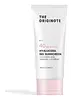 Key Ingredients
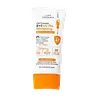
Benefits
Concerns
Ingredients Side-by-side
Water
Skin ConditioningCyclopentasiloxane
Emollient
Phenylbenzimidazole Sulfonic Acid
UV Absorber
Glycerin
Humectant


Centella Asiatica Leaf Water
Skin Conditioning

Dimethicone
Emollient
Tromethamine
BufferingPolyphenylsilsesquioxane
Terephthalylidene Dicamphor Sulfonic Acid
UV Absorber
Vinyldimethicone
Panthenol
Skin Conditioning
PEG/PPG-17/6 Copolymer
SolventDimethicone/Vinyl Dimethicone Crosspolymer
Skin Conditioning
Glyceryl Glucoside
Humectant
Dimethicone/PEG-10/15 Crosspolymer
PEG-10 Dimethicone
Skin Conditioning
Hexylene Glycol
EmulsifyingHydroxyacetophenone
Antioxidant
Dipotassium Glycyrrhizate
Humectant
Butylene Glycol
Humectant
Parfum
Masking



Dipropylene Glycol
HumectantSodium Citrate
Buffering1,2-Hexanediol
Skin Conditioning
Tocopherol
Antioxidant



Hyaluronic Acid
Humectant
Ethylhexylglycerin
Skin ConditioningHydrolyzed Hyaluronic Acid
Humectant
Sodium Hyaluronate
Humectant
Caprylic/Capric Triglyceride
Masking
Hydrogenated Lecithin
Emulsifying
Chlorella Vulgaris Extract
Skin ConditioningCeramide NP
Skin Conditioning
Water, Cyclopentasiloxane, Phenylbenzimidazole Sulfonic Acid, Glycerin, Centella Asiatica Leaf Water, Dimethicone, Tromethamine, Polyphenylsilsesquioxane, Terephthalylidene Dicamphor Sulfonic Acid, Vinyldimethicone, Panthenol, PEG/PPG-17/6 Copolymer, Dimethicone/Vinyl Dimethicone Crosspolymer, Glyceryl Glucoside, Dimethicone/PEG-10/15 Crosspolymer, PEG-10 Dimethicone, Hexylene Glycol, Hydroxyacetophenone, Dipotassium Glycyrrhizate, Butylene Glycol, Parfum, Dipropylene Glycol, Sodium Citrate, 1,2-Hexanediol, Tocopherol, Hyaluronic Acid, Ethylhexylglycerin, Hydrolyzed Hyaluronic Acid, Sodium Hyaluronate, Caprylic/Capric Triglyceride, Hydrogenated Lecithin, Chlorella Vulgaris Extract, Ceramide NP
Water
Skin ConditioningCyclopentasiloxane
Emollient
Zinc Oxide
Cosmetic Colorant

Butyloctyl Salicylate
Skin Conditioning
Dimethicone
Emollient
C12-15 Alkyl Benzoate
AntimicrobialGlycerin
Humectant
Titanium Dioxide
Cosmetic Colorant
Cetyl PEG/PPG-10/1 Dimethicone
Emulsifying
PEG-10 Dimethicone
Skin Conditioning
Dipropylene Glycol
HumectantNiacinamide
Smoothing



Polymethyl Methacrylate
Cyclomethicone
Emollient
Hydrogenated Polydecene
EmollientSilica
Abrasive
Hydrogen Dimethicone
Sodium Chloride
MaskingAluminum Hydroxide
EmollientPolyhydroxystearic Acid
Emulsifying
Stearic Acid
Cleansing
Sorbitan Olivate
Emulsifying
Disteardimonium Hectorite
StabilisingDimethicone/Vinyl Dimethicone Crosspolymer
Skin Conditioning
Sorbitan Sesquioleate
Emulsifying
Polyepsilon-Lysine
Skin ConditioningAdenosine
Skin Conditioning
Polysilicone-11
Bisabolol
Antioxidant
Quartz
Abrasive
Camellia Japonica Seed Oil
Emollient
Butylene Glycol
Humectant
Centella Asiatica Extract
Cleansing
1,2-Hexanediol
Skin Conditioning
Asiaticoside
Antioxidant
Asiatic Acid
Skin Conditioning
Madecassic Acid
Skin Conditioning
Madecassoside
Antioxidant
Water, Cyclopentasiloxane, Zinc Oxide, Butyloctyl Salicylate, Dimethicone, C12-15 Alkyl Benzoate, Glycerin, Titanium Dioxide, Cetyl PEG/PPG-10/1 Dimethicone, PEG-10 Dimethicone, Dipropylene Glycol, Niacinamide, Polymethyl Methacrylate, Cyclomethicone, Hydrogenated Polydecene, Silica, Hydrogen Dimethicone, Sodium Chloride, Aluminum Hydroxide, Polyhydroxystearic Acid, Stearic Acid, Sorbitan Olivate, Disteardimonium Hectorite, Dimethicone/Vinyl Dimethicone Crosspolymer, Sorbitan Sesquioleate, Polyepsilon-Lysine, Adenosine, Polysilicone-11, Bisabolol, Quartz, Camellia Japonica Seed Oil, Butylene Glycol, Centella Asiatica Extract, 1,2-Hexanediol, Asiaticoside, Asiatic Acid, Madecassic Acid, Madecassoside
Reviews
Ingredients Explained
These ingredients are found in both products.
Ingredients higher up in an ingredient list are typically present in a larger amount.
1,2-Hexanediol is a synthetic liquid and another multi-functional powerhouse.
It is a:
- Humectant, drawing moisture into the skin
- Emollient, helping to soften skin
- Solvent, dispersing and stabilizing formulas
- Preservative booster, enhancing the antimicrobial activity of other preservatives
Butylene Glycol (or BG) is used within cosmetic products for a few different reasons:
Overall, Butylene Glycol is a safe and well-rounded ingredient that works well with other ingredients.
Though this ingredient works well with most skin types, some people with sensitive skin may experience a reaction such as allergic rashes, closed comedones, or itchiness.
Learn more about Butylene GlycolCyclopentasiloxane, or D5, is a silicone used to improve texture of products and trap moisture.
D5 is considered lightweight and volatile. Volatile means it evaporates quickly after application. Once evaporated, D5 leaves a thin barrier that helps keep skin hydrated.
It is also an emollient. Emollients help soften the skin and prevent water loss. Silicones create a silky texture in products. D5 helps other ingredients become more spreadable.
Studies show D5 is safe to use in skincare products. We recommend speaking with a skincare professional if you have concerns.
Learn more about CyclopentasiloxaneDimethicone is a type of synthetic silicone created from natural materials such as quartz. It is also known as polydimethylsiloxane.
What it does:
Dimethicone comes in different viscosities:
Depending on the viscosity, dimethicone has different properties.
Ingredients lists don't always show which type is used, so we recommend reaching out to the brand if you have questions about the viscosity.
This ingredient is unlikely to cause irritation because it does not get absorbed into skin. However, people with silicone allergies should be careful about using this ingredient.
Note: Dimethicone may contribute to pilling. This is because it is not oil or water soluble, so pilling may occur when layered with products. When mixed with heavy oils in a formula, the outcome is also quite greasy.
Learn more about DimethiconeThis ingredient is a silicone elastomer that works as a texture enhancer, adds a silky slip, and also helps absorb excess oil.
Because it's a large macromolecule that's insoluble in water and chemically inert, it's not expected to penetrate or be absorbed into skin.
Human patch tests with a facial lotion containing 1% of this ingredient found no sensitization.
Learn more about Dimethicone/Vinyl Dimethicone CrosspolymerDipropylene Glycol is a synthetically created humectant, stabilizer, and solvent.
This ingredient helps:
Dipropylene glycol is technically an alcohol, but it belongs to the glycol family (often considered part of the ‘good’ alcohols). This means it is hydrating and gentle on skin unlike drying solvent alcohols like denatured alcohol.
As a masking agent, Dipropylene Glycol can be used to cover the smell of other ingredients. However, it does not have a scent.
Studies show Dipropylene Glycol is considered safe to use in skincare.
Learn more about Dipropylene GlycolGlycerin (or glycerol) is a compound naturally found in your skin. It's a powerhouse humectant that pulls water into the stratum corneum.
Topically, glycerin does several things at once:
Your skin makes glycerin on its own (mostly from sebaceous oil breakdown) and shuttles it to your outermost layer of skin, or your epidermis, via aquaporin-3.
Aquaporin-3 is a transporter that is essential for normal skin hydration, elasticity, and repair. Interestingly, mice lacking in AQP3 have dry and less elastic skin that can be fully corrected with glycerin.
This ingredient is non-irritating, plays well with almost every ingredient, and works across all skin types. Typical use is anywhere between 3-10% but can go up to 79% in some leave-on products.
Just know very high concentrations (>40%) can feel tacky in low humidity.
Glycerin is the name for this ingredient in American English. British English uses Glycerol/Glycerine.
Learn more about GlycerinPeg-10 Dimethicone is silicone with conditioner and emulsifier properties. It mostly acts as an emollient in skincare and and humectant in haircare.
According to the manufacturer, acidic formulations decrease the stability of this ingredient. It works best in neutral or near neutral formulations.
Water. It's the most common cosmetic ingredient of all. You'll usually see it at the top of ingredient lists, meaning that it makes up the largest part of the product.
So why is it so popular? Water most often acts as a solvent - this means that it helps dissolve other ingredients into the formulation.
You'll also recognize water as that liquid we all need to stay alive. If you see this, drink a glass of water. Remember to stay hydrated!
Learn more about Water
